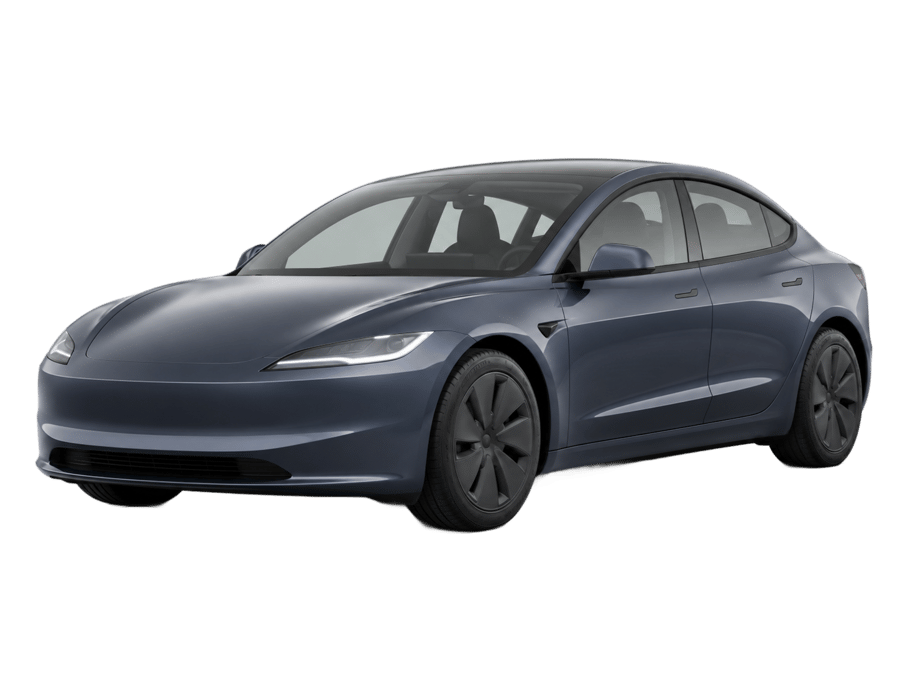
Complaint volume
748 consumer-submitted complaints are matched to this model year. Treat the count as a research signal, then read the actual summaries for repeated symptoms.
Complaint records
748 consumer-submitted complaints on record for the 2022 Tesla Model 3, grouped by component category.
Buyer interpretation
Complaint records are most useful when they turn into inspection points, seller questions, and comparison checks against nearby model years.
748 consumer-submitted complaints are matched to this model year. Treat the count as a research signal, then read the actual summaries for repeated symptoms.
The most common categories are forward collision avoidance, forward collision avoidance: adaptive cruise control, vehicle speed control. Use those categories as a test-drive checklist instead of judging the vehicle from the total count alone.
Enriched records include 52 crash reports, 3 fire reports, 27 injury reports, and 1 fatality report. These fields come from complaint records and should be read in context.
Mileage is available on 56 complaints, with an average reported failure mileage of 14,263 miles. Compare that with the mileage on the listing.
Build a buyer checklist to turn these issues into questions and inspection points.
748 total complaints on record
| Date | Component | Summary | Severity | Mileage |
|---|---|---|---|---|
| Nov 2025 | ELECTRICAL SYSTEM,VISIBILITY/WIPER,FORWARD COLLISION AVOIDANCE | All safety and driver-assistance systems on my 2022 Tesla Model 3 failed due to an internal short in the vehicle’s computer, as confirmed in writing by Tesla’s technician. All cameras (rear, side, front) are non-functional, navigation does not work, and all ADAS features (Autopilot, lane-keeping, collision warning, blind-spot monitoring, emergency braking, etc.) are disabled. The vehicle has no visibility when reversing and no active safety protections while driving. Tesla documented the cause as an internal computer failure, not related to damage or misuse. This creates a dangerous condition on public roads since the car loses all safety systems. Tesla quoted ~$2,900 for a new computer even though the failure involves critical safety components. This may indicate a broader safety defect. | Crash: No Fire: No | Unknown |
| Nov 2025 | STEERING | During a head-on collision on [XXX] in Georgia, the electrical system in my 2022 Tesla Model 3 lost power and the electric door releases stopped functioning. The vehicle interior caught fire and I was trapped inside. I was unaware of the location of the hidden mechanical emergency door release because it is not visibly labeled, not explained upon delivery, and not intuitive in an emergency. I was forced to climb to the back seat and break the rear passenger window with my legs to escape while the interior was burning. I suffered a broken hip, broken arm, and later required a full hip replacement. The mechanical emergency door release was concealed and unlabeled, resulting in entrapment during a fire, which is a violation of FMVSS 206 and presents a continuing and life-threatening safety hazard to all drivers and passengers. Tesla has not provided warnings, recall guidance, labeling, or owner education regarding how to exit the vehicle during a power-loss emergency. This defect can result in deaths. I am requesting a formal investigation. DP25002 INFORMATION REDACTED PURSUANT TO THE FREEDOM OF INFORMATION ACT (FOIA), 5 U.S.C. 552(B)(6) | Crash: Yes Fire: Yes Injuries: 1 Towed Medical attention | Unknown |
| Nov 2025 | VISIBILITY/WIPER | Shortly after purchasing my 2022 Tesla Model 3 RWD in February 2025, I began noticing a persistent musty, mold-like odor coming from the HVAC vents whenever the air conditioning or defrost was on. The odor worsens when driving with the windows down. I reported this issue to Tesla multiple times between May and October 2025. Tesla replaced the cabin filters but refused to perform a full evaporator or HVAC disinfection, stating the odor was “normal.” Despite the filter changes, the smell always returns within a few weeks. Between these visits, I also tried to resolve the issue myself by replacing filters, using odor-eliminating products, and placing moisture absorbers inside the vehicle, but nothing has resolved the problem. This ongoing issue has led to repeated respiratory and eye irritation, including a documented pneumonia case in April 2025. The symptoms clearly worsen after time spent in the car. Tesla has not offered any permanent fix, warranty repair, or replacement. The problem appears to stem from mold or microbial buildup within the HVAC evaporator and duct system, which could affect air quality and occupant health. This raises safety concerns regarding possible HVAC design flaws or moisture retention issues that may affect other Tesla vehicles. The issue is ongoing as of November 2025 and has been reported to the Florida Department of Agriculture and Consumer Services (FDACS Case #2511-00831) for further review. | Crash: No Fire: No | Unknown |
| Oct 2025 | UNKNOWN OR OTHER | I own a Tesla 2022 Model 3 Long Range purchased in 2022 New and have been experiencing persistent issues with the HVAC units causing a persistent and prevalent smell of mold/must/vinegar that is causing myself and my passengers headaches and allergies. Tesla has failed to permanently repair and this is a widespread design issue with Tesla vehicles documented thoroughly online including Tesla’s own website, where condensation in the evaporator housing leads to mold and bacteria growth and odor in the cabin as a result. Despite multiple service appointments, Tesla has only provided temporary assistance by installing new filters and has recently offering to use a foam spray to clean the inside. I’ve already used over 15 filters in 3 years and have used numerous canisters of the foam cleaning spray and the problems have not subsided. They’ve refused to cover this under warranty even though this defect was reported initially in 2022 and the vehicle is still under warranty. The odor recurs every few weeks and presents air quality and health concerns as evidenced in our increased allergies and need to seek medical attention as a result and headaches from the mold build up. I’ve filed related complaints with the California BAR and Attorney General who have advised I file this report with your agency and as a result I am now following their instructions. | Crash: No Fire: No | Unknown |
| Oct 2025 | SEAT BELTS | * Front passenger safety restraint system issue - sensors under passenger seat intermittently failing for months even after taking it in for service. * Safety of passenger is at risk as airbags might not fire due to occupant classification system failing. * Service center said nothing looks wrong even though car alerts multiple times per drive. Many reports online of Alert RCM2_a636 . * has been inspected by service center * alert from car beeps every 30 seconds to 1 minute intermittently, has been occurring for months | Crash: No Fire: No | Unknown |
| Oct 2025 | LANE DEPARTURE: WARNING | teslas have blind spot monitor cameras that activate when the turn signal is activated as a turn left or right. there seems to be a noticeable delay on older cars with intel processors where the cameras take longer to display on the screen in split second manuvers and lane changes that can lead to accidents | Crash: No Fire: No | Unknown |
| Oct 2025 | UNKNOWN OR OTHER | While driving home, my Tesla was operating in Full Self-Driving (FSD) mode and initially performed normally, stopping at a red light and proceeding smoothly when it turned green. Moments later, the vehicle suddenly accelerated on its own, lost control, and began spinning uncontrollably before sideswiping a parked car and coming to a stop on the wrong side of the street in oncoming traffic. I was fully awake, alert, and did not manually steer or accelerate at any point. The incident appears to have resulted from a malfunction in the vehicle’s FSD system and/or its steering and acceleration control mechanisms. There were no warning lights, error messages, or alerts before or during the event—it occurred without warning. This malfunction created an immediate safety hazard that endangered my life and posed a serious risk to other drivers, pedestrians, and surrounding property. The situation could have easily resulted in a fatal collision or injury. I promptly notified the police, and the incident was reported to Tesla Insurance, which serves as my coverage provider. Despite my repeated efforts to have the issue inspected and addressed, Tesla Insurance has refused to acknowledge fault, open a claim, or cover related damages. As a result, the malfunction has not been reproduced or confirmed by Tesla or any authorized service center. The vehicle has since been inspected by Collision Works, a Certified Tesla Collision Center in Long Beach, California (500 E. Anaheim St, Long Beach, CA 90813), which provided a preliminary repair estimate. I am currently responsible for repair costs out of pocket pending resolution with Tesla Insurance. The vehicle remains in my possession and is available for inspection by Tesla, investigators, or safety authorities upon request. The complete and unexpected failure of the FSD system to regulate acceleration and steering represents a serious safety defect that warrants immediate investigation to prevent future harm. | Crash: Yes Fire: No Injuries: 1 | Unknown |
| Oct 2025 | STRUCTURE | The 2022 Model 3 Tesla does not have readily available emergency rear door release. Tesla's automated response to me was to locate the bolts and screws on the underside of the door armrest, then I need to remove the bolts and screw. Once that is done I can then remove the panel under the armrest so I can then reach inside and pull on the manual release cable. This could not be done during an emergency, you would need to have tools and in an emergency people panic and they would have to do everything by feel if they are trapped in the backseat of the Model 3 Tesla. This is a life safety hazard and needs to be addressed by Tesla to provide a fix that will allow easy access and not require tools to open the door if there is no power to the door release. This needs to investigated and corrective actions taken to make Tesla comply with changes for safety. | Crash: No Fire: No | Unknown |
| Oct 2025 | FORWARD COLLISION AVOIDANCE: ADAPTIVE CRUISE CONTROL | My family and I were in my Tesla Model 3 2022 and heading from Charlotte to Orlando on [XXX]. The car was in Full Self-Drive (FSD) mode while commuting through Daytona Beach. The rain was heavy in the area. While driving in Daytona Beach, FSD caused the car to change lanes and go to a lane that had standing rain puddles on [XXX]. After FSD caused the lane change, the car immediately hydroplaned out of control. The car's short clearance from it's bottom and the ground which traps water that exacerbates hydroplaning, along with its generative breaking feature made matters worse and uncontrollable. The car spun into the median three times and settled in the middle of danger interstate. The car is totalled. My family and I require medical attention and counseling due to the trauma. INFORMATION REDACTED PURSUANT TO THE FREEDOM OF INFORMATION ACT (FOIA), 5 U.S.C. 552(B)(6) | Crash: Yes Fire: No Injuries: 4 Medical attention | Unknown |
| Sep 2025 | UNKNOWN OR OTHER | There is NO way to find the emergency manual release in the rear doors. WHERE ARE THEY!!!!??? There is no panel or cover to remove to find a release for the doors in case there is no power!!! This my friends car. I don't have his VIN so I grabbed on off the internet. | Crash: No Fire: No | Unknown |
| Sep 2025 | FORWARD COLLISION AVOIDANCE | While at a red light, my car was stopped with Tesla Full Self-Driving (FSD) on. When the car in front of me nudged forward, my car, still in FSD , accelerated and drove into the car in front. Looking at the event report of my car, the automatic emergency break did engage but too late. This means the sensors in front failed to recognize the vehicle ahead. | Crash: Yes Fire: No | Unknown |
| Sep 2025 | WHEELS | The contact owns a 2022 Tesla Model 3. The contact stated that while approaching the vehicle, the tire was abnormally low. The TPMS warning light was illuminated. The vehicle was taken to the dealer, who discovered a crack in the wheel, resulting in damages to the tire. The contact was informed that the wheel needed to be replaced. The vehicle was not repaired. The manufacturer was notified of the failure but provided no assistance because the wheels were not covered under warranty. The failure mileage was 20,000. | Crash: No Fire: No | 20,000 |
| Sep 2025 | ELECTRICAL SYSTEM | SAFETY CONCERN: for kids getting trapped in rear doors with no manual release in the rear of my 2022 Tesla model 3. Only the front has a manual release which is not practical for two kids in the back. | Crash: No Fire: No | Unknown |
| Sep 2025 | FORWARD COLLISION AVOIDANCE | Tesla’s full self driving did not react to emergency vehicles approaching from behind.. vehicle was a police cruiser emergency lights, and sirens were active on freeway. | Crash: No Fire: No | Unknown |
| Sep 2025 | LANE DEPARTURE: BLIND SPOT DETECTION | The central computer in my 2022 Tesla Model 3 failed unexpectedly. This is a critical component that controls essential vehicle functions, including safety alerts, battery management, regenerative braking, Autopilot features, navigation, and over-the-air updates. The failure makes the vehicle unsafe to operate. The car is only 2–3 years old, and such a major systems failure in such a short time frame suggests a defect or premature failure in a component that is expected to last the life of the vehicle. Tesla has not offered a remedy despite this being a safety-critical system. I believe this failure presents a serious safety risk to myself and others on the road and should be investigated. | Crash: No Fire: No | Unknown |
| Sep 2025 | FORWARD COLLISION AVOIDANCE | Then forward collision warning system inaccurately reported and reacted to a park car that was not in my lane. This caused my car to slam the brakes and subsequently almost cause an accident behind me. This also raised my car insurance premium so they can charge me more money | Crash: No Fire: No | Unknown |
| Sep 2025 | SERVICE BRAKES | Tesla Model 3 while using the “FSD” or auto pilot mode will do what’s called “phantom breaking” with its emergency breaking system. This is very scary and has almost caused more accidents than preventing them in my experience. Tesla had not addressed or fixed this issue even with their constant software updates. How is this FSD considered legal I wonder. | Crash: No Fire: No | Unknown |
| Aug 2025 | WHEELS | I have experienced multiple tire failures on my 2022 Tesla Model 3, with at least 7 tires needing replacement due to air bubbles. These issues have occurred on both front and rear tires, and currently I have 3 more tires with visible bubbles and one tire is actually leaking air. Most of these tires failed within 2,000-6,000 miles of use, which is far below normal tire lifespan of 25,000-40,000 miles. Despite repeated service visits, no alignment or suspension inspection has ever been performed by Tesla to determine why this keeps happening. The tires are just replaced at my cost, with the problem recurring again and again. Despite the pattern, Tesla service advisors continue to blame road conditions or driving habits. I want to be clear: I actively avoid potholes, drive cautiously, and have never experienced anything like this with any previous vehicle. Something is clearly abnormal here. In addition, I have noticed strange clicking and popping noises while driving, which seem to come from the chassis or steering area. It worries me that there may be a deeper mechanical or build quality issue. The vehicle often feels unstable, and I am genuinely concerned that a failure of a suspension component, battery mounting, or other structure could lead to a fire or loss of control. No warning lights have appeared, but the pattern of repeated air bubbles showing in my tire after just driving not even 1,000 miles and abnormal noises makes the vehicle feel unsafe to operate. | Crash: No Fire: No | Unknown |
| Aug 2025 | UNKNOWN OR OTHER | Tesla odometer discrepancy) combines the energy to run the car to count against the mileage. The car is often sitting parked and all of a sudden the mileage is shorter… Basically the odometer reading is wrong because weekly added miles are attached to odometer because the air is on or screen is used and that’s not fair for us because it’s incorrect. | Crash: No Fire: No | Unknown |
| Aug 2025 | SEAT BELTS | Passenger safety restraint failure message came on so I made an appointment and took it to Pleasanton Tesla for repair 3/19/25; was under the 60,000 safety warranty. Then on 5/6/25, 6 weeks later, the passenger safety restraint failure message appeared again. I contacted Pleasanton Tesla and they told me I was now responsible for a different piece to be replaced, which was quoted over $1,000 to repair, as the 60,000 mile safety warranty was up and it is a different piece that needed to be replaced. I said it’s the same message, passenger safety restraint failure! | Crash: No Fire: No | Unknown |
| Aug 2025 | UNKNOWN OR OTHER | pedestrian warning system has failed for a second time. speaker was replaced once already. presents safety issue to pedestrians (this displays an error that it is not working, the error also states that the horn may not work, however this is for newer cars that do not have separate horns and PWS speaker) Horns are intermittent in functionality, sometimes high or low tone only works, other times no horn sounds, this is a separate device from the PWS speaker, there is no error message shown for this when the PWS is functioning as intended | Crash: No Fire: No | Unknown |
| Aug 2025 | ELECTRICAL SYSTEM | Tesla M3 RWD 2022 - 79750k miles. Touchscreen keep restarting throughout the day , in the morning when I am backing out of the garage, while I am driving, while I parked. It is dangerous specially while I am backing out of garage, car will stop sometime, because whole system reboots. I have no visibility I have to wait till its finish restarting. Tesla's main computer handles everything in the car, A/C, Turn signals, speedometer, backup cameras, forward collision warning and many more necessary function of the car. Tesla service center diagnose stats "The cause was identified as kernel panics detected in the system. The internal memory of the car computer is corrupt and will not allow enough data transfer and causing the computer to reboot to clear space" They suggested to replace the computer and its a out of warranty fix, since I drove 79k miles. This is a crucial of the car and it should not fail in 3 years, driving 79k in California is not unusual, Tesla service also blamed that we didn't extended our warranty after 50k. We couldn't find any correspondence from Tesla on service app or email regrading warranty extension. $3000 to replace a computer is a very high price. | Crash: No Fire: No | Unknown |
| Aug 2025 | SERVICE BRAKES | I pulled up to a red light in a protected left turn lane. My car is set to use regenerative braking and hold/not roll once stopped. I felt my car roll forward a bit, which shouldn't happen when these settings are on. I quickly checked my rearview mirror, assuming someone had hit me from behind to cause me to roll forward. No one was behind me. I hit my brake and the car suddenly accelerated at full throttle speed, I would guess, into the intersection, despite the light being red for me. I quickly glanced down at my foot to confirm that it was on the brake pedal and it definitely was. I continued to repeatedly push the brake pedal down to no avail. I was steering and tried to navigate my way through 4 lanes of moving traffic because they had a green light. I hit the front end of a car, which didn't slow my car at all. I went on to hit another car's front end, which didn't slow my car at all either. My car then charged out of control to hit the curb on the opposite side of the street facing traffic. Hitting the curb stopped my car finally. I noticed that the airbags on the right side of my car were deployed. Components that failed/malfunctioned: brakes, fuel/propulsion system, speed control, automatic emergency braking, collision warning/avoidance, traffic signal detection Tesla Insurance has deemed the car a total loss. I also reported the malfunction to their Vehicle Support but haven't gotten the report or the data report from the car that I requested yet. I was told that the report would be complete by 8/7/25. The car was placed on a hold for the investigation, so it should be available for inspection. I do have the dashcam videos and photos of my car, if needed. This incident was terrifying because I had zero control of my vehicle due to the sudden unintended acceleration (SUA). I see on the internet that SUA is a problem with Tesla that has been reported repeatedly. It is a miracle that no one was hurt or killed. Tesla needs to address this immediately! | Crash: Yes Fire: No Towed | Unknown |
| Aug 2025 | SEAT BELTS | The contact owns a 2022 Tesla Model 3. The contact stated that while operating the vehicle, the front driver's side seat belt warning chime was inoperable, failing to alert the driver that the front driver’s side seat belt was not secured while driving. The cause of the failure was not yet determined. The local dealer was notified of the failure, and a service appointment was scheduled. The manufacturer was not contacted. The failure mileage was 35,400. | Crash: No Fire: No | 35,400 |
| Jul 2025 | FORWARD COLLISION AVOIDANCE | While driving on AutoPilot the I-10W on Wednesday July 16, 2025, the car suddenly and very harshly braked for no reason at all. The vehicle in front of me was visible on the vehicle's display, meaning it was keeping it distance and was actively adapting to its speed and distance, and at no time did I press the brake or move the steering wheel for the vehicle to use its emergency braking. It was so harsh, I felt the blood throughout my head and body lunge forward, and AutoPilot immediately turned off. If I wasn't aware of this sudden braking, I would have assumed AutoPilot would still be active, but knowing of Tesla's "phantom braking", I immediately took control once I noticed AutoPilot turned off on its own. I have a video of the dash cam available (over 10MB) if needed. | Crash: No Fire: No | Unknown |