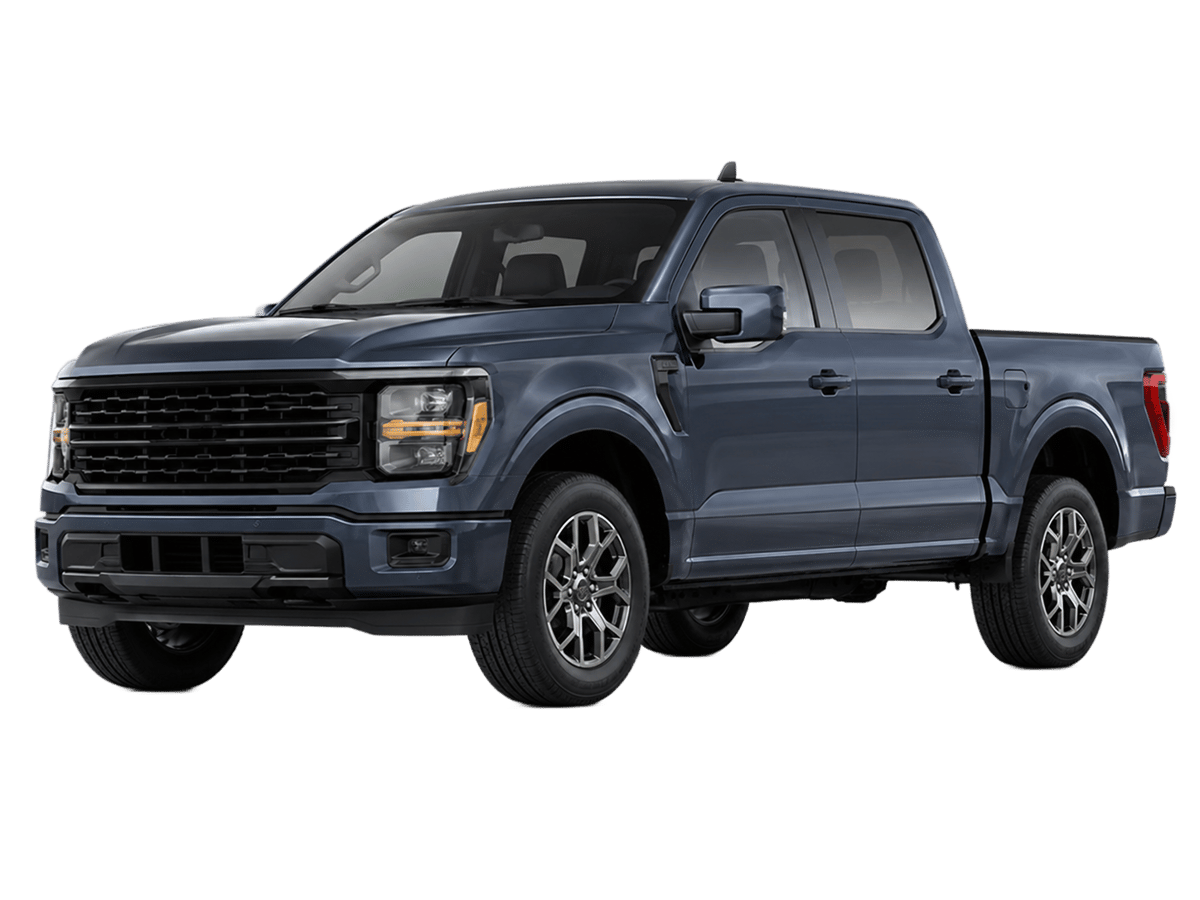
At a glance
Public records for the 2020 Ford F-150 include government recalls, consumer complaints, and ongoing investigations. Use this data to understand how the vehicle has performed for other owners.
Key takeaways
- 11 recalls and 506 complaints are currently imported for this model year.
- The most recent recall in the file is dated Jun 9, 2026.
- power train is the leading owner complaint category in the current file.
- Start with the official recall list because those campaigns can point to required repairs.
The public file for the 2020 Ford F-150 is not just a count of problems. It is a record of what manufacturers were required to address, what owners reported, and which details are worth checking before someone buys, sells, or services the vehicle.
A used F-150 search is rarely just curiosity. Buyers want to know whether a truck is safe, whether recall repairs are open, and whether owner reports point to systems that deserve extra inspection before a purchase. That makes the public record a practical screening tool rather than a simple count of problems.
The current record shows 11 recalls and 506 complaints. The useful question is not whether the truck has any records at all. It is whether the records point to a few systems that should change the inspection, negotiation, or service plan. The answer starts with the relationship between recall activity, owner-submitted complaints, and the dates of the most recent records.
Why this F-150 record gets searched
The 2020 Ford F-150 is not a niche used vehicle. It is a common full-size truck that shoppers may be considering for commuting, towing, job-site use, family duty, or all of those at once. That wide use case is why the public record deserves more than a quick glance.
A truck can have a clean test drive and still have open recall work or owner complaint patterns worth checking. For this model year, the practical value is in reading the official campaigns beside owner reports and then asking whether the specific truck has the same history.
How to read the recall file
Start with the latest recall date and the affected component. A recall count by itself does not tell the full story. One campaign may be minor and easy to complete, while another may involve a system that matters for safety, towing, or daily reliability.
For a used F-150, recall history should lead to a VIN check and repair-order request. If the seller says the truck is current, ask for documentation showing the campaign number, dealer, date, and mileage.
What complaints add to the picture
Complaints are not official findings, but they help show how owners describe problems in normal use. For trucks, that can be especially useful because towing, payload, mileage, and work use can expose issues differently than light personal driving.
The strongest complaint signal is not the raw total. It is repetition. If owners repeatedly mention the same component group, that category should become part of the inspection and service-history conversation.
- Ask whether top complaint systems have been inspected or repaired.
- Compare the complaint pattern with nearby model years.
- Use severity flags separately from the total complaint count.
What shoppers should do next
If you are shopping this truck, use the public page to prepare questions before contacting the seller. Then confirm the VIN, ask for service records, and have a mechanic inspect the systems that appear most often in complaints.
The goal is not to reject a truck because public records exist. The goal is to avoid buying blind. A good vehicle should hold up to recall checks, complaint review, and service-history questions.
Recent recall history
View all recallsRecalls are the clearest part of the file because they identify specific campaigns, components, and remedies. For this 2020 Ford F-150, The latest listed recall is dated Jun 9, 2026 and is filed under EXTERIOR LIGHTING:HEADLIGHTS. That date matters because recall records can continue to change after the model year has already been sold and traded in the used market.
Exterior Lighting:headlights
RecallFord Motor Company (Ford) is recalling certain 2018-2020 F-150 vehicles previously repaired incorrectly under recall number 20V097. When the headlight switch is turned from "Autolamps" to "Headlamps On," the Daytime Running Lamps (DRLs) may remain fully bright instead of dimming to parking lamps as intended. As such, these vehicles fail to comply with the requirements of Federal Motor Vehicle Safety Standard (FMVSS) number 108, "Lamps, Reflective Devices and Associated Equipment."
Campaign 26V373000Back Over Prevention:software
RecallFord Motor Company (Ford) is recalling certain 2018-2022 Transit Connect, 2019-2020 MKZ, MKX, Edge, Continental, F-150, Nautilus, Fusion, 2019-2023 Ranger, Mustang, 2020-2021 EcoSport, Expedition, Navigator, 2020-2022 Escape, F-250 SD, Corsair, 2020-2023 Aviator, Transit, 2020-2024 Explorer, 2021-2024 Bronco Sport, and 2022-2024 Maverick vehicles. A software error may cause the rearview camera to display a blank image, or the image may remain on the display after the backing event has ended.
Campaign 25V442000Equipment:other:labels
RecallFord Motor Company (Ford) is recalling certain 2020-2025 Explorer, Lincoln Aviator, 2020-2024 Escape, Lincoln Corsair, 2018-2024 F-150, Expedition and Lincoln Navigator vehicles. The air bag warning label may be missing from the dashboard. As such, these vehicles fail to comply with the requirement Federal Motor Vehicle Safety Standard number 208, "Occupant Crash Protection."
Campaign 24V852000What owner complaints show
Complaints are different from recalls. They are owner-submitted records, so they do not prove that a defect exists in every vehicle. They do, however, show where people are reporting trouble. In this file, power train leads the complaint file with 160 reports, engine follows with 55, unknown or other appears next with 35. That kind of concentration is more useful than the total complaint count alone.
Top complaint categories
Power Train160
Engine55
Unknown Or Other35
Severity overview
17 crash reports, 3 fire reports, 11 injury reports
About the data
Complaints are submitted by owners and the public to the NHTSA. They are not proven defects and may lack full manufacturer findings.
What the numbers do not prove
A public record is not a mechanical inspection and it is not a prediction that a specific vehicle will fail. Complaint volume can be affected by sales volume, owner reporting behavior, age, mileage, and how long a model year has been on the road. Recall count can also reflect how aggressively a manufacturer or regulator identifies and documents a remedy.
That is why the strongest reading comes from overlap. If recalls, complaints, investigations, and manufacturer notices point toward the same area, the issue deserves closer attention. If the records are scattered, the page is still useful, but it should be treated as a starting point for a VIN check, service records, and an inspection.
What to check next
For this vehicle, the most practical next step is to open the full vehicle report and review the individual recall campaigns. Then use the complaint file to see whether owner reports repeat around the same component groups. If you are comparing used vehicles, check nearby model years as well, because a pattern may be stronger before or after this model year.
Frequently asked questions
Should a used 2020 Ford F-150 with recalls be avoided?
Not automatically. Check whether the recalls apply to the exact VIN and whether the remedies were completed. Open safety campaigns should be addressed before or shortly after purchase.
Are F-150 complaints proof of a defect?
No. Complaints are owner-submitted reports. They are most useful when similar symptoms repeat across many records and align with recalls or service history.
What should I ask a seller first?
Ask for the VIN, open recall status, repair orders for completed campaigns, and service records for systems that appear often in complaints.