At a glance
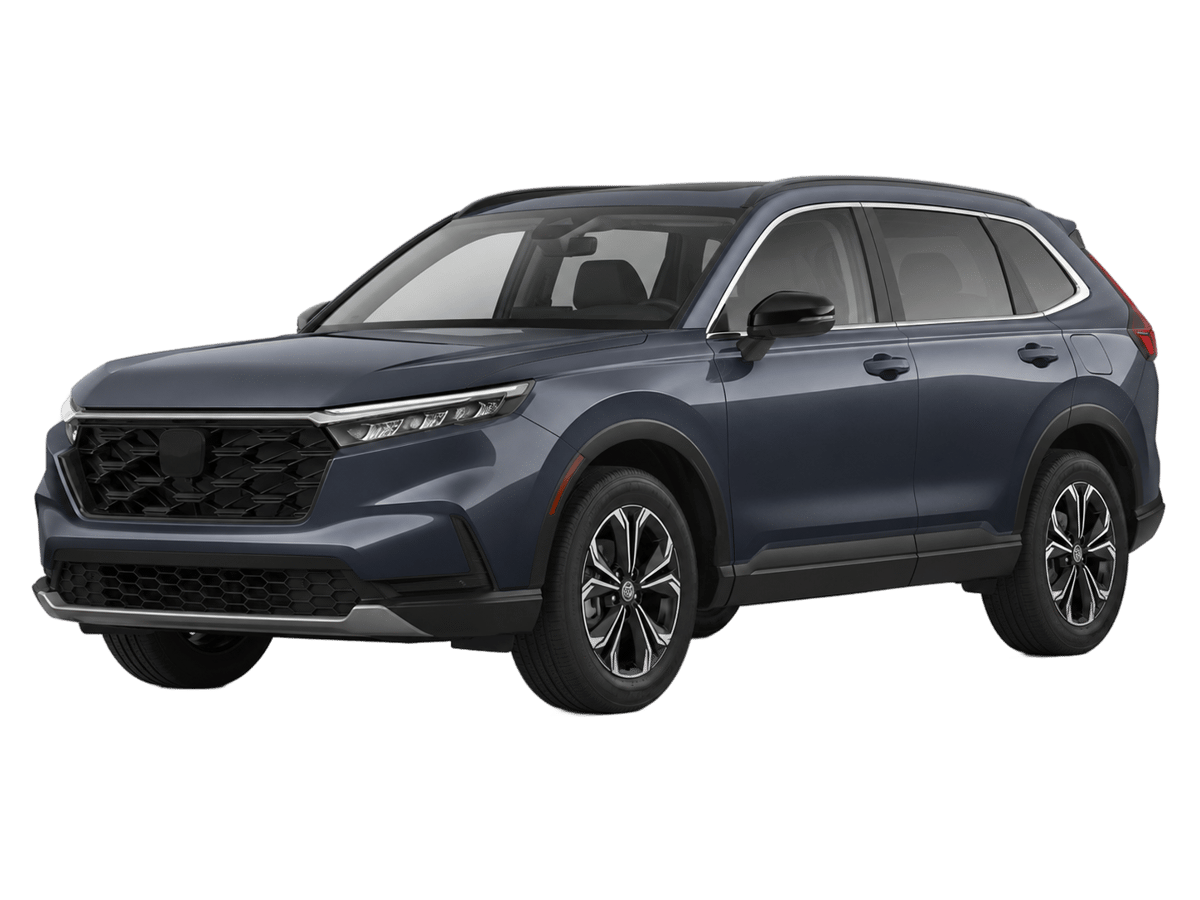
Public records for the 2018 Honda CR-V include government recalls, consumer complaints, and ongoing investigations. Use this data to understand how the vehicle has performed for other owners.
Key takeaways
- 5 recalls and 2,085 complaints are currently imported for this model year.
- The most recent recall in the file is dated May 21, 2026.
- steering is the leading owner complaint category in the current file.
- Start with the recall list, then compare it with the top complaint categories.
The public file for the 2018 Honda CR-V is not just a count of problems. It is a record of what manufacturers were required to address, what owners reported, and which details are worth checking before someone buys, sells, or services the vehicle.
The CR-V is the kind of used SUV many shoppers consider by default, which makes the public record important. A familiar badge does not remove the need to check recalls, owner complaints, severity flags, and service history before buying.
The current record shows 5 recalls and 2,085 complaints. The question for shoppers is whether the 2018 Honda CR-V recall record lines up with the systems owners most often reported in complaints. The answer starts with the relationship between recall activity, owner-submitted complaints, and the dates of the most recent records.
Why this used SUV deserves a closer read
The 2018 Honda CR-V is exactly the kind of used SUV many shoppers consider because it is familiar, practical, and common. That familiarity can make people skip research, but public records still matter.
A strong used SUV decision should look at official campaigns, owner complaint categories, severity flags, and service history. The public record is not a replacement for inspection, but it is a strong way to know what to inspect.
How recalls and complaints work together
A recall shows official action. Complaints show owner-reported experience. For the 2018 CR-V, the useful read is whether those two sources point toward similar systems or tell separate stories.
If the recall file and complaint categories overlap, ask more detailed questions. If they do not overlap, each record still has value, but the buying decision should be based on the specific vehicle condition and history.
What buyers should ask
Ask for the VIN, open recall status, service history, and proof of completed campaigns. Then use the complaint categories to shape the inspection. If owners repeatedly report the same system, ask whether that system has been inspected, repaired, or diagnosed.
For a popular SUV, complaint volume can be influenced by how many vehicles are on the road. That is why categories, severity, and repeated symptoms matter more than the raw count alone.
- Check open recalls by VIN.
- Ask for repair orders, not just verbal assurances.
- Use top complaint categories as an inspection checklist.
- Compare nearby CR-V model years if you are still shopping.
What to do after reading the record
Open the full report, read the latest campaigns, then move to complaints. If the car is still a candidate, get a pre-purchase inspection that focuses on repeated complaint systems and any recall-related components.
A clean purchase decision does not come from ignoring the public record. It comes from checking it early enough that the information can still affect the deal.
Recent recall history
View all recallsRecalls are the clearest part of the file because they identify specific campaigns, components, and remedies. For this 2018 Honda CR-V, The latest listed recall is dated May 21, 2026 and is filed under AIR BAGS:SENSOR:OCCUPANT CLASSIFICATION:FRONT PASSENGER. That date matters because recall records can continue to change after the model year has already been sold and traded in the used market.
Air Bags:sensor:occupant Classification:front Passenger
RecallHonda (American Honda Motor Co.) is recalling certain 2018-2021, 2023 Acura TLX, 2019-2024 RDX, 2017-2020, 2022-2026 MDX, 2017-2021, 2023, 2025 Honda Ridgeline, 2017-2022 Pilot, 2019-2021 Passport, 2018-2026 Odyssey, 2019-2022 Insight, 2019-2021 HR-V, 2018-2020 Fit, 2020-2022 CR-V Hybrid, 2017-2022 CR-V, 2017-2018, 2021 Civic Type R, 2017-2021 Civic hatchback, 2016-2020 Civic coupe, 2016-2022 Civic, 2017-2022 Accord Hybrid, and 2016-2022 Accord vehicles. The front passenger seat weight sensor may crack and short circuit, which can cause the air bags to deploy unintentionally during a crash.
Campaign 26V332000Fuel System, Gasoline:delivery:fuel Pump
RecallHonda (American Honda Motor Co.) is recalling certain 2013-2023 Honda Accord, Civic Coupe, Civic Sedan, Civic Hatchback, Civic Type R, CR-V, HR-V, Ridgeline, Odyssey, Acura ILX, MDX, MDX Hybrid, RDX, RLX, TLX, 2019-2022 Honda Insight, Passport, 2020 Honda CR-V Hybrid, 2018-2019 Honda Clarity PHEV, Fit, and 2015-2020 Honda Accord Hybrid, Pilot, Acura NSX vehicles. The fuel pump inside the fuel tank may fail.
Campaign 23V858000Seat Belts:front:buckle Assembly
RecallHonda (American Honda Motor Co.) is recalling certain 2017-2020 CR-V, 2018-2019 Accord and Accord Hybrid, 2018-2020 Odyssey, 2019 Insight, and 2019-2020 Acura RDX vehicles. A manufacturing issue with the front seat belts may cause the seat belt buckle channel to interfere with the release button, preventing the seat belt buckle from latching.
Campaign 23V158000What owner complaints show
Complaints are different from recalls. They are owner-submitted records, so they do not prove that a defect exists in every vehicle. They do, however, show where people are reporting trouble. In this file, steering leads the complaint file with 266 reports, forward collision avoidance follows with 240, engine appears next with 239. That kind of concentration is more useful than the total complaint count alone.
Top complaint categories
Steering266
Forward Collision Avoidance240
Engine239
Severity overview
46 crash reports, 2 fire reports, 39 injury reports
About the data
Complaints are submitted by owners and the public to the NHTSA. They are not proven defects and may lack full manufacturer findings.
What the numbers do not prove
A public record is not a mechanical inspection and it is not a prediction that a specific vehicle will fail. Complaint volume can be affected by sales volume, owner reporting behavior, age, mileage, and how long a model year has been on the road. Recall count can also reflect how aggressively a manufacturer or regulator identifies and documents a remedy.
That is why the strongest reading comes from overlap. If recalls, complaints, investigations, and manufacturer notices point toward the same area, the issue deserves closer attention. If the records are scattered, the page is still useful, but it should be treated as a starting point for a VIN check, service records, and an inspection.
What to check next
For this vehicle, the most practical next step is to open the full vehicle report and review the individual recall campaigns. Then use the complaint file to see whether owner reports repeat around the same component groups. If you are comparing used vehicles, check nearby model years as well, because a pattern may be stronger before or after this model year.
Frequently asked questions
Should I avoid a 2018 Honda CR-V because it has complaints?
Not automatically. Read the complaint categories, severity, and service history. Repeated serious patterns matter more than raw count alone.
What is the first thing to check on a used CR-V?
Start with open recalls by VIN, then compare complaint patterns with the vehicle's service records and inspection results.
Are CR-V recalls free to repair?
Safety recall remedies are generally free when the campaign applies to the exact VIN and the remedy is available.