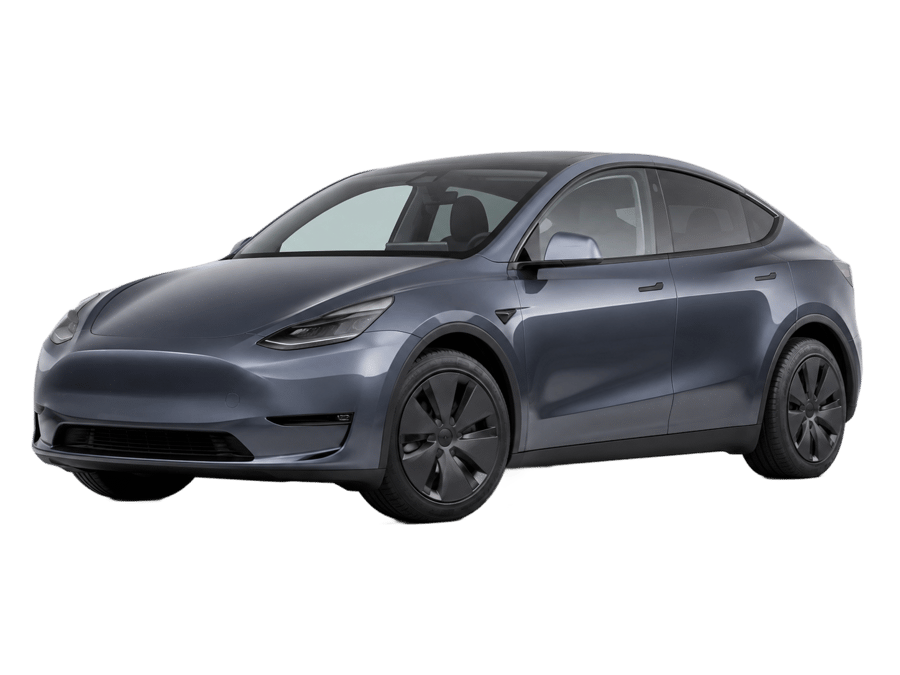
Complaint volume
1068 consumer-submitted complaints are matched to this model year. Treat the count as a research signal, then read the actual summaries for repeated symptoms.
Complaint records
1068 consumer-submitted complaints on record for the 2023 Tesla Model Y, grouped by component category.
Buyer interpretation
Complaint records are most useful when they turn into inspection points, seller questions, and comparison checks against nearby model years.
1068 consumer-submitted complaints are matched to this model year. Treat the count as a research signal, then read the actual summaries for repeated symptoms.
The most common categories are forward collision avoidance, steering, vehicle speed control,forward collision avoidance. Use those categories as a test-drive checklist instead of judging the vehicle from the total count alone.
Enriched records include 137 crash reports, 3 fire reports, 45 injury reports, and 1 fatality report. These fields come from complaint records and should be read in context.
Mileage is available on 74 complaints, with an average reported failure mileage of 13,628 miles. Compare that with the mileage on the listing.
Build a buyer checklist to turn these issues into questions and inspection points.
1,068 total complaints on record
| Date | Component | Summary | Severity | Mileage |
|---|---|---|---|---|
| Jul 2025 | ELECTRICAL SYSTEM,VISIBILITY/WIPER,LANE DEPARTURE | The tesla computer freezes. Sudden there is no information from the car, no miles per hour, no navigation, no side view cameras. I can drive the car but that's is all. Since the navigation is entirely dependent on the computer I can't tell where I am going. It has happened more than 30+ times in the car. | Crash: No Fire: No | Unknown |
| Jul 2025 | WHEELS | I am writing to report a serious safety issue following a recent service appointment for my Tesla Model Y at the Peabody, MA location (10 Andover St) on Friday, [XXX]. After driving approximately one hour on the highway following my visit, I heard a popping noise. Upon arriving home, I inspected my vehicle and removed the lug nut cover from the rear right tire — the one that was serviced during my appointment. To my shock, two lug nuts came off with the cover, and two others were not even screwed in. This is absolutely unacceptable and extremely dangerous. The wheel could have come off while I was driving, which could have led to a catastrophic accident. INFORMATION REDACTED PURSUANT TO THE FREEDOM OF INFORMATION ACT (FOIA), 5 U.S.C. 552(B)(6) | Crash: No Fire: No | Unknown |
| Jul 2025 | UNKNOWN OR OTHER,LANE DEPARTURE,BACK OVER PREVENTION | While attempting to park my Tesla, I accidentally struck another vehicle’s side step with the front passenger side of my car. The other vehicle was not damaged, but my Tesla sustained visible damage. The vehicle’s camera system failed to detect or display the side step, giving the impression that there was sufficient clearance. As a result, I relied on what I believed to be accurate visual guidance from the Tesla camera system. During a follow-up visit to the Tesla Service Center in Gilroy, California, I was told that similar incidents have occurred before. According to the technicians, the camera system has known limitations in detecting low-profile or side-mounted obstacles, such as running boards or side steps. This presents a significant safety concern. Tesla vehicles rely heavily on cameras and sensors for driver awareness, particularly during parking maneuvers. When key blind spots exist in the system—especially in areas the driver may not be able to visually confirm easily—it puts both property and people at risk. Drivers are conditioned to trust the vehicle’s spatial guidance systems, but in this case, that trust may lead to preventable accidents. Given Tesla’s growing market share and the increasing use of its camera-based safety and autonomy features, I believe this issue could affect many other drivers. It may warrant broader review to determine whether a design or software update is necessary to improve detection of low-profile obstacles and better inform drivers in parking scenarios. | Crash: Yes Fire: No | Unknown |
| Jul 2025 | ELECTRICAL SYSTEM,UNKNOWN OR OTHER | On Memorial Day weekend, my car was parked outside, and apparently back passenger window was left open, which caused the backseat area of the car to be soaked in water. We noticed that in the morning, and parked the car inside the garage, and kept the door and windows open so it could dry quickly. However, a few hours later, around 4:30 pm, the car caught fire while parked in the garage. We called 911 right away and quickly using two fire extinguishers, quickly put out the fire. The Frisco Fire Department opened up the investigation, and I believe they concluded the cause of the fire was an electrical short circuit due to water or battery-related issues. The fire incident occurred inside the garage, which could have potentially burned the entire house. However, due to the brave actions of my [XXX] , we put the fire out, but he ended up in the hospital due to severe smoke inhalation. INFORMATION REDACTED PURSUANT TO THE FREEDOM OF INFORMATION ACT (FOIA), 5 U.S.C. 552(B)(6) | Crash: No Fire: Yes Injuries: 1 Medical attention | Unknown |
| Jul 2025 | STEERING | Making a right turn and heard a pop sound. Pulled into a parking lot immediately found the steering arm dropped and shortly after a large bolt fell out. There is supposed to be 2 bolts holding up each side, one bolt was already missing. Event occurred without incident. Normal street driving at a low speed turn. | Crash: No Fire: No | Unknown |
| Jul 2025 | ELECTRICAL SYSTEM | The car computer (HW3) in my 2023 Tesla Model Y failed without warning while I was traveling from Maryland to New Jersey. When I attempted to drive the car, the main screen was completely black and unresponsive, meaning I could not see or control any essential functions—no speed display, gear indicator, or system feedback. The vehicle was not drivable. Acceleration was extremely delayed (took more than 10 seconds to start moving from stop) when attempting to move, and the car felt like it could stop at any moment without warning. I had no way to safely monitor or control the vehicle’s basic operation. This created a serious safety risk—not only was I unable to access the gear or speed, but the vehicle was in a condition where it could shut down suddenly at any time due to the computer failure. This left me stranded while away from home and could have resulted in dangerous situations if I had been on the road when it failed. Tesla Service inspected the vehicle and confirmed the issue was an internal fault in the car computer (HW3), diagnosed by their senior technician. They provided a repair estimate of approximately $3,000. No police, insurance, or other third parties have inspected the vehicle. There were no warning messages, alerts, or symptoms before the failure occurred. It happened suddenly and completely at around 59,000 miles—just 9,000 miles past the basic warranty limit. The failed computer is being fixed by Tesla service center in Paramus, NJ location. | Crash: No Fire: No | Unknown |
| Jul 2025 | BACK OVER PREVENTION | The contact owns a 2023 Tesla Model Y. The contact stated while reversing out of the garage, the message "Camera Temporarily Not Available" was displayed intermittently. The contact stated that the failure progressively worsened, and the rearview camera had become inoperable. Additionally, the contact stated that a software update notification was displayed; however, upon initiating the update, the center display screen froze in the middle of the update. Additionally, the contact stated that the front and rearview cameras, the navigation system, the cruise control mode, and distant cruise control mode, the blind spot detection system, the self-driving assist system, and other safety systems were inoperable. The contact stated that the vehicle appeared stationary on the center display even while driving. The vehicle was taken to a Tesla Service Center, where it was diagnosed and determined that the computer system needed to be replaced. The vehicle was not repaired. The manufacturer was notified of the failure. The failure mileage was approximately 64,000. | Crash: No Fire: No | 64,000 |
| Jul 2025 | ELECTRICAL SYSTEM,ENGINE | 1) What component or system failed or malfunctioned, and is it available for inspection upon request? Response: All 3 times has been with a faulty inverter 2)How was your safety or the safety of others put at risk? Response: Safety was a HUGE concern. The Tesla model Y has stalled and completely shut down while driving through traffic and at speed. The complete failure did not allow any coasting to try and get out of harms way. 3) Has the problem been reproduced or confirmed by a dealer or independent service center? Response: All 3 times this issue has occurred were all serviced by Tesla directly and has always been a faulty inverter. 4) Has the vehicle or component been inspected by the manufacturer, police, insurance representatives or others? Response: Yes, all 3 times the car failed the car was assessed by Tesla's service station Were there any warning lamps, messages or other symptoms of the problem prior to the failure, and when did they first appear? 5) Yes, the first 2 times the warning appeared there was only a matter of seconds before the car completely stopped in the middle of traffic. This last time there was a warning stating the car will not restart if stopped. | Crash: No Fire: No | Unknown |
| Jul 2025 | VISIBILITY/WIPER | car has a improperly installed windshield, it got cracked while sitting in a covered parking lot on June24th,2025. the hottest day of season with 100 + degrees temperature,Crack was very small in the middle of windshield size3” x 3” and got bigger waiting for Tesla’s appointment.When i went to Tesla today for replacement of windshield they just gave me the run around and denied to replace under warranty. This is a manufacturing defect as there is nothing else but a crack . Tesla should be fined for big time and ordered to fix it under warranty. There are so many customers who have the same problem.The crack never happened with any outside influence . | Crash: No Fire: No | Unknown |
| Jul 2025 | UNKNOWN OR OTHER | I was using the self driving in about 65 miles per hour this was little bit under speed limit in highway in Florida. Suddenly the car started to do zig zags and cycles alone and when I tried to control the car and drive my self the car didn’t respond to me and self driving couldn’t be stopped I couldn’t switch to regular driver this was self driving malfunction and could cause big accident in a highway. The car stopped because it took me out of the road and hit the guardrail. | Crash: Yes Fire: No | Unknown |
| Jul 2025 | SUSPENSION | Tesla lateral link bolts fell out and/or sheared off. The happened on the front driver side of the vehicle. It happened while driving. | Crash: No Fire: No | Unknown |
| Jun 2025 | STEERING,SUSPENSION | The contact owns a 2023 Tesla Model Y. The contact stated while driving at an undisclosed speed and attempting to complete a left turn, the contact briefly heard an abnormal clicking sound coming from the front end of the vehicle, after which the steering wheel jerked abnormally. The vehicle quickly returned to normal functionality, but the failure became a regular occurrence. No warning lights were illuminated. The vehicle was taken to the dealer, who diagnosed a failure with the front-end suspension bushings. The contact was also informed that a bolt on the driver’s side control arm had loosened. The vehicle was repaired. The manufacturer was not notified of the failure. The failure mileage was 54,000. | Crash: No Fire: No | 54,000 |
| Jun 2025 | LANE DEPARTURE,BACK OVER PREVENTION,FORWARD COLLISION AVOIDANCE | The Tesla “self driving” features are inconsistent, at best, and frequently fail. I can not believe that the government approves these capabilities or the Tesla is accepting liability for road use. If these features are not reliable under supervised conditions, why would they be considered safe for robo taxi release? I have repeatedly tried to report this to Tesla and they say the systems are operating as designed. | Crash: No Fire: No | Unknown |
| Jun 2025 | SUSPENSION | I was driving my 2023 Tesla Model Y under normal road conditions when a sudden mechanical failure occurred. There was no collision or external impact involved. While driving in the San Jose area, the bolt of the front left lower control arm suddenly detached, causing the control arm to disconnect and drag on the ground. As a result, the front wheel became jammed, the vehicle lost steering control, and I was unable to continue driving safely. Upon immediate inspection, I found the suspension system severely damaged, with the control arm completely detached from its mounting point, posing a serious safety risk. The vehicle has approximately 19,200 miles and is still under factory warranty. This kind of failure is extremely uncommon and appears to be a structural or manufacturing defect. | Crash: No Fire: No | Unknown |
| Jun 2025 | STEERING | The contact owned a 2023 Tesla Model Y. The contact stated that while driving approximately 45 - 50 MPH, the contact lost control of the vehicle. The contact stated that while attempting to regain control of the vehicle and attempting to correct the steering wheel, the vehicle kept going to the right and to the left independently. The contact was unable to regain control of the vehicle. The contact stated that the vehicle struck a railing and a concrete divider with the passenger’s side front bumper and then the rear passenger’s side quarter panel, and the vehicle spun around on the highway and came to a stop. The contact pressed the emergency latch to exit the vehicle out of fear that the vehicle might catch on fire. The contact stated that the rear passenger’s side tire was pushed back due to the impact. There were no warning lights illuminated. The contact stated that all the air bags deployed as designed. The vehicle was towed to a local Collision Center. A Police report was filed. The contact stated that the vehicle was deemed destroyed by the Insurance Provider. The contact sustained injuries to the upper back, left shoulder, right elbow, and neck; however, there were no broken bones reported. The contact received medical attention for the injuries sustained. The local dealer was not contacted, and the vehicle was not diagnosed or repaired. The manufacturer was not yet notified of the failure. The approximate failure mileage was 40,000. | Crash: Yes Fire: No Injuries: 1 Towed Medical attention | 40,000 |
| Jun 2025 | UNKNOWN OR OTHER,LANE DEPARTURE | My 2023 Tesla Model Y has produced concerningly loud mechanical noises while parked, plugged in, and not being driven. I’ve experienced this on two separate occasions—[XXX] and [XXX]—after the vehicle had been parked for several hours in a garage. Upon waking the car (without driving it), it emitted a very loud and persistent mechanical sound, both while plugged in and even after unplugging. The volume and intensity of these sounds were far beyond normal operation and raised immediate concerns of overheating, component failure, or an underlying safety defect. The experience felt unsafe enough that we considered exiting the vehicle both times. We attempted to schedule a service appointment through the Tesla app, but received no response, and the request appears to have disappeared with no record remaining in the app. Based on the nature of the sound, we’re unsure what it could be, and may indicate a malfunction in the cooling system or battery thermal management. I have video documentation of both incidents, along with video from other nights with similar temperatures where this did not occur, for comparison. I’m submitting this report out of genuine concern for vehicle safety and reliability, especially given Tesla’s known issues with thermal and battery behavior in high-heat conditions. These noises began recently, and we have owned the car since 2022 and have driven it consistently in high Texas heat every summer. This suggests a new or developing malfunction, not a feature of normal operation. INFORMATION REDACTED PURSUANT TO THE FREEDOM OF INFORMATION ACT (FOIA), 5 U.S.C. 552(B)(6) | Crash: No Fire: No | Unknown |
| Jun 2025 | SUSPENSION | The bolt that connects the control arm to the vehicle chassis fell out of the care (and was recovered) and the mechanic noted the other bolt was also very loose. | Crash: No Fire: No | Unknown |
| Jun 2025 | AIR BAGS,SEATS | Front Passenger Seat Occupancy Sensor Defect – Tesla Vehicle In March 2025, my Tesla vehicle began displaying a warning message indicating a fault in the front passenger seat occupancy sensor system. I brought the car in for service on March 14, 2025, and the system was reportedly replaced. However, in April, the issue recurred — the seat sensor alarm would activate randomly, particularly after going over bumps, falsely indicating that a passenger was present when the seat was unoccupied. I returned the car to Tesla service, and they again claimed to have repaired the issue. Despite this, the false passenger occupancy alerts continued. In May, I contacted Tesla and submitted several videos clearly documenting the problem. Tesla performed a remote diagnostic and stated that the seat occupancy sensor was functioning as intended. On June 22, 2025, I brought the vehicle back in for in-person inspection. Tesla physically examined the vehicle and acknowledged that the false alarm could be reproduced in a similar model vehicle, effectively confirming a design defect. Despite this, Tesla maintained that the issue did not affect the safety or function of the front seat. I believe this defect presents two significant safety concerns: 1.The frequent false alarms are distracting during driving, increasing the risk of an accident. 2.The defect raises serious concerns about the reliability of airbag deployment and other safety systems, which rely on accurate seat occupancy detection in the event of a collision. I have video evidence and service documentation supporting the timeline and recurrence of this defect. The problem has been reviewed multiple times by Tesla service teams, both remotely and in person. Tesla has acknowledged the issue can be reproduced but has taken no corrective action. I have videos of the defect I can submit and documentation of my conversations with Tesla. | Crash: No Fire: No | Unknown |
| Jun 2025 | FORWARD COLLISION AVOIDANCE,ELECTRICAL SYSTEM | I am writing to raise a safety concern regarding the use of Tesla’s Full Self-Driving (FSD) system on my 2023 Tesla Model Y when a rear hitch-mounted bike rack is installed. Numerous users, including myself, have experienced dangerous or erratic behavior from FSD when carrying bicycles on a rear-mounted rack. Specific issues include: False detection of a trailing vehicle directly behind the car. Phantom braking or swerving, including abrupt lane changes or acceleration. Unreliable navigation at intersections (e.g., nearly running stop signs) due to apparent misinterpretation of sensor data. In some cases, tailgating or aggressive following behavior by the vehicle. These behaviors appear to stem from the FSD system misinterpreting the presence or visual signature of the rack and bikes as another vehicle. In several online reports, this has led to unsafe maneuvers. To temporarily mitigate the issue, some drivers have resorted to taping over the rear camera, which is neither safe nor user-friendly. While I recognize Tesla has made improvements such as camera obstruction warnings (e.g., in FSD v12.5.6+), these do not address the core misclassification problem. My requests: That Tesla officially acknowledge and investigate FSD misbehavior in the presence of rear-mounted bike racks. That Tesla provide clear driver guidance on whether FSD should be used when such a rack is installed. That the FSD system include an option for a “Bike Rack Mode” or alternative logic to prevent rear-camera misinterpretation. That this concern be escalated within your safety and AI development teams to ensure user safety is prioritized. | Crash: No Fire: No | Unknown |
| Jun 2025 | Carry Handle, Shell, Base | I am writing to formally report a safety concern involving the Cybex Calisto G 360 convertible car seat. The issue pertains to a persistent rattling noise that emanates from the seat, specifically from the area near the child’s footrest, just above the belt tensioner lock mechanism. This sound occurs consistently during vehicle operation, regardless of whether a child is seated or the seat is unoccupied. I contacted the manufacturer, and their response was as follows: “After our Product Team reviewed your claim, it was determined that the amount of rattle you hear is completely normal. It passes our quality review for sound. The specific sound that is heard is from the metal rod inside the belt tensioner door.” While I appreciate their response, I remain deeply concerned. A rattling sound originating from a critical restraint mechanism area warrants a thorough safety inspection. The explanation that it is “normal” does not ease concerns about potential long-term reliability, wear, or failure of a restraint system component. Given that this noise may indicate looseness or internal movement of a part involved in child restraint tensioning, I strongly believe this issue requires further investigation by independent safety professionals. Please let me know if any additional documentation, photos, or videos would help in assessing the issue. | Crash: No Fire: No | Unknown |
| Jun 2025 | SUSPENSION | The lower control arm of the passenger front wheel separated from the vehicle entirely while the vehicle was in motion. There are two bolts which attach the bushing to the front sub-frame assembly. These bolts pass through the frame and are secured into nuts which are affixed to the frame. The bolts are not captured; there is no retention device (pins, wiring) which prevent these bolts from backing out of position, other than torque. Blue thread-lock compound was visible on both bolts, which remained present in the bushing after the control arm separated from the frame. When the arm detached from the frame, it dropped to the asphalt and made a loud grinding noise. The passenger side front wheel became directionally unstable and rotated inward and left, out of alignment with the intact driver-side wheel. This misalignment, while the vehicle was in motion, disrupted steering control and forced the passenger front wheel into the fender, causing friction and significant further damage to the frame and the suspension. This damage, combined with the driver's actions, stopped the car immediately. Fortunately, this occurred at low speed. Unfortunately, the cumulative damage left the vehicle immobilized in the middle of public road. Due to the great weight of the vehicle and the unstable front wheel, the vehicle could not be removed from the roadway and thus blocked traffic for several hours. The bolts, frame, and control arm were not visibly damaged. The bolts lost torque and backed out of the frame without noticeable indication that they were doing so. Tesla's characterization of the fault was that the vehicle "ejected" the bolts. Tesla repaired the damage under warranty. Multiple reports of similar (visually identical) events are available: [XXX] [XXX] INFORMATION REDACTED PURSUANT TO THE FREEDOM OF INFORMATION ACT (FOIA), 5 U.S.C. 552(B)(6) | Crash: No Fire: No | Unknown |
| Jun 2025 | AIR BAGS,SEAT BELTS | While driving, a persistent error appears on the screen with a chime: "Front left safety restraint system issue" (Error Code: RCM2_a128). After researching online, it appears this is a commonly reported issue among Tesla owners and may have serious safety implications. The error code RCM2_a128 indicates a fault in the vehicle’s safety restraint system, specifically related to the seat belt or restraint mechanism on the front left side. | Crash: No Fire: No | Unknown |
| Jun 2025 | AIR BAGS,LANE DEPARTURE,BACK OVER PREVENTION | The primary safety restraint system, specifically the driver's side airbag, failed to deploy during a significant frontal impact collision. This severely compromised my personal safety, as my head struck the steering wheel with force, leading to injury and pain. Had the impact been more severe, the lack of airbag deployment could have led to much more serious, potentially life-threatening, injuries. Immediately after the impact, the primary braking system also malfunctioned, and the vehicle's warning and autopilot systems became compromised, posing further safety risks. The specific airbag non-deployment problem has not yet been reproduced or formally confirmed by a dealer or independent service center, vehicle is currently scheduled for its first post-accident inspection at a Tesla Collision Center address 6010 Richmond Ave, Houston TX 77057 on June 11, 2025, and is available for inspection. To date, the vehicle has not been formally inspected by the manufacturer, police, or insurance representatives for these specific malfunctions. Police responded to the accident scene and filed a report, but no technical inspection was conducted by them. There were NO prior warning lamps, messages, or symptoms indicating a malfunction with the airbag system before the collision. However, immediately after the collision, the primary brakes failed and the warning system and autopilot system showed signs of malfunction/disruption; no specific warning lights related to these post-impact issues appeared prior to their malfunction. | Crash: Yes Fire: No Injuries: 1 | Unknown |
| Jun 2025 | STEERING,SUSPENSION | A suspension rod/bolt fell off my car. When I was making a right hand turn my car began screeching and shaking, I lost control for a second and almost hit another vehicle, luckily I was able to stop my car. I had my car towed to a Tesla service station for repair. | Crash: No Fire: No | Unknown |
| Jun 2025 | UNKNOWN OR OTHER | Description of Incident: I was taking my family on a road trip from Disneyland back home to Chandler, Arizona when our 2022 Tesla Model Y displayed a battery issue. We stopped in Palm Springs to charge, but the battery would only charge very slowly and capped out at 32%. We brought the vehicle to the Palm Springs Tesla Service Center, where they diagnosed a failure in the high-voltage (HV) battery and stated it would need to be replaced — a process that would take about a week. Given that the car is only two years old, I found it concerning that a battery expected to last around 10 years would already need replacement. We were provided a loaner vehicle and returned to Arizona. When the repair was completed, I drove the loaner vehicle back to Palm Springs (a 5-hour trip) to pick up my car. On the return drive home, I stopped at a Tesla Supercharger in Quartzsite, Arizona, but the vehicle would not charge. After spending over 90 minutes on the phone with Tesla roadside assistance, a tow truck was dispatched and took both me and the car to the Glendale, AZ Tesla Service Center. There, I was informed — again — that the HV battery needed to be replaced. I explained that this component had just been replaced two days ago in Palm Springs, and asked for an explanation. I was not provided with any specific technical reason for the repeated failure, other than being told that the battery "just needs to be replaced again." Safety Concerns: At this point, I am deeply concerned that there may be a more significant or systemic issue with the vehicle’s electrical or battery systems that has not been properly identified. The repeated HV battery failures — combined with the lack of a clear explanation — raise serious safety concerns for my family and me, especially given how reliant the vehicle is on this system for power, propulsion, and emergency response. | Crash: No Fire: No | Unknown |