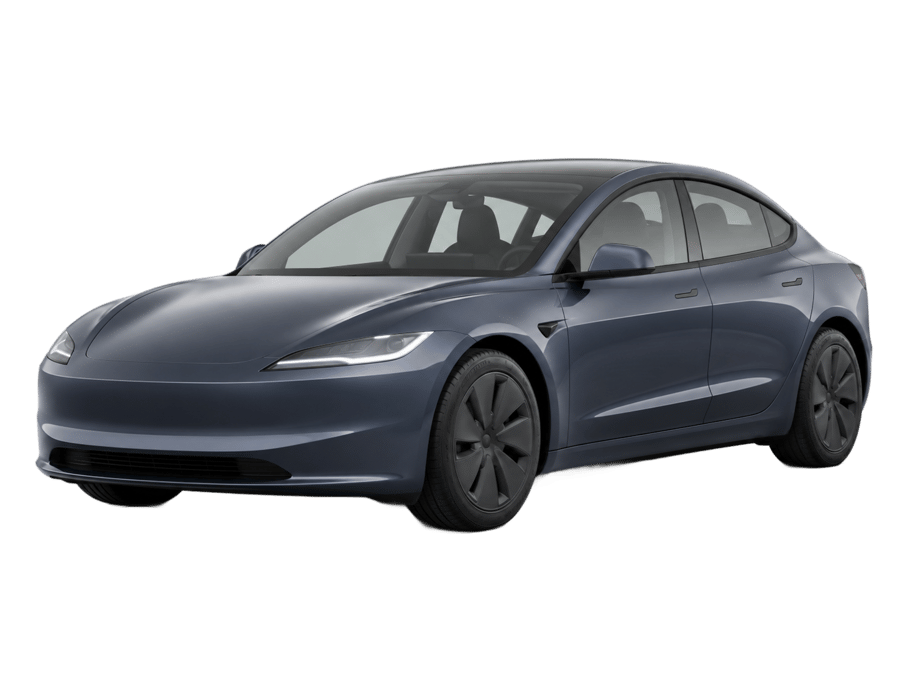
Complaint volume
982 consumer-submitted complaints are matched to this model year. Treat the count as a research signal, then read the actual summaries for repeated symptoms.
Complaint records
982 consumer-submitted complaints on record for the 2018 Tesla Model 3, grouped by component category.
Buyer interpretation
Complaint records are most useful when they turn into inspection points, seller questions, and comparison checks against nearby model years.
982 consumer-submitted complaints are matched to this model year. Treat the count as a research signal, then read the actual summaries for repeated symptoms.
The most common categories are suspension, unknown or other, electrical system. Use those categories as a test-drive checklist instead of judging the vehicle from the total count alone.
Enriched records include 100 crash reports, 4 fire reports, 34 injury reports, and 0 fatality reports. These fields come from complaint records and should be read in context.
Mileage is available on 219 complaints, with an average reported failure mileage of 25,782 miles. Compare that with the mileage on the listing.
Build a buyer checklist to turn these issues into questions and inspection points.
982 total complaints on record
| Date | Component | Summary | Severity | Mileage |
|---|---|---|---|---|
| Nov 2025 | AIR BAGS | The contact owns a 2018 Tesla Model 3. The contact stated that while driving at approximately 30 MPH through an intersection, another vehicle t-boned the driver's side from the driver's side front bumper to the rear passenger door. The contact stated that the air bags did not deploy as intended. Medical attention was needed after the contact sustained lower back, left shoulder, neck, tailbone, and internal bleeding injuries were sustained. A police report was filed. The vehicle was taken to a collision center, where it was currently pending an inspection. The manufacturer was not notified of the failure. The failure mileage was approximately 88,894. | Crash: Yes Fire: No Injuries: 1 Towed Medical attention | 88,894 |
| Nov 2025 | STEERING | I own a 2018 Tesla Model 3. The vehicle experienced a sudden loss of steering assist while driving, and the steering wheel became extremely difficult to turn, eventually locking up to the point where the vehicle could no longer be safely controlled. There were dashboard warnings related to steering and low-voltage system faults. The vehicle had to be towed because it was unsafe and not steerable. This is the second time within a few months that the vehicle has become inoperable and required a tow. The first failure involved a low-voltage electrical fault that prevented the car from charging or driving. The most recent failure involved the steering rack and a front-end controller component. Tesla diagnosed the issue as requiring replacement of the steering rack and a front controller assembly. The repair cost was quoted at approximately $4,200 out of pocket, and Tesla stated the failure was not covered under warranty and not related to the earlier electrical issue. No recall was listed for this VIN. There was no crash, but steering control was lost while the vehicle was in motion, which created a safety hazard. I am reporting this because a sudden loss of steering function while driving is a serious safety defect that could lead to a collision if it occurs at higher speeds or in traffic. | Crash: No Fire: No | Unknown |
| Oct 2025 | STRUCTURE | The contact owns a 2018 Tesla Model 3. The contact stated that while driving approximately 60 MPH, the vehicle became difficult to maneuver. No warning lights were illuminated. The vehicle was taken to a dealer, where it was diagnosed, and determined that the frame underneath the vehicle was fractured. The vehicle was not repaired. The manufacturer was not notified of the failure. The failure mileage was approximately 89,700. | Crash: No Fire: No | 89,700 |
| Oct 2025 | STEERING,SUSPENSION,WHEELS | We noticed that one of our tires was leaning inwards and the alignment was completely shot. There was no event that caused this but just noticed it one day driving. After having to replace two new tires, we took it into the Tesla dealership and they found that the control arm and suspension as well as the frame underneath is broken. The car has a clean tittle and this problem use to be covered by Tesla but for some reason now is not and this is a big steering and safety issue! We should not be responsible for the cost to fix the car if this has happened so often in the past! | Crash: No Fire: No | Unknown |
| Oct 2025 | UNKNOWN OR OTHER | The rear doors do not have a manual release. If power is lost, you cannot open the rear doors. This is a severe safety concern. With 2 child seats in the rear seats, with a power failure, you cannot get the children out. Newer Model 3 vehicles, have a manual safety release. My 2018 does not. | Crash: No Fire: No | Unknown |
| Oct 2025 | SERVICE BRAKES | Repeatedly and randomly, with cruise control (not FSD) engaged, the car would brake, sometimes aggressively. The last time, it braked so hard the tires or brakes squealed and the car swerved slightly before I was able to regain control. This was on the freeway (in Colorado, if I remember correctly) while I was cruising at 70 or 75 MPH. I decided that that was the last time I would use cruise control; it was just not safe. I had an appointment on October 22 to take the car in for service. But then a friend told me this was called "phantom braking" and that there was no fix. A friend suggested that I contact the NHTSA. | Crash: No Fire: No | Unknown |
| Oct 2025 | AIR BAGS | Passenger restraint fault message randomly comes on. | Crash: No Fire: No | Unknown |
| Oct 2025 | STEERING,SUSPENSION,POWER TRAIN | The front upper control arms on my 2018 Tesla Model 3 have failed multiple times, producing loud clunking, popping, and binding noises during steering. The issue has worsened and poses a serious risk of loss of control while driving. Tesla replaced these parts under goodwill in the past, but the failures have returned. The most recent incident occurred around 03/05/2025 at approximately 106,867 miles. The failure has been confirmed and documented by Tesla Service Centers, and I have multiple invoices showing repeated replacements of the same components. The problem directly affects steering and suspension safety. | Crash: No Fire: No | Unknown |
| Oct 2025 | SEAT BELTS | The "Front passenger safety restraint system" is prone to errors because the wiring for it beneath the seat is prone to getting knocked loose and electrical interference | Crash: No Fire: No | Unknown |
| Oct 2025 | ELECTRICAL SYSTEM,VEHICLE SPEED CONTROL,VISIBILITY/WIPER | The center display (Vehicle Pad) on my 2018 Tesla Model 3 went completely blank while driving. This eliminated access to all vital driving information including the speedometer, gear selection, and safety indicators. Safety Concern: Without visible speed data and wipers the vehicle cannot be operated safely or legally. I attempted to reboot the system and power cycle the vehicle but the screen still failed. | Crash: No Fire: No | Unknown |
| Oct 2025 | SERVICE BRAKES | The brake lines badly rusted creating safety hazard as Tesla service reported when working on other maintenance. Not a warranty issue not covered as repair is over $3800. Vehicle was not abused and was kept clean regularly - this seems to be a vehicle defect if the brake lines can get moisture trapped behind the battery pack and create excessive corrosion requiring brake line replacement. | Crash: No Fire: No | Unknown |
| Oct 2025 | UNKNOWN OR OTHER | No warning messages at all, all cameras/sensors stopped working all at once while driving, full self drive stopped working, lane assist, safety features of full self drive was degraded by this. Car software v12 (2024.44.25.2 288ce84bb43e), according to the dealership the computer fried randomly. | Crash: No Fire: No | Unknown |
| Oct 2025 | AIR BAGS | Driving a 2018 Tesla Model 3, driver seat shows message "Front left safety restraint system issue. Service is required". This occurs when the driver is in the seat with the seat belt fastened and the vehicle is in motion. This issue refers to the possible seat belt, seats and/or air bags failure. This is a threat for drivers as these are the front line of defence in case of any collisions or accidents. This issue has been reported by multiple Tesla car drivers and their posts are available on online forums. Message appears on the Tesla screen driven. Tesla does not cover this out of warranty. My appeal to NHSTA is this is hazardous to drivers and cars should be recalled and repairs should be covered. | Crash: No Fire: No | Unknown |
| Oct 2025 | UNKNOWN OR OTHER | The car's horn only works sometimes and often not at all when steering wheel horn areas are pressed, hard or soft!! Tesla said they couldn't fix it!! | Crash: No Fire: No | Unknown |
| Oct 2025 | ELECTRICAL SYSTEM | The contact owns a 2018 Tesla Model 3. The contact stated that when the vehicle was started, the GPS failed to function as intended. In addition, the “Unable to Charge” warning light was illuminated. The contact stated that the GPS provided incorrect directions. The contact attempted to recharge the battery; however, the battery failed to charge. The contact stated that the failure had occurred the following day after an over-the-air software update was performed. The dealer was made aware of the failure. The contact was informed that the battery needed to be replaced. The vehicle was not repaired. The vehicle was not diagnosed or repaired by an independent mechanic or dealer. In addition, the contact referenced a document that stated that the battery life should last 200,000 to 300,000 miles. The manufacturer was made aware of the failure but provided no assistance. The failure mileage was approximately 106,884. | Crash: No Fire: No | 106,884 |
| Oct 2025 | UNKNOWN OR OTHER | Mold, mildew and smelly odors are coming through the on-cabin ventilation system. This is the 3rd time since 2020, I had to purchase & replace the two air filters and spray the poorly designed duct & condensation accumulation. I inspected the self-installed air filters and there were no signs of moisture, mildew, mold or stains on the filters, which makes me think the problem was /is from the HVAC condenser or coil area. Tesla had issued a 2019 software update to “run” the ventilation system longer after the vehicle was in “Park” but the software update has NOT solved the mildew and bacteria odors that are vented into the cabin, and subsequently changed the HVAC design in post 2021Tesla models that corrected this problem with many pre-2021 Model 3s. Tesla Service Centers are still charging for the coil spray cleaning and not covering this mold & bacteria-creating HVAC design problem of their earlier year vehicles ca as I had to pay Tesla for a pair of air filters change and now they want me to pay for a separate fee for spraying the condenser coils. | Crash: No Fire: No | Unknown |
| Sep 2025 | AIR BAGS | The car's dashboard display shows an alert "Front Passenger Safety Restraint System Issue". This puts the front passenger at risk. | Crash: No Fire: No | Unknown |
| Sep 2025 | ELECTRICAL SYSTEM,FORWARD COLLISION AVOIDANCE | I believe my car should be included in the recall for trunk harness recall. My alert and issue is the rear camera being off due to rear trunk ruining the wiring harness that has affected many cars. This is already a recall but I believe my car missed being involved. | Crash: No Fire: No | Unknown |
| Sep 2025 | SUSPENSION | Front suspension creaking noise, took in for service, techs ultimately found the front subframe captive welded nuts that secure the front links had sheared off, requiring a replacement of the subframe and some other suspension components. Nuts, which were initially welded to the subframe during assembly, were loose on both sides. No associated damage or impact, normal use over 7 years of ownership. This is also a common issue, and is already associated with a very limited recall (21V-835) but for whatever reason, this failure is still occurring quite often in the wild - normally with far more extreme consequences than in my case. | Crash: No Fire: No | Unknown |
| Sep 2025 | SUSPENSION | The first time the lower Lateral Links on the front right side just broke and luckily it didn't happen on the highway with passengers Right now I hear the same noises again coming from the driver's left side from the lower Lateral Links I am afraid that it will happen again and that’s really scary I drove many cars before and never felt so unsecured I don't understand how such a safety problem is not being addressed. I hear and read that other Tesla owners are also reporting the same problem. | Crash: No Fire: No | Unknown |
| Sep 2025 | AIR BAGS | My 2018 Tesla Model 3 began showing a "front passenger safety restraint fault" alert within the last week or so. I scheduled service and then received an estimate of almost $1000. When I corresponded with Tesla through their app, they told me the diagnostic code is: RCM_a056_passengerFrontOCS, indicating failure of the passenger Occupant Classification System (OCS). The OCS controls whether and how the airbag deploys; failure could prevent deployment or cause improper deployment in a crash, creating a serious safety risk. Tesla acknowledges the fault but told me the repair (replacing the OCS and passenger airbag) will not be covered since the car is out of warranty. Tesla has issued service bulletins (SB-19-20-003 R1, SB-23-20-002 R7) for known OCS issues, and many Model 3 owners have reported the same fault. This appears to be a widespread safety defect and should be investigated as a potential recall. | Crash: No Fire: No | Unknown |
| Sep 2025 | UNKNOWN OR OTHER | While driving on the 5 freeway, using autopilot, my car suddenly decelerated and came to a complete stop. Fortunately, we were not struck from behind, and I was able to get the car to accelerate again after approximately 10 seconds. | Crash: No Fire: No | Unknown |
| Sep 2025 | SUSPENSION | The front passenger side upper control arm is squeaking and causing vehicle to drift to right, vehicle only has like 60k miles and the upper control arms have been replaced by Tesla before | Crash: No Fire: No | Unknown |
| Sep 2025 | ELECTRICAL SYSTEM | The contact owns a 2018 Tesla Model 3. The contact stated that while driving 60 MPH with the Self Driving feature activated, the vehicle failed to slow down while approaching oncoming traffic. The vehicle accelerated and drove around the traffic. The contact depressed the brake pedal and touched the steering wheel to disable the Self Driving feature, but the vehicle failed to respond. The contact stated that once the vehicle passed through traffic, the brake pedal was depressed again, and the Self Driving feature was deactivated. The vehicle was not diagnosed or repaired by an independent mechanic or the dealer. The manufacturer was not made aware of the failure. The failure mileage was 55,866. | Crash: No Fire: No | 55,866 |
| Sep 2025 | ELECTRICAL SYSTEM | Main incident: Time: 2025-08-28 ~12:41 PM PST What happened: After searching for a parking space, the driver was preparing to reverse into the spot, the driver pressed up the stalk to shift the gear into reverse, a sound was heard and something showed up on the screen, the vehicle once again started accelerating and running forward suddenly and sharply (3 mph to 28 mph in 3 secs), driver tried to steer the vehicle away from cars and buildings to minimize danger, the car rushed onto a concrete curb, hit one blue Tesla, then hit the side of a concrete utility pole, and ran over a plant and last crashed into the chain-link french before it finally stops Injuries: * Spine pain for one passenger Damages: ** All tires blown out, tire falls off ** Severe damages throughout the vehicle body * One Tesla parked on the parking lot was severely damaged * The utility pole's base box was scraped and deformed * One plant was knocked down Similar case 3 few mins ago: Time: 2025-08-28 ~12:38 PM PST What happened: The driver entered a oneway parking lot, but found no available spot and was trying to back up, the vehicle suddenly accelerated on its own. The driver performed an emergency brake and stopped the vehicle. At the time the vehicle stopped, it was only about 20 inches away from two cars in front of it Injuries and damages: None What component or system failed or malfunctioned, and is it available for inspection upon request? Malfunctioning of the electronic control or braking system leading to abnormal acceleration Conflicting gear shifting and autopilot engagement design The right stalk is used to both shift gears and engage autopilot features, this design makes it very easy for the system to confuse the two actions Autopilot feature safety issues Autopilot features (whether its FSD or cruise control) should not be allowed to initiate abrupt acceleration to a dangerous speed in a low speed area (for example parking lot) Insurance claim filed, number: 25-647243342 | Crash: Yes Fire: No Injuries: 1 Towed Medical attention | Unknown |