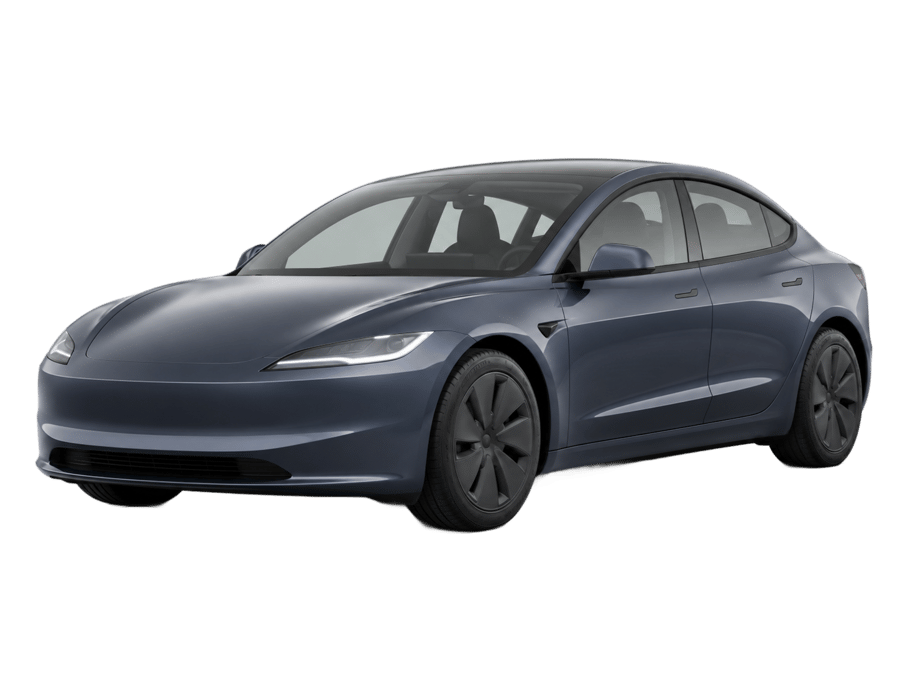
Complaint volume
982 consumer-submitted complaints are matched to this model year. Treat the count as a research signal, then read the actual summaries for repeated symptoms.
Complaint records
982 consumer-submitted complaints on record for the 2018 Tesla Model 3, grouped by component category.
Buyer interpretation
Complaint records are most useful when they turn into inspection points, seller questions, and comparison checks against nearby model years.
982 consumer-submitted complaints are matched to this model year. Treat the count as a research signal, then read the actual summaries for repeated symptoms.
The most common categories are suspension, unknown or other, forward collision avoidance. Use those categories as a test-drive checklist instead of judging the vehicle from the total count alone.
Enriched records include 100 crash reports, 4 fire reports, 34 injury reports, and 0 fatality reports. These fields come from complaint records and should be read in context.
Mileage is available on 219 complaints, with an average reported failure mileage of 25,782 miles. Compare that with the mileage on the listing.
Build a buyer checklist to turn these issues into questions and inspection points.
982 total complaints on record
| Date | Component | Summary | Severity | Mileage |
|---|---|---|---|---|
| Mar 2024 | FUEL/PROPULSION SYSTEM | Salt Lake City Tesla Service Center 801-401-4135 I purchased a 2018 Tesla Model 3 Long Range AWD, VIN [XXX] . The car’s battery and motor drive train units are still within the warranty. On [XXX], the car’s POWER CONVERSION SYSTEM (PCS) stopped working spontaneously, without any physical damage caused by the owner. The PCS is required to charge the car. A broken PCS rendered my car essentially unchargeable, thus undriveable, and unusable. The PCS is a critical component required for normal car function. Without a functioning PCS, you have a broken car. This is a SAFETY ISSUE because you can be stranded in the middle of nowhere without the ability to charge and safely extract yourself from inclement weather and environmental exposure. On [XXX], I transported the car all the way from Pocatello, the 169 miles to the nearest Tesla Service Center in Salt Lake City, UT, at my own expense. On [XXX], the car was diagnosed, and repaired. On [XXX], before paying for the repair, I spoke to the Tesla Service center manager because I felt this component failure should have been covered under the warranty because it represents a FAILURE of a CRITICAL COMPONENT. This is a safety risk, as I mentioned above. He expressed sympathy with my situation and said that broken PCS was a known issue in early Tesla Model 3’s. After doing some research, this is indeed the case, with many online complaints about a broken PCS in Tesla Model 3’s. He said he hoped Tesla would some day reconsider, and that a retroactive reimbursement was in the realm of possibility, as has been done in the past for various component failures in Tesla vehicles. Overall, my grievance with Tesla is that a broken PCS is a CRITICAL FAILURE of a component REQUIRED to have a functioning, chargeable car, and it is a component with a KNOWN HIGH RATE OF FAILURE in Tesla Model 3’s. This should be covered by the battery and drive train warranty. INFORMATION REDACTED PURSUANT TO THE FREEDOM OF INFORMATION ACT (FOIA), 5 U.S.C. 552(B)(6) | Crash: No Fire: No | Unknown |
| Mar 2024 | AIR BAGS,SEATS | I purchased the car new in 2018. About two years into owning there would be a random notification about an "rcm_a036 : passenger safety restraint system fault". I reported and was told that the seat occupancy sensor was responding to noise from my cell phone. I stopped putting the cell phone on the seat, it kept happening with increasing frequency in 2021 and 2022 and I reported it two more times and was told to keep charging cables away from the seat, and then in 2021, they added a noise filter. I was told repeatedly that the fault was caused by noise and was not a real issue. The alert occurred with increasing occurrence and today I took it in and Tesla charged $1533.16 to replace the airbag and the occupancy sensor. I thought it was unsafe for Tesla to tell me the issue is a noise-related issue when it was related to the airbag and to tell me that the issue was not actually a real fault when both the OCS sensor and the airbag needed to be replaced. I think it's absurd to have a car 6 years old with 66,530 miles have to have an airbag replaced. I thought Tesla's comments about noise were disingenuous attempts to put off the repair until after the car was out of warranty. | Crash: No Fire: No | Unknown |
| Mar 2024 | ELECTRICAL SYSTEM,UNKNOWN OR OTHER,LATCHES/LOCKS/LINKAGES | I am unable to open my rear passenger car door from the outside or the inside. Also the rear passenger door also lacks a manual release like the front doors have. This, coming off of [XXX] 's death, and Tesla's service apathy and insistence on first collecting money before solving this problem is incredibly dangerous. So I am now driving a death trap, and this is my only car, and Tesla should have to pay for the fix, yet they are insisting I pay for the full price because my car is now "out of warranty." But with this kind of LIFE-THREATENING failure of a door that should honestly just work, is reprehensible. INFORMATION REDACTED PURSUANT TO THE FREEDOM OF INFORMATION ACT (FOIA), 5 U.S.C. 552(B)(6) | Crash: No Fire: No | Unknown |
| Mar 2024 | STEERING,SUSPENSION,UNKNOWN OR OTHER | The front right lower control arm, sub frame, and bolt(s) failed causing unsafe driving conditions while myself and my kids were in the car. There is a recall on this part for many of the exact same year, make, and model as my car: NHTSA campaign ID: 23V235000. Tesla recall SB-23-31-001 (info pulled from NTSB site). My VIN wasn’t on the recall, but there is clearly an issue, so I was forced to pay for this. Please add my VIN so I can be reimbursed and also get the other side repaired for safety reasons. | Crash: No Fire: No | Unknown |
| Mar 2024 | SUSPENSION | Front control arm and ball joints have been replaced twice for the same issue and I have looked into a bunch of message board groups and it's a common issue. Ball joints and control arm wear and rust abnormally and unusually fast. It happens about every 2 to 2.5 years. | Crash: No Fire: No | Unknown |
| Mar 2024 | AIR BAGS,SEAT BELTS,SEATS | I'm getting an error for "Safety restraint system fault" on my Tesla Model 3. When I booked a service appointment it turns out they are wanting to charge $1,955.11 for replacing the Occupant Classification System (OCS) of the front passenger, updating the front passenger airbag, and installing a OCS filter module. This seems to be safety related and should be part of a recall. I have seen similar reports from other drivers on Reddit. | Crash: No Fire: No | Unknown |
| Mar 2024 | ELECTRICAL SYSTEM | The contact owns a 2018 Tesla Model 3. The contact was made aware of NHTSA Campaign Number: 21V00D000 (Electrical System, Visibility, Back Over Prevention). The contact attempted to schedule an appointment for a recall repair on the Tesla App however, the app displayed an error “Unnecessary to schedule an appointment; You will be notified when parts are available" since June of 2023. The local dealer was contacted but confirmed that the recall repair needed to be scheduled via the Tesla App. The contact attempted to reach out to the manufacturer but was unable to reach a representative. The contact had not experienced a failure. Parts distribution disconnect. | Crash: No Fire: No | Unknown |
| Mar 2024 | SEATS | Front passenger safety restraint system fault message due to workers not torquing the seat belts into place correctly or properly verifying specs during build. | Crash: No Fire: No | Unknown |
| Mar 2024 | AIR BAGS | Two recent incidents/repairs related to both driver and passenger Curtain Airbag, replacement of Occupant Classification System, replacement of first row seat cushions, first row harness assembly, first row occupancy sensor, first row seat belt reminder sensor box. Total out of pocket cost of approximately $2,075! | Crash: No Fire: No | Unknown |
| Mar 2024 | ELECTRICAL SYSTEM,BACK OVER PREVENTION | The contact owns a 2018 Tesla Model 3. The contact received notification of NHTSA Campaign Number: 21V00D000 (Electrical System, Visibility, Back Over Prevention), 23V838000 (Electrical System), and 24V051000 (Electrical System); however, the dealer stated that to perform the upgrades, the contact needed to purchase a new computer before the software could be updated. The contact called the manufacturer and was informed that it would be necessary to complete the updates. The contact stated that the manufacturer was unreasonable in determining that to complete the software updates that he needed to purchase a new computer. The contact stated that the back over prevention camera image intermittently was blank. Additionally, the on-board cabin camera ceased to function as needed, causing the autosteer feature to become inoperable. The failure mileage was approximately 130,000. Parts distribution disconnect. | Crash: No Fire: No | 130,000 |
| Mar 2024 | AIR BAGS | First. the car gives Front Restraint System Fault message and Tesla fixed during warranty. No, it's out of warranty, and the car starts giving Front Passenger Restraint System Fault warning message. Regardless if it's under warranty or not, restraint system fault (I take it as seat belt) imposes safety concern and should be a recall item. | Crash: No Fire: No | Unknown |
| Mar 2024 | AIR BAGS | Front passenger airbag and Seat sensor issues. The safety of front seat passenger was at risk due to faulty airbag or sensor. Tesla did confirmed that an alert was trigger on the car an they proceeded to replaced the airbag and sensor. Tesla verified the equipment after the repairs were done and everything since to be fine. We did get a warning on or around Feb 5th, 2024 and that when we proceeded to contact Tesla service and make an appointment. The reason for this complain is that we ended up paying for airbag and seat sensor repairs which should have been covered by Tesla since these parts are obviously defective. Please see uploaded documents for more details. | Crash: No Fire: No | Unknown |
| Feb 2024 | POWER TRAIN,ELECTRICAL SYSTEM,UNKNOWN OR OTHER | PTC Heater failed. This is a critical component that helps to maintain the battery's temperature within safe operating range. The only alternative is to replace this PTC Heater. Till the replacement is done, EVs battery may not maintain safe operating temperature range and could cause the car - not drive able. I consider this a significant safety risk. Cabin temperature cannot be maintained as well. Cause for PTC Heater failure is known - "change in temperature" could cause this item to fail per Tesla. i.e. when cold air blows over the heating element. Not sure if enough has been done to fix this from occurring for such a critical component with some hardware or hardware recall for several vehicles on the road. Else these cars must be considered for sales only for few states in the USA which have a stable operating temperature ranges for their PTC heaters to not run into the risk of failure due to big change in temperature. | Crash: No Fire: No | Unknown |
| Feb 2024 | POWER TRAIN,ELECTRICAL SYSTEM | The High Voltage Service Panel is part the battery which is part of the manufacturer warranty and drivetrain. A lot of Tesla cars had this problem and they are being charged $1800 to $2000 to “fix” this common failure. The problem is that the battery stop receiving the full amperage to charge the battery appropriately. In my case, I started charging more frequently on Superchargers during a long trip to different locations without a Level 2 homecharger and stopped several times into the Superchargers of Tesla. A diagram of the drivetrain and Battery system placed the High Voltage Service Panel as part of the battery. I had the problem since the past 2 years and did not fixed it, after I was sent an estimate cost of “repair”. I said that it was part of the battery system and they refused to accept it. As of 2024, I have search about this problem and most of the cars after 3-4 years are having the same problem. I am not sure what the repair consist of, but it might be a full battery replacement, and maybe opening the battery unit. In terms of safety, I feel unsafe about the possibility of the car catching fire during a supercharger session or even when plugged into my house Level 2 charger at 220 volts. Please inquire more about this frequently ongoing problem and safety, or any TSA related to this common issue. I included a picture found on the internet and the service panel is just on top of the battery | Crash: No Fire: No | Unknown |
| Feb 2024 | UNKNOWN OR OTHER | Horn stopped working. I see other people have this problem with Model 3. Tesla does not cover this after warranty period. | Crash: No Fire: No | Unknown |
| Feb 2024 | ELECTRICAL SYSTEM,UNKNOWN OR OTHER | The steering wheel horn stopped working about a month or so ago. I can use the Tesla app to make the horn sound but not by pressing the steering wheel. Fortunately, no safety of others or myself have been experienced. No one else has inspected it yet, though I am due to have my state inspection tomorrow and I don't think that it will pass. There were no warning lamps for messages prior to the failure. I think I first noticed that it wasn't working about a month or so ago. I reported the bug on the car texting service but have not heard from Tesla nor received a software update to fix the problem. | Crash: No Fire: No | Unknown |
| Feb 2024 | UNKNOWN OR OTHER | The rear camera often fails. Does this mean it is recording or not when driving. I think Tesla should have fixed this rear camera harness recall. I have been waiting over two years for this fix. It has been too long. Safety issues backing up or driving without the rear camera working properly. | Crash: No Fire: No | Unknown |
| Feb 2024 | SEATS | Get an error message - Front Passenger safety restraint system fault. - This is front passenger safety issue - This can put the front passenger to serious risk to injury or death - This message does not go away & Tesla acknowledges they need to fix it - Its not been inspected by police or insurance reps - Yes there is a warning message as noted above Tesla is failing to admit its their fault. They are giving me a quote of $2300 to fix this issue which I believe is a safety issue that Tesla did not manufacture properly leading to this issue. Please see the attached quote from Tesla - They need to "Update Front Passenger Airbag to Maintain Compatibility with Front Passenger Seat" and many other related fixes to get rid of this issue. TESLA SHOULD BE RECALLING VEHICLES FOR THIS SAFETY ISSUE! | Crash: No Fire: No | Unknown |
| Feb 2024 | POWER TRAIN,ELECTRICAL SYSTEM,FORWARD COLLISION AVOIDANCE | I don’t feel comfortable driving this car because it is unsafe when I am on autopilot on the highway it would randomly stop the car by breaking instantly out of nowhere when there isn’t any car in front of me?! Please give me another car that is more safe to drive!? | Crash: No Fire: No | Unknown |
| Feb 2024 | ELECTRICAL SYSTEM,FORWARD COLLISION AVOIDANCE,LANE DEPARTURE | While in FSD the car swerved to the left and hit a Tree. Youtube of the Crash.. [XXX] INFORMATION REDACTED PURSUANT TO THE FREEDOM OF INFORMATION ACT (FOIA), 5 U.S.C. 552(B)(6) | Crash: Yes Fire: No Towed | Unknown |
| Feb 2024 | ELECTRICAL SYSTEM | Vehicle touch screen will shut off while driving and take 5 minutes to reboot. I have taken it to Tesla multiple times since November and they said it’s a firmware issue and nothing is being done to resolve. | Crash: No Fire: No | Unknown |
| Feb 2024 | SUSPENSION | Full service history is detailed below. Since purchasing the Model 3 in April 2018, we have had three different instances of issues with control arms/suspension system. The most recent instance occurring this week (February 12, 2024) required the whole suspension system to be replaced with only 63,900 miles on the vehicle. The suspension system should not need replacing on a vehicle with only 63,900 miles on it. We have now had to pay Tesla $1,357.57 to continuously fix the issue with the suspension system on a car that is not even 6 years old with less than 64,000 miles on it. During an interaction with a Tesla technician for the second instance noted below, we were told that Tesla undersized the control arm leading to failures. He commented that they replace control arms on Model 3s on nearly a daily basis. This is clear negligence by Tesla and we would urge the NTSB to take immediate action. I know we are not the only Tesla Model 3 owners that have experienced control arm/suspension issues. Car Purchase Date: 4/7/2018, ~25 miles on vehicle Service Visit 1 on 7-23-2021 Odometer 42,790 Cause for visit: Creaking noise when turning or going over bumps Items replaced: 1) Front Upper Control Arm Left Parts = $0 (under warranty) Labor = $0 (under warranty) Service Visit 2 on 8-25-2022 Odometer 51,321 Cause for visit: Creaking noise when turning or going over bumps Note: Was told by service technician that Tesla undersized the control arm leading to failures. Commented that they replace control arms on Model 3's on nearly a daily basis. Items replaced: 1) Front Upper Control Arm Right Parts = $92.48 Labor = $0 Service Visit 3 on 2-12-2024 Odometer 63,898 Cause for visit: Car violently shudders when turning and felt like the front end side was going to collapse one time on a turn Items Replaced 1) 2x Lower Lateral Link Front - 2) 2x Lower Compliance Link - 3) Front Upper Control Arm Left Parts = $1019.99 Labor = $245.10 | Crash: No Fire: No | Unknown |
| Feb 2024 | WHEELS | Tesla Model 3 Performance (M3P) comes with unrealistic "thin" wall tires on 20" wheels that easily POP when they hit potholes, nails, gutters, median divides, gashes in the road, etc. American roads are poorly maintained if at all by transportation departments. Only thick walled tires are suitable for roads. Tesla Model 3 LR (Long Range) and SR (Standard Range) comes with 18" wheels and tires, giving it 2 inches more of padding for both a smoother ride and fewer replacements. Each tire on my M3P costs $400-$500 to replace! That's around $2,000 for a set of four tires! Whereas 18 inch tires are more common and cost about half of that, about $200 per tire, $800 for a set. The remedy here is at least 19 inch wheel and tire replacements as a recall provided for free by Tesla to provide more padding and fewer tire replacements to deal with typical crappy roads. | Crash: No Fire: No | Unknown |
| Feb 2024 | FORWARD COLLISION AVOIDANCE,LANE DEPARTURE | I got a recall notice from Tesla and Tesla is still in safety violation and is refusing to fix the issue, so I need your help to force Tesla to fix their abusive ways. The recall 23V-838 is related to "when Autosteer is engaged". Autosteer/Autopilot/FSD now DISABLES even when NOT engaged, alleging "improper use" when it wasn't even being used. It also disengages Autosteer/Autopilot/FSD while driving if it detects "improper use" (even if it's detection system itself is buggy), forcing the car to slow down like in the middle of the freeway! When the battery is low and there's only a mile or two to go to a charger, the software will slow down and force the car to pull over to get a tow, taking on average 2 hours to get a tow truck to go 2 miles, rather than allowing the driver to reach the charger with the remaining battery it shows. Tesla keeps changing the battery percentage for when it shuts down. It used to be 0%, then 3% and recently 6%. This randomness creates "range anxiety" and distrust in the battery percentage being a useful indicator. Tesla should use 0% as "shut down" and leave the rest of the battery as "drivable" to reach a charger to have an accurate indicator. It also flashes alerts on the SCREEN to "Pay attention to the road", which is ironic to have a screen display to distract attention to the screen... rather than pay attention to the road. Tesla took AWAY my Autosteer/Autopilot improperly, and no one in the Service Center or Support at Tesla knows how to fix this BUG or give it BACK to me, so I can drive SAFELY like with lane centering. I paid $10,000 for this "safety" that Tesla takes away at random, claiming they can do whatever they want because they've now labeled it BETA software! This is an abusive practice the NHTSA should force Tesla to stop doing and give the power back to responsible drivers like me. Tesla abuser names include [XXX] and [XXX] . Teslas also don't detect cars in blind spots and still phantom brakes. INFORMATION REDACTED PURSUANT TO THE FREEDOM OF INFORMATION ACT (FOIA), 5 U.S.C. 552(B)(6) | Crash: No Fire: No | Unknown |
| Feb 2024 | SEAT BELTS | On Feb 12 2024 the error code RCM_a021 appeared. “Front left safety restraint system fault Service is required.” The service center confirmed that it was an issue related to seatbelt safety during a crash. They said “The specific part that would fail in this case would be the seatbelt pretensioner. When in an impact this deploys and pulls the seatbelt tightly against the driver. This will likely not deploy in an accident if not repaired as the wires going to this component are broken. We are replacing it with a new updated part that will not wear and have this same issue.” Although a known safety issue, it was NOT a repair under warranty. I am putting in this claim and appeal that it should be an under warranty repair. Parts and Labor for 1 seatbelt assembly replacement would have been $450. As it is a known safety issue, I opted to proactively repair both front seat seatbelt assemblies so the cost increased to $650. The cost estimate is attached. Also attached is the text communications with Tesla service center. | Crash: No Fire: No | Unknown |