Vehicle report

2020 GMC Sierra

Recalls, consumer complaints, safety ratings, fuel cost estimate, and next steps from official public data sources.
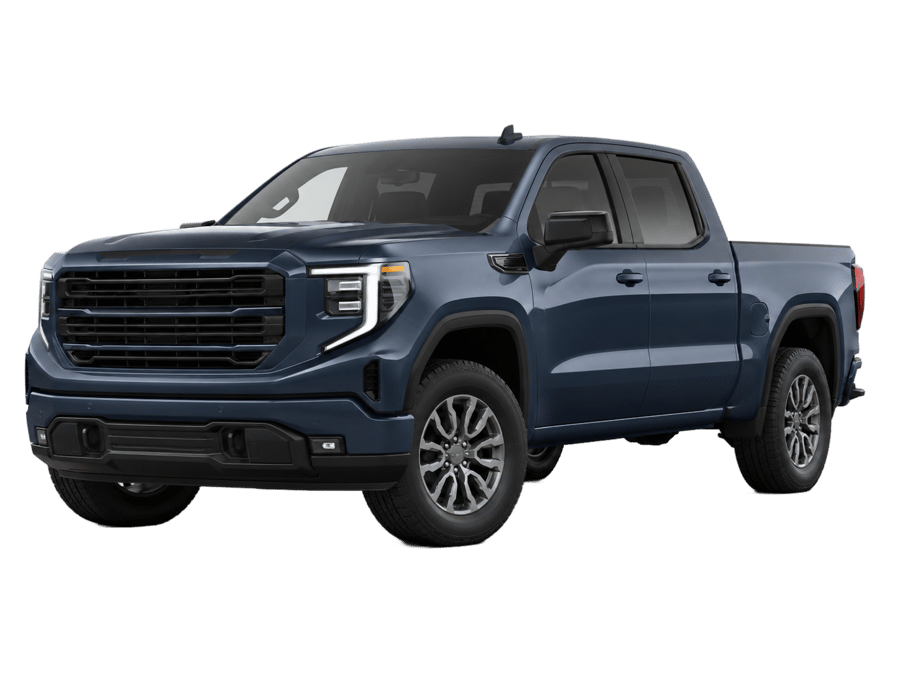
2020 GMC Sierra
12 Total recalls
Feb 12, 2026 Latest recall date
424 Complaint reports
$3,013 Estimated fuel cost
Quick answer: The 2020 GMC Sierra has 12 official recalls and 424 consumer complaints in our database. The latest recall date is Feb 12, 2026. The most common complaint categories include engine, power train, electrical system. Estimated annual fuel cost is $3,013 based on the current calculator assumptions.

Buyer interpretation

What this record means before you buy

The useful question is not just whether this page has records. It is what those records should make you verify before money changes hands.

Recall homework

There are 12 official recalls listed for this model year. Before buying, use the VIN to confirm which campaigns are still open and ask for dealer repair records on completed work.

Owner complaint pattern

Owner complaints most often mention engine, power train, electrical system. Scan those categories before the test drive so you know what symptoms, warning lights, or service history to ask about.

Open investigation signal

2 federal defect investigations are still open. That is not a recall, but it is worth reading before assuming the issue is settled.

Ownership-cost check

The fuel-cost estimate is based on a representative EPA match, not every trim. Confirm the actual engine, drivetrain, and tire setup before comparing this listing with another year or model.

Questions to ask the seller

  • Can you show the current VIN recall status for this 2020 GMC Sierra?
  • Do you have dealer invoices or campaign paperwork for the listed recall repairs?
  • Have you noticed any issues related to engine, power train, electrical system?
  • Can I review recent maintenance records before the test drive?
Used-car checklist

Thinking of buying this vehicle?

Use our buyer checklist to know what to inspect, ask, and verify before the test drive.

2020 GMC Sierra Regular Gasoline
Create checklist Compare with other years Sends year, make, and model to pre-fill your checklist.

Safety ratings

Official safety ratings were found for 6 tested variants of the 2020 GMC Sierra.

Overall 5/5 stars
Frontal crash 4/5 stars
Side crash 5/5 stars
Rollover 4/5 stars

Displayed variant: 2020 GMC Sierra 1500 PU/EC 2WD ; rollover risk 19.1%

Safety ratings can vary by tested body style, trim, drivetrain, or variant. Do not assume every trim has the same rating unless the official record says so.
Variant Overall Front Side Rollover
2020 GMC Sierra 1500 PU/EC 2WD Default 5/5 stars 4/5 stars 5/5 stars 4/5 stars
2020 GMC Sierra 1500 PU/EC 4WD 5/5 stars 4/5 stars 5/5 stars 4/5 stars
2020 GMC Sierra 1500 PU/RC 2WD 5/5 stars 4/5 stars 5/5 stars 4/5 stars
2020 GMC Sierra 1500 PU/RC 4WD 5/5 stars 4/5 stars 5/5 stars 4/5 stars
2020 GMC Sierra 1500 PU/CC 2WD 4/5 stars 4/5 stars 5/5 stars 4/5 stars
2020 GMC Sierra 1500 PU/CC 4WD 4/5 stars 4/5 stars 5/5 stars 4/5 stars

How many recalls does the 2020 GMC Sierra have?

Verify with official VIN lookup

12 official recalls on record for the 2020 GMC Sierra. 80 matched quarterly completion reports are available.

Latest recall: February 12, 2026

Recall data is based on official records. This page is not an official VIN recall check. Always confirm open recalls with an official VIN lookup, the manufacturer, or an authorized dealer. Completion reports are campaign-level, delayed, and not VIN-specific.
Campaign Component Summary Consequence Remedy Date Completion
26V083000 POWER TRAIN:AUTOMATIC TRANSMISSION:CONTROL MODULE:SOFTWARE General Motors, LLC is recalling certain 2020 Chevrolet Silverado 2500, 3500, GMC Sierra 2500, 3500, and 2020-2022 Chevrolet Silverado 1500 and GMC Sierra 1500 vehicles that may have been repaired incorrectly under recall 24V797. The transmission control valve may fail and cause the rear wheels to lock up. Rear wheel lock up increases the risk of a crash. Dealers will inspect the vehicles and update the transmission control software, free of charge. Owner notification letters were mailed March 6, 2026. Owners may contact GMC customer service at 1-800-462-8782 or Chevrolet customer service at 1-800-222-1020. GM's number for this recall is N252516560. Vehicle Identification Numbers (VINs) involved in this recall became searchable on NHTSA.gov on February 12, 2026. Feb 2026 2026-1
262 remedied / 1,055 involved (24.8%)
24V797000 POWER TRAIN:AUTOMATIC TRANSMISSION:CONTROL MODULE:SOFTWARE General Motors, LLC (GM) is recalling certain 2020-2022 Chevrolet Silverado 1500, 2500, 3500, GMC Sierra 1500, 2500, 3500, 2021 Cadillac Escalade, Escalade ESV, Chevrolet Tahoe, Suburban, GMC Yukon, and Yukon XL vehicles equipped with diesel engines. The transmission control valve may fail and cause the rear wheels to lock-up. Rear wheel lock-up can increase the risk of a crash. Dealers will install new transmission control module software, free of charge. GM will provide a special coverage program to cover the repair of transmissions that are identified by the remedy software as containing a defective control valve. Owner notification letters were mailed December 12, 2024. Owners may contact GM customer service at 1-888-988-7267, Cadillac customer service at 1-800-458-8006, GMC customer service at GMC 1-800-462-8782 or Chevrolet customer service at 1-800-222-1020. GM's number for this recall is N242454440. Oct 2024 2026-1
340,568 remedied / 463,295 involved (73.5%)
21V985000 TIRES:TEMPORARY/EMERGENCY SPARE TIRE General Motors (GM) is recalling certain 2019-2021 GMC Sierra 1500 and Silverado 1500 vehicles equipped with certain accessory road tires and a 17" spare tire. The 17" spare tire provided with the vehicle is not compatible for use with the accessory wheels, which can cause the anti-lock brake system (ABS) to not function properly under certain conditions. An ABS system that does not function properly can increase the risk of a crash. Dealers will provide a new 17" spare tire and wheel assembly that is compatible with the accessory wheels, free of charge. Dealers will also apply a new spare tire information label, and provide owners with an owner's manual insert clarifying which spare tire to use with the accessory road tires and with the 17" original tires. Owner notification letters were mailed February 7, 2022. Owners may contact GM customer service at 1-800-462-8782 or GMC customer service at 1-800-462-8782. GM's number for this recall is N212346510. Dec 2021 2023-4
330 remedied / 626 involved (52.7%)
21V115000 TIRES General Motors LLC (GM) is recalling certain 2020 Buick Enclave, Cadillac XT4, XT5, Escalade, Escalade ESV, Chevrolet Suburban, Tahoe, Traverse, GMC Yukon, Yukon XL, 2018-2021 Chevrolet Express, GMC Savana, 2019-2020 Chevrolet Blazer, Silverado 1500, GMC Acadia, Sierra 1500, and certain Continental tires sold to the aftermarket for various model year 2018-2021 vehicles. The affected tires were cured for too long during production. Over cured tires may develop a break in the sidewall resulting in sudden air loss or a belt edge separation which could lead to a tread/belt loss. Either condition can cause a loss of vehicle control, increasing the risk of a crash. GM will notify owners, and dealers will inspect the tires, replacing them as necessary, free of charge. The recall began March 22, 2021. Owners may contact GMC customer service at 1-888-988-7267, Buick customer service at 1-866-608-8080, Chevrolet customer service at 1-800-222-1020 or Cadillac customer service at 1-800-458-8006. GM's number for this recall is N212329050. Feb 2021 2022-4
25,286 remedied / 33,838 involved (74.7%)
20V792000 SEAT BELTS General Motors, LLC (GM) is recalling certain 2019-2021 Chevrolet Silverado 1500 and GMC Sierra 1500, 2021 Chevrolet Suburban and Tahoe and GMC Yukon XL and 2020-2021 Chevrolet Silverado 2500 and 3500 and GMC Sierra 2500 and 3500 vehicles. The seat belt brackets may not be secured to the seat frame in the front-row center seating position. If a seat-belt bracket is not secured, the seat belt may not properly restrain an occupant in the front-row center seat position, increasing the risk of injury in a crash. GM will notify owners, and dealers will inspect left-side and right-side front-row center seat-belt bracket attachments and reassemble it correctly as necessary, free of charge. The recall began January 26, 2021. Owners may contact GMC customer service at 1-800-462-8782, Chevrolet customer service at 1-800-222-1020. GM's number for this recall is N202314670. Dec 2020 2022-4
508,277 remedied / 624,216 involved (81.4%)
20V684000 TIRES General Motors LLC (GM) is recalling certain 2020 Buick Enclave, Cadillac XT5, GMC Acadia and Chevrolet Traverse vehicles and 2020-2021 Chevrolet Silverado 1500, GMC Sierra 1500 vehicles. The vehicles may have been manufactured with Continental tires that were overcured. Overcured tires may experience a carcass break in the sidewall resulting in a sudden air loss or could develop a belt edge separation which could lead to partial or full tread/belt loss. Either condition increases the risk of a crash. GM will notify owners, and dealers will inspect vehicles and replace tires that have DOT number and production mold number combinations identified by Continental, free of charge. The recall began December 17, 2020. Owners may contact GMC customer service at 1-888-988-7267, Buick customer service at 1-866-608-8080, Chevrolet customer service at 1-800-222-1020 or Cadillac customer service at 1-800-458-8006. GM's number for this recall is N202319030. Nov 2020 2022-3
6,855 remedied / 7,516 involved (91.2%)
20V650000 POWER TRAIN:DRIVELINE:DRIVESHAFT General Motors LLC (GM) is recalling certain 2019-2020 Chevrolet Silverado 1500 and GMC Sierra 1500 and 2020 Chevrolet Silverado 2500 trucks. One of the driveshaft joints may not have been properly welded, causing the driveshaft to separate while the vehicle is moving. If the driveshaft separates, there may be a loss of propulsion, increasing the risk of crash. GM will notify owners, and dealers will replace the driveshaft, free of charge. The recall is expected to begin December 2020. Owners may contact Chevrolet customer service at 1-800-222-1020 or GMC customer service at 1-888-988-7267. GM's number for this recall is N202314870. Oct 2020 2022-3
37 remedied / 42 involved (88.1%)
20V446000 AIR BAGS:SIDE/WINDOW:CURTAIN:INFLATOR General Motors, LLC. (GM) is recalling certain 2020 Buick Enclave, Cadillac XT5 and XT6, Chevrolet Blazer, Silverado 1500, 2500 and 3500 and Traverse and GMC Acadia and Sierra 1500, 2500 and 3500 vehicles. The diffuser component of the Roof-Rail Air Bag (RRAB) inflator may not have been properly crimped to the inflator and could separate from the inflator during air bag deployment. If the diffuser separates from the inflator during deployment, RRAB performance may be degraded, increasing the risk of injury in a crash. GM will notify owners, and dealers will replace the suspect RRAB modules, free of charge. The recall began September 3, 2020. Owners may contact Chevrolet customer service at 1-800-630-2438, Cadillac customer service at 1-800-333-4223, or Buick customer service at 1-800-521-7300. GM's number for this recall is N202305380. Jul 2020 2022-2
629 remedied / 769 involved (81.8%)
20V116000 SERVICE BRAKES, HYDRAULIC:FOUNDATION COMPONENTS:DISC:CALIPER General Motors LLC (GM) is recalling certain 2020 Chevrolet Silverado 1500 and GMC Sierra 1500 vehicles. The bolts used to attach the front and/or rear brake calipers may have not been heat treated and may break under load. Broken caliper bolts can reduce brake performance or interfere with wheel rotation and increase the risk of a crash. GM will notify owners, and dealers will replace the brake caliper bolts, free of charge. The recall began March 23, 2020. Owners may contact Chevrolet customer service at 1-800-222-1020 or GMC customer service at 1-866-522-9559. GM's number for this recall is N202294420. Feb 2020 2021-2
19,592 remedied / 20,352 involved (96.3%)
19V888000 ELECTRICAL SYSTEM:12V/24V/48V BATTERY:CABLES General Motors LLC (GM) is recalling certain 2019-2020 Chevrolet Silverado 1500 and GMC Sierra 1500 trucks. The battery positive (B+) cable rings may have been manufactured with excessive glue, potentially causing an intermittent electrical connection between the B+ cable and alternator. An intermittent electrical connection between the B+ battery cable and the alternator could cause the vehicle to stall, increasing the risk of a crash. The intermittent connection could also lead to electrical arcing, which could generate sufficient heat to damage surrounding material, increasing the risk of a fire. GM will notify owners, and dealers will inspect for the presence of glue or other contamination at the B+ cable attachment to the alternator and clean the connection and reattach the B+ cable connection, as necessary. If arcing has damaged the cable, nut, or alternator, the dealer will replace the damaged components. All services will be performed free of charge. GM issued owners an interim notification on February 4, 2020. GM issued second notice and the recall began March 9, 2019. Owners may contact Chevrolet customer service at 1-800-222-1020 or GMC customer service at 1-888-988-7267. GM's number for this recall is N192273510. Dec 2019 2021-2
333,125 remedied / 350,371 involved (95.1%)
19V837000 FUEL SYSTEM, GASOLINE:DELIVERY:FUEL PUMP General Motors LLC (GM) is recalling certain 2020 Cadillac Escalade, Escalade ESV, Chevrolet Camaro, Silverado 1500, Suburban, Tahoe, GMC Sierra 1500, Yukon, and Yukon XL vehicles. The fuel pump may be missing a pressure regulator, allowing for over-pressurization of the fuel system. Over-pressurization can crack the fuel pump and cause leaks, increasing the risk of a fire in the presence of an ignition source. GM will notify owners, and dealers will replace the fuel pump, free of charge. The recall began December 18, 2019. Owners may contact Cadillac customer service at 1-800-333-4223, Chevrolet customer service at 1-800-222-1020, or GMC customer service at 1-888-988-7267. GM's number for this recall is N192283991. Nov 2019 2021-1
483 remedied / 502 involved (96.2%)
19V814000 SEAT BELTS:PRETENSIONER General Motors LLC (GM) is recalling certain 2019-2020 Chevrolet Silverado 1500 and GMC Sierra 1500, and 2020 Silverado 2500, Silverado 3500, Sierra 2500, and Sierra 3500 vehicles equipped with carpet floor covering. When the front seat belt pretensioners deploy, hot gas may vent through an opening in the pretensioner bracket, possibly igniting the carpet. A vehicle fire could result if materials ignite inside the vehicle. GM will notify owners, and dealers will close off the opening in the pretensioner bracket, free of charge. The recall began December 13, 2019. Owners may contact Chevrolet customer service at 1-800-222-1020 or GMC customer service at 1-888-988-7267. GM's number for this recall is N192270600. Nov 2019 2021-2
530,461 remedied / 556,399 involved (95.3%)

Are there federal defect investigations for the 2020 GMC Sierra?

Official records show 16 federal defect investigations matched to the 2020 GMC Sierra.

2 open 14 closed
Investigations are not recalls. They show official defect reviews and may close without a recall, or may reference a related campaign when one exists.
Action Status Component Subject Opened Related recall
EA25007 Open ENGINE Loss of motive power due to engine failure
The Office of Defects Investigation (ODI) has received 1,157 reports of engine bearing failure failures in the L87 6.2L engine produced by General Motors (GM). Of the 1,157 reports received, 173 are outside of the scope of recall 25V-274. These engines are installed in Model Years (MY) 2019–2024 Chevrolet Silverado 1500 and GMC Sierra 1500, and 2021-2024MY Chevrolet Suburban and Tahoe, GMC Yukon/Yukon XL, and Cadillac Escalade/Escalade ESV vehicles. The subject engine failures were investigated as part of a Preliminary Evaluation (PE25001).  GM determined that these engine failures were due to multiple supplier manufacturing and quality issues. GM issued recall 25V-274 to address the supplier manufacturing and quality issues produced between March 1, 2021, and May 31, 2024. Based on the issuance of recall 25V-274, NHTSA has closed PE25001. ODI continues to receive a significant number of reports of engine failure in vehicles outside the scope of 25V-274.  This presents a potential safety risk that warrants further investigation.  ODI is opening this Engineering Analysis (EA) to further evaluate the scope and severity of the potential problem and to fully assess the potential safety-related issues of vehicles built outside the recall scope. To review the ODI reports cited in the Opening Resume ODI Report Identification Number document, go to NHTSA.gov.
Oct 2025 None
EA25007 Open ENGINE AND ENGINE COOLING:ENGINE:HARD PARTS INTERNAL/MECHANICAL Loss of motive power due to engine failure
The Office of Defects Investigation (ODI) has received 1,157 reports of engine bearing failure failures in the L87 6.2L engine produced by General Motors (GM). Of the 1,157 reports received, 173 are outside of the scope of recall 25V-274. These engines are installed in Model Years (MY) 2019–2024 Chevrolet Silverado 1500 and GMC Sierra 1500, and 2021-2024MY Chevrolet Suburban and Tahoe, GMC Yukon/Yukon XL, and Cadillac Escalade/Escalade ESV vehicles. The subject engine failures were investigated as part of a Preliminary Evaluation (PE25001).  GM determined that these engine failures were due to multiple supplier manufacturing and quality issues. GM issued recall 25V-274 to address the supplier manufacturing and quality issues produced between March 1, 2021, and May 31, 2024. Based on the issuance of recall 25V-274, NHTSA has closed PE25001. ODI continues to receive a significant number of reports of engine failure in vehicles outside the scope of 25V-274.  This presents a potential safety risk that warrants further investigation.  ODI is opening this Engineering Analysis (EA) to further evaluate the scope and severity of the potential problem and to fully assess the potential safety-related issues of vehicles built outside the recall scope. To review the ODI reports cited in the Opening Resume ODI Report Identification Number document, go to NHTSA.gov.
Oct 2025 None
PE25001 Closed ENGINE AND ENGINE COOLING:ENGINE:HARD PARTS INTERNAL/MECHANICAL Loss of motive power due to engine failure
On January 16, 2025, the Office of Defects Investigation (ODI) opened Preliminary Evaluation PE25001 after receiving complaints and field reports concerning engine failures in MY2019-2024 GM’s full-size truck and SUV T1XX platform equipped with the L87 6.2L V8 engine. These complainants alleged engine bearing failures resulting in knocking and growling noises from the engine’s bottom end and in some cases more severe consequences such as broken connecting rods leading to engine damage, or engine failure. If the engine fails during vehicle operation, the vehicle will lose propulsion, increasing the risk of a crash. On April 24, 2025, GM issued recall 25V-274 to address the concern with L87 engines produced between March 1, 2021, and May 31, 2024.  GM cited the root cause as a supplier manufacturing and quality issues. GM’s  recall remedy will be either an oil change to an oil with a different viscosity or engine replacement depending on the results of the remedy inspection procedure. To date, ODI has received 1,157 allegations of engine bearing failure. GM submitted 55,464 reports in total, with 29,752 unique VINs. ODI continues to receive allegations of L87 engine failures which fall outside of the scope of recall 25V-274. Based on GM’s recall, ODI will close this PE. NHTSA will continue to investigate complaints of engine failure outside the scope of recall 25V-274 as part ofEngineering Analysis (EA25007). To review the ODI reports cited in the Closing Resume ODI Report Identification Number document, go to NHTSA.gov.
Jan 2025
Closed Oct 2025
25V274
PE25001 Closed ENGINE Loss of motive power due to engine failure
On January 16, 2025, the Office of Defects Investigation (ODI) opened Preliminary Evaluation PE25001 after receiving complaints and field reports concerning engine failures in MY2019-2024 GM’s full-size truck and SUV T1XX platform equipped with the L87 6.2L V8 engine. These complainants alleged engine bearing failures resulting in knocking and growling noises from the engine’s bottom end and in some cases more severe consequences such as broken connecting rods leading to engine damage, or engine failure. If the engine fails during vehicle operation, the vehicle will lose propulsion, increasing the risk of a crash. On April 24, 2025, GM issued recall 25V-274 to address the concern with L87 engines produced between March 1, 2021, and May 31, 2024.  GM cited the root cause as a supplier manufacturing and quality issues. GM’s  recall remedy will be either an oil change to an oil with a different viscosity or engine replacement depending on the results of the remedy inspection procedure. To date, ODI has received 1,157 allegations of engine bearing failure. GM submitted 55,464 reports in total, with 29,752 unique VINs. ODI continues to receive allegations of L87 engine failures which fall outside of the scope of recall 25V-274. Based on GM’s recall, ODI will close this PE. NHTSA will continue to investigate complaints of engine failure outside the scope of recall 25V-274 as part ofEngineering Analysis (EA25007). To review the ODI reports cited in the Closing Resume ODI Report Identification Number document, go to NHTSA.gov.
Jan 2025
Closed Oct 2025
25V274
PE21010 Closed AIR BAGS:FRONTAL Air Bag Malfunction
On April 9, 2021, the Office of Defects Investigations (ODI) opened PE21-010 to investigate instances of air bag malfunction indicator light (MIL) illumination and potential for frontal air bag non-deployment in several vehicles manufactured by General Motors (GM). The vehicles included model year (MY) 2020 through 2021 CT4 and CT5 passenger cars, Sierra and Silverado trucks (1500/2500/3500 models), XT4 and MY 2021 Escalade, Suburban, Tahoe, Yukon SUVs.Technical Service Bulletin (TSB) 21-NA-005, issued in March 2021, addresses air bag MIL illumination with diagnostic trouble codes (DTCs) B0001-1B or B0012-0D. It cites rust particles in the connection terminal interface of the driver air bag inflator housing as the cause of the air bag MIL illumination. Illumination of the air bag MIL under these circumstances may result in a non-deployment of the frontal driver air bag during a frontal collision and increased risk of injury to the driver.GM stated a correlation exists between production delays due to the pandemic shutdown and premature corrosion initiation on the surface of the air bag inflator housing, which, in some cases, caused rust development during a seven (7) month period of vehicle production. In the rare instance when a rust particle dislodges from the driver air bag inflator housing and enters the air bag connector prior to assembly, an intermittent resistance spike at the air bag connector may result. The condition generates excessive resistance in the air bag electrical system when the steering wheel horn cover is manipulated or the steering wheel is turned. This excessive resistance is momentary. A crash commanding air bag deployment would need to occur exactly when the momentary excessive resistance occurs. Thus, there is a very low likelihood the hazard will present a risk during a crash of sufficient severity to warrant a commanded deployment. This failure mechanism occurs early in life and results in an air bag MIL illumination that corresponds to a DTC warning the driver that the vehicle requires service. The vehicle's air bag remains functional while the MIL is illuminated, and the DTC is present.Once the connection of the driver air bag module to the clockspring is made at the plant, or at the dealership for service, there is no longer an opportunity for rust migration into the connection point. The connector is sealed and has gold terminals, eliminating the expectation of fretting corrosion. All subject vehicles passed standard corrosion validation testing for extensive corrosion with no issue of air bag non-deployment.There is a low rate of occurrence: 1.41 incidents per thousand vehicles (IPTV) for all related occurrences, and 0.04 IPTV for occurrences with a mention of visible rust and/or corrosion on the air bag inflator housing. The average occurrence mileage for the subject vehicles is approximately 2,100. Every occurrence related to the alleged defect experienced an air bag MIL illumination and there are no verified allegations of air bag non-deployment within all data sources.To date, there have been no reported fires, crashes, injuries, or fatalities related to this issue. In view of the low rate, and the nature of early-life failure, the high detectability of failures, and low potential hazard to drivers, this Preliminary Evaluation (PE) is closed. The closing of this investigation does not constitute a finding by NHTSA that a safety-related defect does not exist. The agency reserves the right to take additional action if warranted by new circumstances.Review the ODI reports cited above at nhtsa.gov under the following identification numbers: 11537927, 11528888, 11525020, 11521401, 11506057, 11493107, 11486767, 11441525, 11433146, 11425658, 11423440, 11385267, 11376429, 11373466, 11366995.
Apr 2021
Closed Aug 2023
None
PE21010 Closed AIR BAGS Air Bag Malfunction
On April 9, 2021, the Office of Defects Investigations (ODI) opened PE21-010 to investigate instances of air bag malfunction indicator light (MIL) illumination and potential for frontal air bag non-deployment in several vehicles manufactured by General Motors (GM). The vehicles included model year (MY) 2020 through 2021 CT4 and CT5 passenger cars, Sierra and Silverado trucks (1500/2500/3500 models), XT4 and MY 2021 Escalade, Suburban, Tahoe, Yukon SUVs.Technical Service Bulletin (TSB) 21-NA-005, issued in March 2021, addresses air bag MIL illumination with diagnostic trouble codes (DTCs) B0001-1B or B0012-0D. It cites rust particles in the connection terminal interface of the driver air bag inflator housing as the cause of the air bag MIL illumination. Illumination of the air bag MIL under these circumstances may result in a non-deployment of the frontal driver air bag during a frontal collision and increased risk of injury to the driver.GM stated a correlation exists between production delays due to the pandemic shutdown and premature corrosion initiation on the surface of the air bag inflator housing, which, in some cases, caused rust development during a seven (7) month period of vehicle production. In the rare instance when a rust particle dislodges from the driver air bag inflator housing and enters the air bag connector prior to assembly, an intermittent resistance spike at the air bag connector may result. The condition generates excessive resistance in the air bag electrical system when the steering wheel horn cover is manipulated or the steering wheel is turned. This excessive resistance is momentary. A crash commanding air bag deployment would need to occur exactly when the momentary excessive resistance occurs. Thus, there is a very low likelihood the hazard will present a risk during a crash of sufficient severity to warrant a commanded deployment. This failure mechanism occurs early in life and results in an air bag MIL illumination that corresponds to a DTC warning the driver that the vehicle requires service. The vehicle's air bag remains functional while the MIL is illuminated, and the DTC is present.Once the connection of the driver air bag module to the clockspring is made at the plant, or at the dealership for service, there is no longer an opportunity for rust migration into the connection point. The connector is sealed and has gold terminals, eliminating the expectation of fretting corrosion. All subject vehicles passed standard corrosion validation testing for extensive corrosion with no issue of air bag non-deployment.There is a low rate of occurrence: 1.41 incidents per thousand vehicles (IPTV) for all related occurrences, and 0.04 IPTV for occurrences with a mention of visible rust and/or corrosion on the air bag inflator housing. The average occurrence mileage for the subject vehicles is approximately 2,100. Every occurrence related to the alleged defect experienced an air bag MIL illumination and there are no verified allegations of air bag non-deployment within all data sources.To date, there have been no reported fires, crashes, injuries, or fatalities related to this issue. In view of the low rate, and the nature of early-life failure, the high detectability of failures, and low potential hazard to drivers, this Preliminary Evaluation (PE) is closed. The closing of this investigation does not constitute a finding by NHTSA that a safety-related defect does not exist. The agency reserves the right to take additional action if warranted by new circumstances.Review the ODI reports cited above at nhtsa.gov under the following identification numbers: 11537927, 11528888, 11525020, 11521401, 11506057, 11493107, 11486767, 11441525, 11433146, 11425658, 11423440, 11385267, 11376429, 11373466, 11366995.
Apr 2021
Closed Aug 2023
None
PE21010 Closed AIR BAGS:SRS MALFUNCTION WARNING LAMP/LIGHT Air Bag Malfunction
On April 9, 2021, the Office of Defects Investigations (ODI) opened PE21-010 to investigate instances of air bag malfunction indicator light (MIL) illumination and potential for frontal air bag non-deployment in several vehicles manufactured by General Motors (GM). The vehicles included model year (MY) 2020 through 2021 CT4 and CT5 passenger cars, Sierra and Silverado trucks (1500/2500/3500 models), XT4 and MY 2021 Escalade, Suburban, Tahoe, Yukon SUVs.Technical Service Bulletin (TSB) 21-NA-005, issued in March 2021, addresses air bag MIL illumination with diagnostic trouble codes (DTCs) B0001-1B or B0012-0D. It cites rust particles in the connection terminal interface of the driver air bag inflator housing as the cause of the air bag MIL illumination. Illumination of the air bag MIL under these circumstances may result in a non-deployment of the frontal driver air bag during a frontal collision and increased risk of injury to the driver.GM stated a correlation exists between production delays due to the pandemic shutdown and premature corrosion initiation on the surface of the air bag inflator housing, which, in some cases, caused rust development during a seven (7) month period of vehicle production. In the rare instance when a rust particle dislodges from the driver air bag inflator housing and enters the air bag connector prior to assembly, an intermittent resistance spike at the air bag connector may result. The condition generates excessive resistance in the air bag electrical system when the steering wheel horn cover is manipulated or the steering wheel is turned. This excessive resistance is momentary. A crash commanding air bag deployment would need to occur exactly when the momentary excessive resistance occurs. Thus, there is a very low likelihood the hazard will present a risk during a crash of sufficient severity to warrant a commanded deployment. This failure mechanism occurs early in life and results in an air bag MIL illumination that corresponds to a DTC warning the driver that the vehicle requires service. The vehicle's air bag remains functional while the MIL is illuminated, and the DTC is present.Once the connection of the driver air bag module to the clockspring is made at the plant, or at the dealership for service, there is no longer an opportunity for rust migration into the connection point. The connector is sealed and has gold terminals, eliminating the expectation of fretting corrosion. All subject vehicles passed standard corrosion validation testing for extensive corrosion with no issue of air bag non-deployment.There is a low rate of occurrence: 1.41 incidents per thousand vehicles (IPTV) for all related occurrences, and 0.04 IPTV for occurrences with a mention of visible rust and/or corrosion on the air bag inflator housing. The average occurrence mileage for the subject vehicles is approximately 2,100. Every occurrence related to the alleged defect experienced an air bag MIL illumination and there are no verified allegations of air bag non-deployment within all data sources.To date, there have been no reported fires, crashes, injuries, or fatalities related to this issue. In view of the low rate, and the nature of early-life failure, the high detectability of failures, and low potential hazard to drivers, this Preliminary Evaluation (PE) is closed. The closing of this investigation does not constitute a finding by NHTSA that a safety-related defect does not exist. The agency reserves the right to take additional action if warranted by new circumstances.Review the ODI reports cited above at nhtsa.gov under the following identification numbers: 11537927, 11528888, 11525020, 11521401, 11506057, 11493107, 11486767, 11441525, 11433146, 11425658, 11423440, 11385267, 11376429, 11373466, 11366995.
Apr 2021
Closed Aug 2023
None
PE21010 Closed AIR BAGS:FRONTAL:DRIVER SIDE:INFLATOR MODULE Air Bag Malfunction
On April 9, 2021, the Office of Defects Investigations (ODI) opened PE21-010 to investigate instances of air bag malfunction indicator light (MIL) illumination and potential for frontal air bag non-deployment in several vehicles manufactured by General Motors (GM). The vehicles included model year (MY) 2020 through 2021 CT4 and CT5 passenger cars, Sierra and Silverado trucks (1500/2500/3500 models), XT4 and MY 2021 Escalade, Suburban, Tahoe, Yukon SUVs.Technical Service Bulletin (TSB) 21-NA-005, issued in March 2021, addresses air bag MIL illumination with diagnostic trouble codes (DTCs) B0001-1B or B0012-0D. It cites rust particles in the connection terminal interface of the driver air bag inflator housing as the cause of the air bag MIL illumination. Illumination of the air bag MIL under these circumstances may result in a non-deployment of the frontal driver air bag during a frontal collision and increased risk of injury to the driver.GM stated a correlation exists between production delays due to the pandemic shutdown and premature corrosion initiation on the surface of the air bag inflator housing, which, in some cases, caused rust development during a seven (7) month period of vehicle production. In the rare instance when a rust particle dislodges from the driver air bag inflator housing and enters the air bag connector prior to assembly, an intermittent resistance spike at the air bag connector may result. The condition generates excessive resistance in the air bag electrical system when the steering wheel horn cover is manipulated or the steering wheel is turned. This excessive resistance is momentary. A crash commanding air bag deployment would need to occur exactly when the momentary excessive resistance occurs. Thus, there is a very low likelihood the hazard will present a risk during a crash of sufficient severity to warrant a commanded deployment. This failure mechanism occurs early in life and results in an air bag MIL illumination that corresponds to a DTC warning the driver that the vehicle requires service. The vehicle's air bag remains functional while the MIL is illuminated, and the DTC is present.Once the connection of the driver air bag module to the clockspring is made at the plant, or at the dealership for service, there is no longer an opportunity for rust migration into the connection point. The connector is sealed and has gold terminals, eliminating the expectation of fretting corrosion. All subject vehicles passed standard corrosion validation testing for extensive corrosion with no issue of air bag non-deployment.There is a low rate of occurrence: 1.41 incidents per thousand vehicles (IPTV) for all related occurrences, and 0.04 IPTV for occurrences with a mention of visible rust and/or corrosion on the air bag inflator housing. The average occurrence mileage for the subject vehicles is approximately 2,100. Every occurrence related to the alleged defect experienced an air bag MIL illumination and there are no verified allegations of air bag non-deployment within all data sources.To date, there have been no reported fires, crashes, injuries, or fatalities related to this issue. In view of the low rate, and the nature of early-life failure, the high detectability of failures, and low potential hazard to drivers, this Preliminary Evaluation (PE) is closed. The closing of this investigation does not constitute a finding by NHTSA that a safety-related defect does not exist. The agency reserves the right to take additional action if warranted by new circumstances.Review the ODI reports cited above at nhtsa.gov under the following identification numbers: 11537927, 11528888, 11525020, 11521401, 11506057, 11493107, 11486767, 11441525, 11433146, 11425658, 11423440, 11385267, 11376429, 11373466, 11366995.
Apr 2021
Closed Aug 2023
None
PE21010 Closed AIR BAGS Air Bag Malfunction
On April 9, 2021, the Office of Defects Investigations (ODI) opened PE21-010 to investigate instances of air bag malfunction indicator light (MIL) illumination and potential for frontal air bag non-deployment in several vehicles manufactured by General Motors (GM). The vehicles included model year (MY) 2020 through 2021 CT4 and CT5 passenger cars, Sierra and Silverado trucks (1500/2500/3500 models), XT4 and MY 2021 Escalade, Suburban, Tahoe, Yukon SUVs.Technical Service Bulletin (TSB) 21-NA-005, issued in March 2021, addresses air bag MIL illumination with diagnostic trouble codes (DTCs) B0001-1B or B0012-0D. It cites rust particles in the connection terminal interface of the driver air bag inflator housing as the cause of the air bag MIL illumination. Illumination of the air bag MIL under these circumstances may result in a non-deployment of the frontal driver air bag during a frontal collision and increased risk of injury to the driver.GM stated a correlation exists between production delays due to the pandemic shutdown and premature corrosion initiation on the surface of the air bag inflator housing, which, in some cases, caused rust development during a seven (7) month period of vehicle production. In the rare instance when a rust particle dislodges from the driver air bag inflator housing and enters the air bag connector prior to assembly, an intermittent resistance spike at the air bag connector may result. The condition generates excessive resistance in the air bag electrical system when the steering wheel horn cover is manipulated or the steering wheel is turned. This excessive resistance is momentary. A crash commanding air bag deployment would need to occur exactly when the momentary excessive resistance occurs. Thus, there is a very low likelihood the hazard will present a risk during a crash of sufficient severity to warrant a commanded deployment. This failure mechanism occurs early in life and results in an air bag MIL illumination that corresponds to a DTC warning the driver that the vehicle requires service. The vehicle's air bag remains functional while the MIL is illuminated, and the DTC is present.Once the connection of the driver air bag module to the clockspring is made at the plant, or at the dealership for service, there is no longer an opportunity for rust migration into the connection point. The connector is sealed and has gold terminals, eliminating the expectation of fretting corrosion. All subject vehicles passed standard corrosion validation testing for extensive corrosion with no issue of air bag non-deployment.There is a low rate of occurrence: 1.41 incidents per thousand vehicles (IPTV) for all related occurrences, and 0.04 IPTV for occurrences with a mention of visible rust and/or corrosion on the air bag inflator housing. The average occurrence mileage for the subject vehicles is approximately 2,100. Every occurrence related to the alleged defect experienced an air bag MIL illumination and there are no verified allegations of air bag non-deployment within all data sources.To date, there have been no reported fires, crashes, injuries, or fatalities related to this issue. In view of the low rate, and the nature of early-life failure, the high detectability of failures, and low potential hazard to drivers, this Preliminary Evaluation (PE) is closed. The closing of this investigation does not constitute a finding by NHTSA that a safety-related defect does not exist. The agency reserves the right to take additional action if warranted by new circumstances.Review the ODI reports cited above at nhtsa.gov under the following identification numbers: 11537927, 11528888, 11525020, 11521401, 11506057, 11493107, 11486767, 11441525, 11433146, 11425658, 11423440, 11385267, 11376429, 11373466, 11366995.
Apr 2021
Closed Aug 2023
None
PE21010 Closed AIR BAGS:SRS MALFUNCTION WARNING LAMP/LIGHT Air Bag Malfunction
On April 9, 2021, the Office of Defects Investigations (ODI) opened PE21-010 to investigate instances of air bag malfunction indicator light (MIL) illumination and potential for frontal air bag non-deployment in several vehicles manufactured by General Motors (GM). The vehicles included model year (MY) 2020 through 2021 CT4 and CT5 passenger cars, Sierra and Silverado trucks (1500/2500/3500 models), XT4 and MY 2021 Escalade, Suburban, Tahoe, Yukon SUVs.Technical Service Bulletin (TSB) 21-NA-005, issued in March 2021, addresses air bag MIL illumination with diagnostic trouble codes (DTCs) B0001-1B or B0012-0D. It cites rust particles in the connection terminal interface of the driver air bag inflator housing as the cause of the air bag MIL illumination. Illumination of the air bag MIL under these circumstances may result in a non-deployment of the frontal driver air bag during a frontal collision and increased risk of injury to the driver.GM stated a correlation exists between production delays due to the pandemic shutdown and premature corrosion initiation on the surface of the air bag inflator housing, which, in some cases, caused rust development during a seven (7) month period of vehicle production. In the rare instance when a rust particle dislodges from the driver air bag inflator housing and enters the air bag connector prior to assembly, an intermittent resistance spike at the air bag connector may result. The condition generates excessive resistance in the air bag electrical system when the steering wheel horn cover is manipulated or the steering wheel is turned. This excessive resistance is momentary. A crash commanding air bag deployment would need to occur exactly when the momentary excessive resistance occurs. Thus, there is a very low likelihood the hazard will present a risk during a crash of sufficient severity to warrant a commanded deployment. This failure mechanism occurs early in life and results in an air bag MIL illumination that corresponds to a DTC warning the driver that the vehicle requires service. The vehicle's air bag remains functional while the MIL is illuminated, and the DTC is present.Once the connection of the driver air bag module to the clockspring is made at the plant, or at the dealership for service, there is no longer an opportunity for rust migration into the connection point. The connector is sealed and has gold terminals, eliminating the expectation of fretting corrosion. All subject vehicles passed standard corrosion validation testing for extensive corrosion with no issue of air bag non-deployment.There is a low rate of occurrence: 1.41 incidents per thousand vehicles (IPTV) for all related occurrences, and 0.04 IPTV for occurrences with a mention of visible rust and/or corrosion on the air bag inflator housing. The average occurrence mileage for the subject vehicles is approximately 2,100. Every occurrence related to the alleged defect experienced an air bag MIL illumination and there are no verified allegations of air bag non-deployment within all data sources.To date, there have been no reported fires, crashes, injuries, or fatalities related to this issue. In view of the low rate, and the nature of early-life failure, the high detectability of failures, and low potential hazard to drivers, this Preliminary Evaluation (PE) is closed. The closing of this investigation does not constitute a finding by NHTSA that a safety-related defect does not exist. The agency reserves the right to take additional action if warranted by new circumstances.Review the ODI reports cited above at nhtsa.gov under the following identification numbers: 11537927, 11528888, 11525020, 11521401, 11506057, 11493107, 11486767, 11441525, 11433146, 11425658, 11423440, 11385267, 11376429, 11373466, 11366995.
Apr 2021
Closed Aug 2023
None

Are there manufacturer notices for the 2020 GMC Sierra?

Official records show 337 manufacturer communications on record for the 2020 GMC Sierra.

0 warranty 5 service campaigns 0 software/OTA

Common components: ELECTRICAL SYSTEM (397), EQUIPMENT (344), ENGINE AND ENGINE COOLING (317), POWER TRAIN (217), ENGINE (209)

Manufacturer communications are not recalls. They can include service bulletins, repair instructions, warranty extensions, software updates, service campaigns, and other notices.
Date Type Component Summary ID / document
May 2026 Service Bulletin/Repair Instructions UNKNOWN OR OTHER The document advise technicians after an engine repair involving removal of the camshaft actuators, the vehicle may set p1101 P0172 and or stalls when taken off idle. The technician is instructed to verify the intake and exhaust camshaft actuators are installed onto the correct camshafts. 11032955
PIP6115
May 2026 Service Bulletin/Repair Instructions UNKNOWN OR OTHER This PI provides diagnostic tips for diagnosing electric trailer brakes issues. 11032777
PIT5509M
May 2026 Service Bulletin/Repair Instructions UNKNOWN OR OTHER This PI provide diagnostic tip for an SES MIL with DTC P16A7 and/or P16AF. Dealers are to inspect for a loose connection. 11032659
PIT5687B
Apr 2026 Service Bulletin/Repair Instructions UNKNOWN OR OTHER This Preliminary information communicates that some customers may comment that after an auto-stop event the engine does not restart and to inspect the engine ground strap. Temporarily on hold while PIE0572 is active. PIE0572 has now ended and reinstating the PI. 11031509
PIT5689N
Apr 2026 Service Bulletin/Repair Instructions UNKNOWN OR OTHER This preliminary information communicates information about how to determine if a wheel and tires size change is available. 11030974
PIT3271Q
Mar 2026 Service Bulletin/Repair Instructions UNKNOWN OR OTHER This PI was created to help avoid unnecessary front camera module replacements 11030353
PIT6473E
Mar 2026 Service Bulletin/Repair Instructions UNKNOWN OR OTHER This PI was created to help avoid unnecessary front camera module replacements 11030169
PIT6473D
Mar 2026 Service Bulletin/Repair Instructions UNKNOWN OR OTHER This PI was created to help avoid unnecessary front camera module replacements 11030170
PIT6473C
Mar 2026 Service Bulletin/Repair Instructions UNKNOWN OR OTHER This preliminary information advises a dealer on how to email GDS2 session logs into Technical Assistance. 11030091
PIP4902V
Mar 2026 Service Bulletin/Repair Instructions UNKNOWN OR OTHER This Preliminary Information communicates direction for different audio issues with RPO UQA, UQF, UQS, or NKD 11030097
PIT6473B

What are the most common 2020 GMC Sierra complaints?

424 total complaints on record

How much does the 2020 GMC Sierra cost in fuel?

Estimated annual cost $3,013 $251/month at 12,000 miles/year
Effective efficiency 17.9 MPG
Energy used 670 gal/yr
Price assumption $4.50 $/gal

Assumptions: 16 city / 21 highway / 17 combined MPG · Regular Gasoline · efficiency ratings from official public data when available · fuel price default: official public data (U.S. average, Jun 3, 2026)

523 g/mi CO2Fuel score 3/10Smog 6/10

Model-year comparison