How to compare two used cars before buying
A smart comparison goes beyond price and mileage. Use vehicle records and costs to choose the vehicle that is safer, more reliable, and cheaper to own.
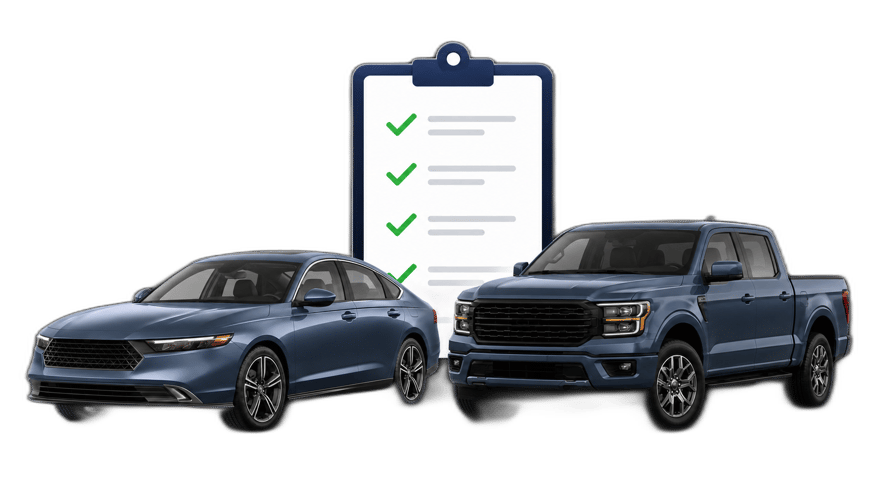
Start with a side-by-side comparison
Our free tool compares recalls, complaints, investigations, and estimated fuel costs for two vehicles.
1. Start with the exact year, make, and model
Records can change a lot by model year. Gather the basics before you compare.
Use year, make, and model to compare. Use the VIN to confirm exact open recall status before buying.
Use the Used Car Recall Check to build a checklist for one vehicle2. Compare recall records
Recall fixes safety or compliance problems. More recalls mean more homework, but completed repairs can remove much of the risk.
3. Compare complaint activity
Complaints show real owner experiences. Look for patterns, not just totals.
4. Check investigations
Investigations mean regulators are looking into potential safety problems.
5. Estimate fuel costs
Fuel cost can be a tie-breaker. Compare estimated annual fuel costs for each vehicle.
6. Ask the right questions for each seller
- Are there any open recalls?
- Do you have repair orders for recall work?
- Has the vehicle had this issue repaired?
- Can I get the VIN to confirm?
7. Use the tools to compare side by side
See the differences that matter before you decide which car to test drive.
Compare vehicles Used Car Recall Check8. Confirm everything by VIN before you buy
The only way to know exact open recall status is with the VIN.
- Run a VIN-based recall check
- Check for new recalls
- Verify dealer or seller completion
Both cars can be great. The records help you choose the smarter one.
Always confirm with the VIN, take a test drive, and get an independent inspection.