Vehicle report

2019 Honda Accord

Recalls, consumer complaints, safety ratings, fuel cost estimate, and next steps from official public data sources.
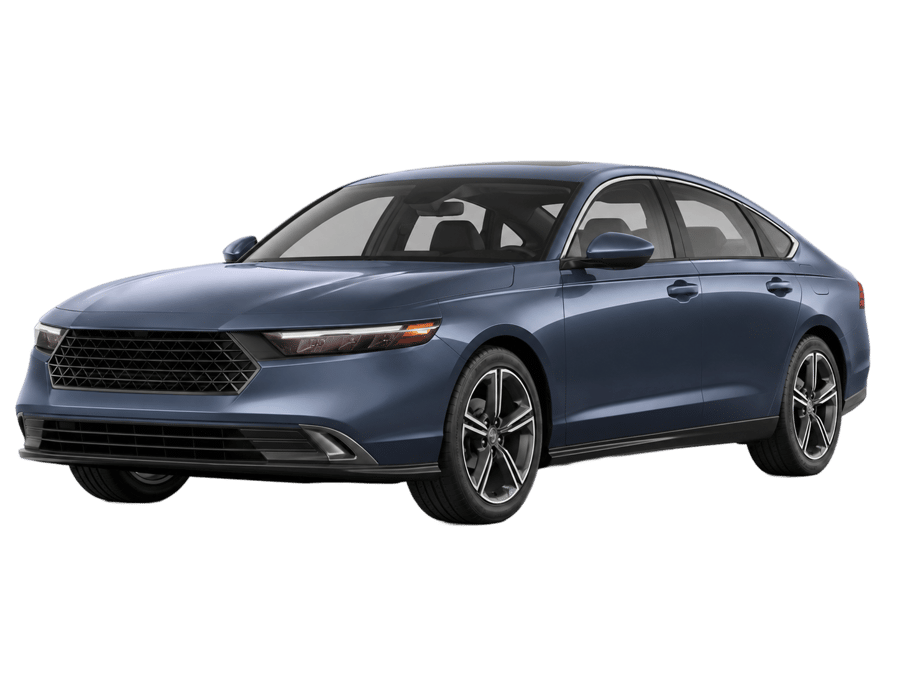
2019 Honda Accord
6 Total recalls
May 21, 2026 Latest recall date
624 Complaint reports
$1,837 Estimated fuel cost
Quick answer: The 2019 Honda Accord has 6 official recalls and 624 consumer complaints in our database. The latest recall date is May 21, 2026. The most common complaint categories include forward collision avoidance, fuel system, gasoline, engine. Estimated annual fuel cost is $1,837 based on the current calculator assumptions.

Buyer interpretation

What this record means before you buy

The useful question is not just whether this page has records. It is what those records should make you verify before money changes hands.

Recall homework

There are 6 official recalls listed for this model year. Before buying, use the VIN to confirm which campaigns are still open and ask for dealer repair records on completed work.

Owner complaint pattern

Owner complaints most often mention forward collision avoidance, fuel system, gasoline, engine. Scan those categories before the test drive so you know what symptoms, warning lights, or service history to ask about.

Open investigation signal

10 federal defect investigations are still open. That is not a recall, but it is worth reading before assuming the issue is settled.

Ownership-cost check

The fuel-cost estimate is based on a representative EPA match, not every trim. Confirm the actual engine, drivetrain, and tire setup before comparing this listing with another year or model.

Questions to ask the seller

  • Can you show the current VIN recall status for this 2019 Honda Accord?
  • Do you have dealer invoices or campaign paperwork for the listed recall repairs?
  • Have you noticed any issues related to forward collision avoidance, fuel system, gasoline, engine?
  • Can I review recent maintenance records before the test drive?
Used-car checklist

Thinking of buying this vehicle?

Use our buyer checklist to know what to inspect, ask, and verify before the test drive.

2019 Honda Accord Regular Gasoline
Create checklist Compare with other years Sends year, make, and model to pre-fill your checklist.

Safety ratings

Official safety ratings were found for 1 tested variant of the 2019 Honda Accord.

Overall 5/5 stars
Frontal crash 5/5 stars
Side crash 5/5 stars
Rollover 5/5 stars

Displayed variant: 2019 Honda ACCORD 4 DR FWD ; rollover risk 9.3%

Safety ratings can vary by tested body style, trim, drivetrain, or variant. Do not assume every trim has the same rating unless the official record says so.

How many recalls does the 2019 Honda Accord have?

Verify with official VIN lookup

6 official recalls on record for the 2019 Honda Accord. 41 matched quarterly completion reports are available.

Latest recall: May 21, 2026

Recall data is based on official records. This page is not an official VIN recall check. Always confirm open recalls with an official VIN lookup, the manufacturer, or an authorized dealer. Completion reports are campaign-level, delayed, and not VIN-specific.
Campaign Component Summary Consequence Remedy Date Completion
26V332000 AIR BAGS:SENSOR:OCCUPANT CLASSIFICATION:FRONT PASSENGER Honda (American Honda Motor Co.) is recalling certain 2018-2021, 2023 Acura TLX, 2019-2024 RDX, 2017-2020, 2022-2026 MDX, 2017-2021, 2023, 2025 Honda Ridgeline, 2017-2022 Pilot, 2019-2021 Passport, 2018-2026 Odyssey, 2019-2022 Insight, 2019-2021 HR-V, 2018-2020 Fit, 2020-2022 CR-V Hybrid, 2017-2022 CR-V, 2017-2018, 2021 Civic Type R, 2017-2021 Civic hatchback, 2016-2020 Civic coupe, 2016-2022 Civic, 2017-2022 Accord Hybrid, and 2016-2022 Accord vehicles. The front passenger seat weight sensor may crack and short circuit, which can cause the air bags to deploy unintentionally during a crash. Air bags that deploy unintentionally during a crash increase the risk of injury. Dealers will replace the seat weight sensors, free of charge. Owner notification letters are expected to be mailed July 6, 2026. Owners may contact Honda's customer service at 1-888-234-2138. Honda's numbers for this recall are BOL, WO9, OOA, WOM, XOH, NOC, POD, BOE, UOF, POB, EOG, AOI, QO8, TOJ, DO7, and SOK. This recall expands previous NHTSA recall number 24V064. Vehicle Identification Numbers (VINs) involved in this recall will be searchable on NHTSA.gov beginning May 29, 2026. May 2026 Not matched
23V858000 FUEL SYSTEM, GASOLINE:DELIVERY:FUEL PUMP Honda (American Honda Motor Co.) is recalling certain 2013-2023 Honda Accord, Civic Coupe, Civic Sedan, Civic Hatchback, Civic Type R, CR-V, HR-V, Ridgeline, Odyssey, Acura ILX, MDX, MDX Hybrid, RDX, RLX, TLX, 2019-2022 Honda Insight, Passport, 2020 Honda CR-V Hybrid, 2018-2019 Honda Clarity PHEV, Fit, and 2015-2020 Honda Accord Hybrid, Pilot, Acura NSX vehicles. The fuel pump inside the fuel tank may fail. Fuel pump failure can cause an engine stall while driving, increasing the risk of a crash. Dealers will replace the fuel pump module, free of charge. Owner letters were mailed September 6, 2024. Owners may contact Honda customer service at 1-888-234-2138. Honda's numbers for this recall are KGC and KGD. This recall is an expansion of NHTSA recall numbers 21V-215 and 20V-314. Dec 2023 2026-1
1,734,847 remedied / 2,490,460 involved (69.7%)
23V158000 SEAT BELTS:FRONT:BUCKLE ASSEMBLY Honda (American Honda Motor Co.) is recalling certain 2017-2020 CR-V, 2018-2019 Accord and Accord Hybrid, 2018-2020 Odyssey, 2019 Insight, and 2019-2020 Acura RDX vehicles. A manufacturing issue with the front seat belts may cause the seat belt buckle channel to interfere with the release button, preventing the seat belt buckle from latching. An unlatched seat belt cannot properly restrain the seat occupant during a crash, increasing their risk of injury. Dealers will replace the driver and front passenger seat belt buckle release buttons or the buckle assemblies as necessary, free of charge. Owner notification letters were mailed April 18, 2023. Owners may contact Honda customer service at 1-888-234-2138. Honda's numbers for this recall are NDA, QDB, BDC, MDD, LD9. TDF, FDG, ODH, YDI, ZDE. Mar 2023 2025-1
336,696 remedied / 448,613 involved (75.0%)
21V215000 FUEL SYSTEM, GASOLINE:DELIVERY:FUEL PUMP Honda (American Honda Motor Co.) is recalling certain 2019-2020 Acura MDX, MDX Sport Hybrid, RDX, TLX, Honda Accord, Civic Hatchback, Insight, 2019 Acura ILX, Honda Accord Hybrid, Civic Coupe, Civic Coupe Si, Civic Sedan, Civic Sedan Si, Civic Type R, Fit, HR-V, Odyssey, Passport, Pilot and Ridgeline, and 2018-2019 CR-V vehicles. The low-pressure fuel pump inside the fuel tank may fail. Fuel pump failure can cause an engine stall while driving, increasing the risk of a crash. Honda will notify owners, and dealers will replace the fuel pump assembly, free of charge. Owner letters were mailed May 18, 2021. Owners may contact Honda customer service at 1-888-234-2138. Note: This recall is an expansion of recall 20V-314. Mar 2021 2023-1
561,061 remedied / 624,552 involved (89.8%)
20V771000 ELECTRICAL SYSTEM:BODY CONTROL MODULE:SOFTWARE Honda (American Honda Motor Co.) is recalling certain 2018-2020 Accord Sedan, Accord Hybrid, and 2019-2020 Insight vehicles. A software error may cause intermittent or continuous disruptions in communication between the Body Control Module (BCM) and other components. This may result in malfunctions of various systems such as the windshield wipers and defroster, rearview camera, exterior lights, audible warning of a stopped vehicle, and power window operation. As such, these vehicles fail to comply with the requirements of Federal Motor Vehicle Safety Standard (FMVSS) number 103, "Windshield Defrosting and Defogging Systems" and number 111, "Rear Visibility" as well as FMVSS numbers 104, 108, 114, 118, and 305. Various system malfunctions such as inoperative windshield wipers, defroster, rearview camera, or exterior lighting can increase the risk of a crash. Honda will notify owners, and dealers will update the BCM software, free of charge. The recall is expected to begin February 22, 2021. Owners may contact Honda customer service at 1-888-234-2138. Honda's number for this recall is X95. Dec 2020 2022-4
646,252 remedied / 737,233 involved (87.7%)
20V314000 FUEL SYSTEM, GASOLINE:DELIVERY:FUEL PUMP Honda (American Honda Motor Co.) is recalling certain 2018-2019 Acura NSX, 2019 Acura RDX, RLX and RLX Sport Hybrid, 2018-2019 Honda Accord, Civic Hatchback, Civic Type R and HR-V, 2019-2020 Insight and 2019 Fit vehicles. The low-pressure fuel pump inside the fuel tank may fail. If the fuel pump fails, the engine can stall while driving, increasing the risk of a crash. Honda will notify owners and dealers will replace the fuel pump assembly, free of charge. The recall began July 22, 2020. Owners may contact Honda customer service at 1-888-234-2138. May 2020 2022-2
123,588 remedied / 135,995 involved (90.9%)

Are there federal defect investigations for the 2019 Honda Accord?

Official records show 16 federal defect investigations matched to the 2019 Honda Accord.

10 open 6 closed
Investigations are not recalls. They show official defect reviews and may close without a recall, or may reference a related campaign when one exists.
Action Status Component Subject Opened Related recall
EA24002 Open FORWARD COLLISION AVOIDANCE:SOFTWARE Inadvertent Automatic Emergency Braking
On February 21, 2022, the Office of Defects Investigation (ODI) opened Preliminary Evaluation (PE22003) to assess reports of inadvertent activation of the Collision Mitigation Braking System (CMBS), an automatic emergency braking (AEB) system, in model year 2017-2019 Honda CR-V and 2018-2019 Honda Accord vehicles.  The reports allege that activation of the AEB system occurs while driving with no apparent obstruction in the vehicle's forward path, resulting in sudden vehicle deceleration. Honda indicated that they were aware of a total of X,XXX reports that may relate to the alleged defect. Honda provided analysis of the alleged defect and alleges that some customers possibly had an inadequate understanding of the CMBS and its limitations.  However, many consumer complaints allege that Honda dealerships were unable to reproduce the condition or state that they were informed that this is considered normal CMBS operation. To date, ODI has received a total of 1,294 consumer complaints of inadvertent activation of CMBS in 2017-2022 Honda CR-V and 2018-2022 Honda Accord vehicles. A total of 31 complaints alleged a crash and 50 alleged an injury.  The Total column in the Failure Report Summary removes duplicate reports and shows the total number of reports with unique VINs from all Manufacturer, ODI, and EWR data sources.  In some cases, there were multiple reports associated with a particular vehicle in which recurring failures were alleged.  In total, there were X,XXX reports, 93 injury incidents and 47 crashes involving vehicles with unique VINs that may relate to the alleged defect. PE22-003 has been upgraded to an Engineering Analysis to further assess the scope, frequency, and potential safety related consequences of the inadvertent AEB activations. The scope has been expanded to include assessment of model year 2020-2022 Honda CR-V and Accord vehicles. To review the ODI reports cited in the Opening Resume ODI Report Identification Number document, go to NHTSA.gov.
Apr 2024 None
EA24002 Open FORWARD COLLISION AVOIDANCE: AUTOMATIC EMERGENCY BRAKING Inadvertent Automatic Emergency Braking
On February 21, 2022, the Office of Defects Investigation (ODI) opened Preliminary Evaluation (PE22003) to assess reports of inadvertent activation of the Collision Mitigation Braking System (CMBS), an automatic emergency braking (AEB) system, in model year 2017-2019 Honda CR-V and 2018-2019 Honda Accord vehicles.  The reports allege that activation of the AEB system occurs while driving with no apparent obstruction in the vehicle's forward path, resulting in sudden vehicle deceleration. Honda indicated that they were aware of a total of X,XXX reports that may relate to the alleged defect. Honda provided analysis of the alleged defect and alleges that some customers possibly had an inadequate understanding of the CMBS and its limitations.  However, many consumer complaints allege that Honda dealerships were unable to reproduce the condition or state that they were informed that this is considered normal CMBS operation. To date, ODI has received a total of 1,294 consumer complaints of inadvertent activation of CMBS in 2017-2022 Honda CR-V and 2018-2022 Honda Accord vehicles. A total of 31 complaints alleged a crash and 50 alleged an injury.  The Total column in the Failure Report Summary removes duplicate reports and shows the total number of reports with unique VINs from all Manufacturer, ODI, and EWR data sources.  In some cases, there were multiple reports associated with a particular vehicle in which recurring failures were alleged.  In total, there were X,XXX reports, 93 injury incidents and 47 crashes involving vehicles with unique VINs that may relate to the alleged defect. PE22-003 has been upgraded to an Engineering Analysis to further assess the scope, frequency, and potential safety related consequences of the inadvertent AEB activations. The scope has been expanded to include assessment of model year 2020-2022 Honda CR-V and Accord vehicles. To review the ODI reports cited in the Opening Resume ODI Report Identification Number document, go to NHTSA.gov.
Apr 2024 None
EA24002 Open FORWARD COLLISION AVOIDANCE Inadvertent Automatic Emergency Braking
On February 21, 2022, the Office of Defects Investigation (ODI) opened Preliminary Evaluation (PE22003) to assess reports of inadvertent activation of the Collision Mitigation Braking System (CMBS), an automatic emergency braking (AEB) system, in model year 2017-2019 Honda CR-V and 2018-2019 Honda Accord vehicles.  The reports allege that activation of the AEB system occurs while driving with no apparent obstruction in the vehicle's forward path, resulting in sudden vehicle deceleration. Honda indicated that they were aware of a total of X,XXX reports that may relate to the alleged defect. Honda provided analysis of the alleged defect and alleges that some customers possibly had an inadequate understanding of the CMBS and its limitations.  However, many consumer complaints allege that Honda dealerships were unable to reproduce the condition or state that they were informed that this is considered normal CMBS operation. To date, ODI has received a total of 1,294 consumer complaints of inadvertent activation of CMBS in 2017-2022 Honda CR-V and 2018-2022 Honda Accord vehicles. A total of 31 complaints alleged a crash and 50 alleged an injury.  The Total column in the Failure Report Summary removes duplicate reports and shows the total number of reports with unique VINs from all Manufacturer, ODI, and EWR data sources.  In some cases, there were multiple reports associated with a particular vehicle in which recurring failures were alleged.  In total, there were X,XXX reports, 93 injury incidents and 47 crashes involving vehicles with unique VINs that may relate to the alleged defect. PE22-003 has been upgraded to an Engineering Analysis to further assess the scope, frequency, and potential safety related consequences of the inadvertent AEB activations. The scope has been expanded to include assessment of model year 2020-2022 Honda CR-V and Accord vehicles. To review the ODI reports cited in the Opening Resume ODI Report Identification Number document, go to NHTSA.gov.
Apr 2024 None
EA24002 Open FORWARD COLLISION AVOIDANCE: SENSING SYSTEM: CAMERA Inadvertent Automatic Emergency Braking
On February 21, 2022, the Office of Defects Investigation (ODI) opened Preliminary Evaluation (PE22003) to assess reports of inadvertent activation of the Collision Mitigation Braking System (CMBS), an automatic emergency braking (AEB) system, in model year 2017-2019 Honda CR-V and 2018-2019 Honda Accord vehicles.  The reports allege that activation of the AEB system occurs while driving with no apparent obstruction in the vehicle's forward path, resulting in sudden vehicle deceleration. Honda indicated that they were aware of a total of X,XXX reports that may relate to the alleged defect. Honda provided analysis of the alleged defect and alleges that some customers possibly had an inadequate understanding of the CMBS and its limitations.  However, many consumer complaints allege that Honda dealerships were unable to reproduce the condition or state that they were informed that this is considered normal CMBS operation. To date, ODI has received a total of 1,294 consumer complaints of inadvertent activation of CMBS in 2017-2022 Honda CR-V and 2018-2022 Honda Accord vehicles. A total of 31 complaints alleged a crash and 50 alleged an injury.  The Total column in the Failure Report Summary removes duplicate reports and shows the total number of reports with unique VINs from all Manufacturer, ODI, and EWR data sources.  In some cases, there were multiple reports associated with a particular vehicle in which recurring failures were alleged.  In total, there were X,XXX reports, 93 injury incidents and 47 crashes involving vehicles with unique VINs that may relate to the alleged defect. PE22-003 has been upgraded to an Engineering Analysis to further assess the scope, frequency, and potential safety related consequences of the inadvertent AEB activations. The scope has been expanded to include assessment of model year 2020-2022 Honda CR-V and Accord vehicles. To review the ODI reports cited in the Opening Resume ODI Report Identification Number document, go to NHTSA.gov.
Apr 2024 None
EA24002 Open FORWARD COLLISION AVOIDANCE: SENSING SYSTEM: RADAR Inadvertent Automatic Emergency Braking
On February 21, 2022, the Office of Defects Investigation (ODI) opened Preliminary Evaluation (PE22003) to assess reports of inadvertent activation of the Collision Mitigation Braking System (CMBS), an automatic emergency braking (AEB) system, in model year 2017-2019 Honda CR-V and 2018-2019 Honda Accord vehicles.  The reports allege that activation of the AEB system occurs while driving with no apparent obstruction in the vehicle's forward path, resulting in sudden vehicle deceleration. Honda indicated that they were aware of a total of X,XXX reports that may relate to the alleged defect. Honda provided analysis of the alleged defect and alleges that some customers possibly had an inadequate understanding of the CMBS and its limitations.  However, many consumer complaints allege that Honda dealerships were unable to reproduce the condition or state that they were informed that this is considered normal CMBS operation. To date, ODI has received a total of 1,294 consumer complaints of inadvertent activation of CMBS in 2017-2022 Honda CR-V and 2018-2022 Honda Accord vehicles. A total of 31 complaints alleged a crash and 50 alleged an injury.  The Total column in the Failure Report Summary removes duplicate reports and shows the total number of reports with unique VINs from all Manufacturer, ODI, and EWR data sources.  In some cases, there were multiple reports associated with a particular vehicle in which recurring failures were alleged.  In total, there were X,XXX reports, 93 injury incidents and 47 crashes involving vehicles with unique VINs that may relate to the alleged defect. PE22-003 has been upgraded to an Engineering Analysis to further assess the scope, frequency, and potential safety related consequences of the inadvertent AEB activations. The scope has been expanded to include assessment of model year 2020-2022 Honda CR-V and Accord vehicles. To review the ODI reports cited in the Opening Resume ODI Report Identification Number document, go to NHTSA.gov.
Apr 2024 None
EA24002 Open FORWARD COLLISION AVOIDANCE:SOFTWARE Inadvertent Automatic Emergency Braking
On February 21, 2022, the Office of Defects Investigation (ODI) opened Preliminary Evaluation (PE22003) to assess reports of inadvertent activation of the Collision Mitigation Braking System (CMBS), an automatic emergency braking (AEB) system, in model year 2017-2019 Honda CR-V and 2018-2019 Honda Accord vehicles.  The reports allege that activation of the AEB system occurs while driving with no apparent obstruction in the vehicle's forward path, resulting in sudden vehicle deceleration. Honda indicated that they were aware of a total of X,XXX reports that may relate to the alleged defect. Honda provided analysis of the alleged defect and alleges that some customers possibly had an inadequate understanding of the CMBS and its limitations.  However, many consumer complaints allege that Honda dealerships were unable to reproduce the condition or state that they were informed that this is considered normal CMBS operation. To date, ODI has received a total of 1,294 consumer complaints of inadvertent activation of CMBS in 2017-2022 Honda CR-V and 2018-2022 Honda Accord vehicles. A total of 31 complaints alleged a crash and 50 alleged an injury.  The Total column in the Failure Report Summary removes duplicate reports and shows the total number of reports with unique VINs from all Manufacturer, ODI, and EWR data sources.  In some cases, there were multiple reports associated with a particular vehicle in which recurring failures were alleged.  In total, there were X,XXX reports, 93 injury incidents and 47 crashes involving vehicles with unique VINs that may relate to the alleged defect. PE22-003 has been upgraded to an Engineering Analysis to further assess the scope, frequency, and potential safety related consequences of the inadvertent AEB activations. The scope has been expanded to include assessment of model year 2020-2022 Honda CR-V and Accord vehicles. To review the ODI reports cited in the Opening Resume ODI Report Identification Number document, go to NHTSA.gov.
Apr 2024 None
EA24002 Open FORWARD COLLISION AVOIDANCE: AUTOMATIC EMERGENCY BRAKING Inadvertent Automatic Emergency Braking
On February 21, 2022, the Office of Defects Investigation (ODI) opened Preliminary Evaluation (PE22003) to assess reports of inadvertent activation of the Collision Mitigation Braking System (CMBS), an automatic emergency braking (AEB) system, in model year 2017-2019 Honda CR-V and 2018-2019 Honda Accord vehicles.  The reports allege that activation of the AEB system occurs while driving with no apparent obstruction in the vehicle's forward path, resulting in sudden vehicle deceleration. Honda indicated that they were aware of a total of X,XXX reports that may relate to the alleged defect. Honda provided analysis of the alleged defect and alleges that some customers possibly had an inadequate understanding of the CMBS and its limitations.  However, many consumer complaints allege that Honda dealerships were unable to reproduce the condition or state that they were informed that this is considered normal CMBS operation. To date, ODI has received a total of 1,294 consumer complaints of inadvertent activation of CMBS in 2017-2022 Honda CR-V and 2018-2022 Honda Accord vehicles. A total of 31 complaints alleged a crash and 50 alleged an injury.  The Total column in the Failure Report Summary removes duplicate reports and shows the total number of reports with unique VINs from all Manufacturer, ODI, and EWR data sources.  In some cases, there were multiple reports associated with a particular vehicle in which recurring failures were alleged.  In total, there were X,XXX reports, 93 injury incidents and 47 crashes involving vehicles with unique VINs that may relate to the alleged defect. PE22-003 has been upgraded to an Engineering Analysis to further assess the scope, frequency, and potential safety related consequences of the inadvertent AEB activations. The scope has been expanded to include assessment of model year 2020-2022 Honda CR-V and Accord vehicles. To review the ODI reports cited in the Opening Resume ODI Report Identification Number document, go to NHTSA.gov.
Apr 2024 None
EA24002 Open FORWARD COLLISION AVOIDANCE Inadvertent Automatic Emergency Braking
On February 21, 2022, the Office of Defects Investigation (ODI) opened Preliminary Evaluation (PE22003) to assess reports of inadvertent activation of the Collision Mitigation Braking System (CMBS), an automatic emergency braking (AEB) system, in model year 2017-2019 Honda CR-V and 2018-2019 Honda Accord vehicles.  The reports allege that activation of the AEB system occurs while driving with no apparent obstruction in the vehicle's forward path, resulting in sudden vehicle deceleration. Honda indicated that they were aware of a total of X,XXX reports that may relate to the alleged defect. Honda provided analysis of the alleged defect and alleges that some customers possibly had an inadequate understanding of the CMBS and its limitations.  However, many consumer complaints allege that Honda dealerships were unable to reproduce the condition or state that they were informed that this is considered normal CMBS operation. To date, ODI has received a total of 1,294 consumer complaints of inadvertent activation of CMBS in 2017-2022 Honda CR-V and 2018-2022 Honda Accord vehicles. A total of 31 complaints alleged a crash and 50 alleged an injury.  The Total column in the Failure Report Summary removes duplicate reports and shows the total number of reports with unique VINs from all Manufacturer, ODI, and EWR data sources.  In some cases, there were multiple reports associated with a particular vehicle in which recurring failures were alleged.  In total, there were X,XXX reports, 93 injury incidents and 47 crashes involving vehicles with unique VINs that may relate to the alleged defect. PE22-003 has been upgraded to an Engineering Analysis to further assess the scope, frequency, and potential safety related consequences of the inadvertent AEB activations. The scope has been expanded to include assessment of model year 2020-2022 Honda CR-V and Accord vehicles. To review the ODI reports cited in the Opening Resume ODI Report Identification Number document, go to NHTSA.gov.
Apr 2024 None
EA24002 Open FORWARD COLLISION AVOIDANCE: SENSING SYSTEM: CAMERA Inadvertent Automatic Emergency Braking
On February 21, 2022, the Office of Defects Investigation (ODI) opened Preliminary Evaluation (PE22003) to assess reports of inadvertent activation of the Collision Mitigation Braking System (CMBS), an automatic emergency braking (AEB) system, in model year 2017-2019 Honda CR-V and 2018-2019 Honda Accord vehicles.  The reports allege that activation of the AEB system occurs while driving with no apparent obstruction in the vehicle's forward path, resulting in sudden vehicle deceleration. Honda indicated that they were aware of a total of X,XXX reports that may relate to the alleged defect. Honda provided analysis of the alleged defect and alleges that some customers possibly had an inadequate understanding of the CMBS and its limitations.  However, many consumer complaints allege that Honda dealerships were unable to reproduce the condition or state that they were informed that this is considered normal CMBS operation. To date, ODI has received a total of 1,294 consumer complaints of inadvertent activation of CMBS in 2017-2022 Honda CR-V and 2018-2022 Honda Accord vehicles. A total of 31 complaints alleged a crash and 50 alleged an injury.  The Total column in the Failure Report Summary removes duplicate reports and shows the total number of reports with unique VINs from all Manufacturer, ODI, and EWR data sources.  In some cases, there were multiple reports associated with a particular vehicle in which recurring failures were alleged.  In total, there were X,XXX reports, 93 injury incidents and 47 crashes involving vehicles with unique VINs that may relate to the alleged defect. PE22-003 has been upgraded to an Engineering Analysis to further assess the scope, frequency, and potential safety related consequences of the inadvertent AEB activations. The scope has been expanded to include assessment of model year 2020-2022 Honda CR-V and Accord vehicles. To review the ODI reports cited in the Opening Resume ODI Report Identification Number document, go to NHTSA.gov.
Apr 2024 None
EA24002 Open FORWARD COLLISION AVOIDANCE: SENSING SYSTEM: RADAR Inadvertent Automatic Emergency Braking
On February 21, 2022, the Office of Defects Investigation (ODI) opened Preliminary Evaluation (PE22003) to assess reports of inadvertent activation of the Collision Mitigation Braking System (CMBS), an automatic emergency braking (AEB) system, in model year 2017-2019 Honda CR-V and 2018-2019 Honda Accord vehicles.  The reports allege that activation of the AEB system occurs while driving with no apparent obstruction in the vehicle's forward path, resulting in sudden vehicle deceleration. Honda indicated that they were aware of a total of X,XXX reports that may relate to the alleged defect. Honda provided analysis of the alleged defect and alleges that some customers possibly had an inadequate understanding of the CMBS and its limitations.  However, many consumer complaints allege that Honda dealerships were unable to reproduce the condition or state that they were informed that this is considered normal CMBS operation. To date, ODI has received a total of 1,294 consumer complaints of inadvertent activation of CMBS in 2017-2022 Honda CR-V and 2018-2022 Honda Accord vehicles. A total of 31 complaints alleged a crash and 50 alleged an injury.  The Total column in the Failure Report Summary removes duplicate reports and shows the total number of reports with unique VINs from all Manufacturer, ODI, and EWR data sources.  In some cases, there were multiple reports associated with a particular vehicle in which recurring failures were alleged.  In total, there were X,XXX reports, 93 injury incidents and 47 crashes involving vehicles with unique VINs that may relate to the alleged defect. PE22-003 has been upgraded to an Engineering Analysis to further assess the scope, frequency, and potential safety related consequences of the inadvertent AEB activations. The scope has been expanded to include assessment of model year 2020-2022 Honda CR-V and Accord vehicles. To review the ODI reports cited in the Opening Resume ODI Report Identification Number document, go to NHTSA.gov.
Apr 2024 None

Are there manufacturer notices for the 2019 Honda Accord?

Official records show 318 manufacturer communications on record for the 2019 Honda Accord.

0 warranty 0 service campaigns 0 software/OTA

Common components: ELECTRICAL SYSTEM (71), ENGINE AND ENGINE COOLING (48), FUEL SYSTEM, GASOLINE (46), SERVICE BRAKES, HYDRAULIC (46), VISIBILITY (28)

Manufacturer communications are not recalls. They can include service bulletins, repair instructions, warranty extensions, software updates, service campaigns, and other notices.
Date Type Component Summary ID / document
Dec 2025 Service Bulletin/Repair Instructions ELECTRICAL SYSTEM Tech Line Summary - Customers who have purchased the Accessory CarPlay /Android Auto upgrade are complaining that a pop-up message appears on the audio unit display stating, “Please insert USB drive containing valid software license file, and press OK button”. When this message is displayed, the audio unit is not responsive to control inputs, however the rear-view camera remains fully functional. 11026975
ATS30025
Dec 2025 Other ELECTRICAL SYSTEM Dealer Message - Some customers have reported a pop-up message on the audio unit display stating: “Please insert USB drive containing valid software license file and press OK button.” When this message appears, the audio unit becomes unresponsive. The rear-view camera remains functional. 11026971
AAR12192025901
Dec 2025 Other ELECTRICAL SYSTEM Dealer Message - Some customers have reported a pop-up message on the audio unit display stating: “Please insert USB drive containing valid software license file and press OK button.” When this message appears, the audio unit becomes unresponsive. The rear-view camera remains functional. 11026972
APS&12192025902
Jul 2025 Service Bulletin/Repair Instructions ENGINE Service Bulletin - Oil leak at timing chain tensioner inspection cover due to possible insufficient sealant adhesion on inspection cover. 11021744
A25-074
Jun 2025 Other STRUCTURE:BODY Service News - From our investigation, we've found the reason could be customers are trying to pull open the fuel fill door, not realizing it's been locked by the Walk Away Auto Lock feature. When activated, the Walk Away Auto Lock feature locks all the doors, including the fuel fill door, when your customer walks away from the vehicle with the key fob. Pulling on the fuel fill door while it's locked can break the clip. 11019865
A20030B
May 2025 Other STRUCTURE:BODY Service News - Honda has received reports of broken fuel fill door clips. From our investigation, Honda has found that the reason could be customers are trying to pull open the fuel fill door, not realizing it's been locked by the Walk Away Auto Lock feature. When activated, the Walk Away Auto Lock feature locks all the doors, including the fuel fill door, when your customer walks away from the vehicle with the key fob. Pulling on the fuel fill door while it's locked can break the clip. To fix this issue, the fuel fill door clip must be replaced. 11019242
A20030B
Dec 2024 Other ENGINE Dealer Message - American Honda Motor Co., Inc. (AHM) is searching for certain 2018-2022 Accord FHEVs with a customer complaint of the Malfunction Indicator Light (MIL) on with the DTC P030X (Cylinder Misfire Detected) stored. Customer may also experience engine running rough condition. To better understand the cause of this condition, AHM would like to collect specific parts from the vehicle prior to you attempting a repair of any kind. 11011786
ATI&12052024903
Dec 2024 Other ENGINE Dealer Message - American Honda Motor Co., Inc. (AHM) is searching for certain 2018-2024 Accord 1.5Ls, 2021-2024 Civics 1.5Ls, 2023-2024 CR-Vs 1.5Ls, and 2017 Fits with customer complaint of Check Engine Light (CEL) on with DTC P0420 [Catalyst System Efficiency Below Threshold] stored. To better understand the cause of this condition, AHM would like to specific parts from the vehicle prior to you attempting a repair of any kind. 11011792
ATI&12022024909
Nov 2024 Other ENGINE Dealer Message - American Honda Motor Co., Inc. (AHM) is searching for certain 2018-2022 Accord FHEVs & 2020-2022 CR-V FHEVs with a customer complaint of the Malfunction Indicator Light (MIL) on with the DTC P030X (Cylinder Misfire Detected) stored. Customer may also experience engine running rough condition. To better understand the cause of this condition, AHM would like to collect specific parts from the vehicle prior to you attempting a repair of any kind. 11010678
ATI&11132024906
Nov 2024 Other ENGINE Dealer Message - American Honda Motor Co., Inc. (AHM) is searching for certain 2018-2024 Accord 1.5Ls, 2021-2024 Civics 1.5Ls, 2023-2024 CR-Vs 1.5Ls, and 2017 Fits with customer complaint of Check Engine Light (CEL) on with DTC P0420 [Catalyst System Effciency Below Threshold] stored. To better understand the cause of this condition, AHM would like to specific parts from the vehicle prior to you attempting a repair of any kind. 11010549
ATI&11052024902

What are the most common 2019 Honda Accord complaints?

624 total complaints on record

How much does the 2019 Honda Accord cost in fuel?

Estimated annual cost $1,837 $153/month at 12,000 miles/year
Effective efficiency 29.4 MPG
Energy used 408 gal/yr
Price assumption $4.50 $/gal

Assumptions: 26 city / 35 highway / 30 combined MPG · Regular Gasoline · efficiency ratings from official public data when available · fuel price default: official public data (U.S. average, Jun 3, 2026)

298 g/mi CO2Fuel score 7/10Smog 6/10SmartWay

Model-year comparison