Vehicle report

2018 Jeep Wrangler

Recalls, consumer complaints, safety ratings, fuel cost estimate, and next steps from official public data sources.
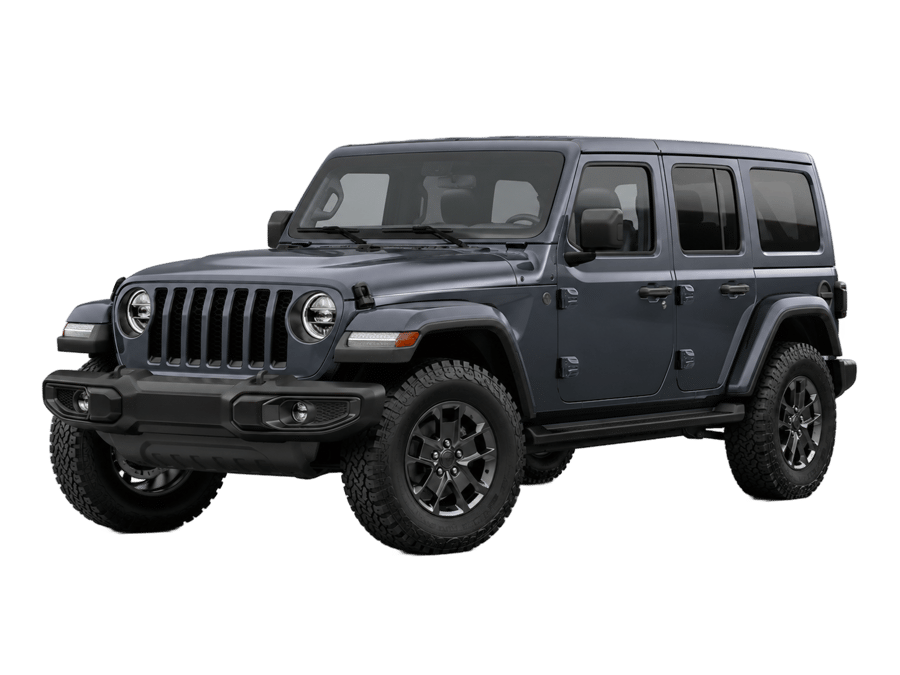
2018 Jeep Wrangler
14 Total recalls
Sep 12, 2024 Latest recall date
1782 Complaint reports
$2,904 Estimated fuel cost
Quick answer: The 2018 Jeep Wrangler has 14 official recalls and 1782 consumer complaints in our database. The latest recall date is Sep 12, 2024. The most common complaint categories include steering, steering,suspension, electrical system. Estimated annual fuel cost is $2,904 based on the current calculator assumptions.

Buyer interpretation

What this record means before you buy

The useful question is not just whether this page has records. It is what those records should make you verify before money changes hands.

Recall homework

There are 14 official recalls listed for this model year. Before buying, use the VIN to confirm which campaigns are still open and ask for dealer repair records on completed work.

Owner complaint pattern

Owner complaints most often mention steering, steering,suspension, electrical system. Scan those categories before the test drive so you know what symptoms, warning lights, or service history to ask about.

Open investigation signal

2 federal defect investigations are still open. That is not a recall, but it is worth reading before assuming the issue is settled.

Ownership-cost check

The fuel-cost estimate is based on a representative EPA match, not every trim. Confirm the actual engine, drivetrain, and tire setup before comparing this listing with another year or model.

Questions to ask the seller

  • Can you show the current VIN recall status for this 2018 Jeep Wrangler?
  • Do you have dealer invoices or campaign paperwork for the listed recall repairs?
  • Have you noticed any issues related to steering, steering,suspension, electrical system?
  • Can I review recent maintenance records before the test drive?
Used-car checklist

Thinking of buying this vehicle?

Use our buyer checklist to know what to inspect, ask, and verify before the test drive.

2018 Jeep Wrangler Regular Gasoline
Create checklist Compare with other years Sends year, make, and model to pre-fill your checklist.

Safety ratings

Official safety ratings were found for 1 tested variant of the 2018 Jeep Wrangler.

Overall Not Rated
Frontal crash Not Rated
Side crash Not Rated
Rollover 3/5 stars

Displayed variant: 2018 Jeep Wrangler 2 DR 4WD Later Release ; rollover risk 27.9%

Safety ratings can vary by tested body style, trim, drivetrain, or variant. Do not assume every trim has the same rating unless the official record says so.

How many recalls does the 2018 Jeep Wrangler have?

Verify with official VIN lookup

14 official recalls on record for the 2018 Jeep Wrangler. 90 matched quarterly completion reports are available.

Latest recall: September 12, 2024

Recall data is based on official records. This page is not an official VIN recall check. Always confirm open recalls with an official VIN lookup, the manufacturer, or an authorized dealer. Completion reports are campaign-level, delayed, and not VIN-specific.
Campaign Component Summary Consequence Remedy Date Completion
24V676000 BACK OVER PREVENTION: SENSING SYSTEM: CAMERA Chrysler (FCA US, LLC) is recalling certain 2018-2024 Jeep Wrangler vehicles. The wiring harness for the rearview camera and the center brake light may short circuit, which can disable the rearview camera image and center brake light. As such, these vehicles fail to comply with the requirements of Federal Motor Vehicle Safety Standard numbers 111, "Rear Visibility" and 108, "Lamps, Reflective Devices, and Associated Equipment." A rearview camera image that does not display decreases the driver's visibility, increasing the risk of a crash. Additionally, a center brake light that fails to illuminate can fail to indicate to other drivers that the vehicle is slowing down, increasing the risk of a crash. Dealers replaced the harness for the center brake light and rearview camera and/or the spare tire carrier/harness assembly, as necessary, free of charge. All vehicles were repaired by January 15, 2024. Owner notification letters were mailed September 26, 2024. Owners may contact FCA US, LLC customer service at 1-800-853-1403. FCA US, LLC's number for this recall is 77B. Sep 2024 2024-3
46 remedied / 46 involved (100%)
24V652000 ELECTRICAL SYSTEM: INSTRUMENT CLUSTER/PANEL Chrysler (FCA US, LLC) is recalling certain 2020-2024 Jeep Gladiator and 2018-2024 Jeep Wrangler vehicles. The instrument panel cluster may experience an internal short circuit and fail. As such, these vehicles fail to comply with the requirements of Federal Motor Vehicle Safety Standard number 101, "Controls and Displays." An instrument panel that fails to display critical safety information, such as the speedometer or warning lights, can increase the risk of a crash. Dealers will replace the instrument panel cluster, free of charge. Owner notification letters were mailed between October 3, 2024, and January 23, 2025. Owners may contact FCA customer service at 1-800-853-1403. FCA's number for this recall is 30B. Sep 2024 2026-1
20,943 remedied / 32,863 involved (63.7%)
23V116000 POWER TRAIN:CLUTCH ASSEMBLY Chrysler (FCA US, LLC) is recalling certain 2018-2023 Jeep Wrangler, and 2020-2023 Jeep Gladiator vehicles equipped with manual transmissions. The clutch pressure plate may overheat and fracture. Overheated clutch components may increase the risk of a fire. Additionally, damage to other nearby components can result in debris falling onto the road or a loss of drive, increasing the risk of a crash. Dealers will replace the clutch assembly and update the software, free of charge. Owner notification letters were mailed from November 16, 2023 through July 25, 2024. Owners may contact (FCA US, LLC) customer service at 1-800-853-1403. FCA US LLC's number for this recall is 19A. This recall expands and replaces previous recall 21V-028. Vehicles previously repaired under recall 21V-028 will need to have the new remedy completed. Feb 2023 2026-1
48,521 remedied / 69,201 involved (70.1%)
21V028000 POWER TRAIN:CLUTCH ASSEMBLY Chrysler (FCA US, LLC) is recalling certain 2018-2021 Jeep Wrangler and 2020-2021 Jeep Gladiator vehicles equipped with manual transmissions. The clutch pressure plate may overheat and fracture. Overheated clutch components may increase the risk of a fire. Additionally, damage to other nearby components can result in debris falling onto the road or a loss of drive, increasing the risk of a crash. FCA US LLC will notify owners, and dealers will add software to reduce engine torque capability when clutch assembly temperatures rise to a level that may damage the inner pressure plate, free of charge." FCA has ordered a stop sale for the affected vehicles as of February 25, 2021. Owner notification letters were mailed on March 4, 2021. Jan 2021 2023-2
36,201 remedied / 42,887 involved (84.4%)
20V124000 POWER TRAIN:CLUTCH ASSEMBLY Chrysler (FCA US LLC) is recalling certain 2018-2020 Jeep Wrangler and 2020 Gladiator vehicles equipped with manual transmissions. The clutch pressure plate may overheat and fracture. The overheated clutch components may increase the risk of a fire. Additionally, damage to other nearby components can result in debris falling onto the road or a loss of drive, increasing the risk of a crash. Chrysler will notify owners, and dealers will reroute a wire harness and inspect the clutch system, and replace components as needed. The recall began April 30, 2020. Owners may contact Chrysler customer service at 1-800-853-1403. Chrysler's number for this recall is W12. Mar 2020 2022-1
28,887 remedied / 33,237 involved (86.9%)
19V680000 SEAT BELTS:FRONT:ANCHORAGE Chrysler (FCA US LLC) is recalling certain 2011-2018 Jeep Wrangler right hand drive vehicles. The driver's seat belt buckle mounting strap may fracture and separate from the seat frame. A separated or severed seat belt buckle strap will result in an inoperable seat belt, increasing the risk of injury in the event of a crash. FCA US will notify owners, and dealers will replace the driver's seat belt buckle, free of charge. Interim notices informing owners of the safety risk were mailed November 19, 2019. Owners will received a second letter and the recall began March 26, 2020. Owners may contact FCA customer service at 1-800-853-1403. FCA's number for this recall is VA6. Sep 2019 2021-2
4,992 remedied / 11,463 involved (43.5%)
19V320000 EQUIPMENT Erwin Hymer Group USA LP dba American Fastbacks (EHGUSA-AF) is recalling certain 2018 Jeep Wrangler vehicles sold with a roof top tent installed. The top cover of the roof top tent may crack or break, possibly resulting in the cover detaching from the vehicle while moving. If the roof top tent cover detaches from the vehicle while moving, it can create a road hazard, increasing the risk of a crash. The remedy for this recall is still under development. The recall began May 9, 2019. Owners may contact American Fastbacks customer service at 1-844-533-7997 extension 301. Note: Vehicles in this recall are also included in recall 19V-190. Apr 2019 2020-3
48 remedied / 94 involved (51.1%)
18V786000 LATCHES/LOCKS/LINKAGES:DOORS:LATCH Chrysler (FCA US LLC) is recalling certain 2018 Jeep Wrangler four-door vehicles. The right rear passenger door latch may not be in the correct location, possibly preventing the door from latching properly. If the right rear passenger door opens unexpectedly, it can increase the risk of injury. Chrysler will notify owners, and dealers will repair the right rear door latch reinforcement, free of charge. The recall begin December 6, 2018. Owners may contact Chrysler customer service at 1-800-853-1403. Chrysler's number for this recall is UB6. Nov 2018 2020-1
52 remedied / 52 involved (100%)
18V675000 STRUCTURE:FRAME AND MEMBERS Chrysler (FCA US LLC) is recalling certain 2018-2019 Jeep Wrangler vehicles. The front track bar brackets may be improperly welded, which can cause the bracket to separate from the frame, reducing steering capability. An unexpected reduction in steering ability, can increase the risk of a crash. Chrysler will notify owners, and dealers will inspect and repair the track bar bracket welds, as necessary, free of charge. The recall is expected to begin November 17, 2018. Owners may contact Chrysler customer service at 1-800-853-1403. Chrysler's number for this recall is UA5. Sep 2018 2020-1
15,827 remedied / 18,055 involved (87.7%)
18V524000 ELECTRICAL SYSTEM:WIRING:FRONT UNDERHOOD Chrysler (FCA US LLC) is recalling certain 2018 Jeep Renegade, Compass and Grand Cherokee, RAM 1500 and Promaster, Fiat 500x, Dodge Journey, Challenger, Charger and Durango and Chrysler 300x vehicles, 2017-2018 Jeep Wrangler, Dodge Grand Caravan and Chrysler Town and Country vehicles and 2018-2019 Jeep Cherokee and 2018 Chrysler Pacifica and Pacifica Hybrid vehicles. The powertrain control module may be equipped with a voltage regulator chip in the circuit board that may fail, causing a stall or a no start condition. A vehicle stall can increase the risk of a crash. Chrysler will notify owners, and dealers will replace the powertrain control module, free of charge. The recall began October 2, 2018. Owners may contact Chrysler customer service at 1-800-853-1403. Chrysler's number for this recall is U87. Aug 2018 2020-1
9,800 remedied / 12,779 involved (76.7%)
18V343000 STEERING Chrysler (FCA US LLC) is recalling certain 2018 Jeep Wrangler vehicles. The intermediate steering shaft may not have been properly welded causing a split where the external spline is formed. If the weld seam splits, the steering wheel may lose center positioning causing a loss of steering responsiveness and increasing the risk of a crash. Chrysler will notify owners, and dealers will inspect and, as necessary, replace the intermediate steering shaft, free of charge. The recall began June 21, 2018. Owners may contact Chrysler customer service at 1-800-853-1403. Chrysler's number for this recall is U48. May 2018 2019-3
473 remedied / 539 involved (87.8%)
18V332000 ELECTRICAL SYSTEM:WIRING Chrysler (FCA US LLC) is recalling certain 2014-2018 Dodge Journey, Charger and Durango, RAM 2500, 3500, 3500 Cab Chassis (more than 10,000lb), 4500 Cab Chassis and 5500 Cab Chassis, Jeep Cherokee and Grand Cherokee and Chrysler 300, 2014-2019 RAM 1500, 2015-2018 Dodge Challenger, 2015-2017 Chrysler 200, 2016-2018 RAM 3500 Cab Chassis (less than 10,000 lb), 2017-2018 Chrysler Pacifica and 2018 Jeep Wrangler vehicles. These vehicles are being recalled to address a defect that could prevent the cruise control system from disengaging. If, when using cruise control, there is a short circuit within the vehicle's wiring, the driver may not be able to shut off the cruise control either by depressing the brake pedal or manually turning the system off once it has been engaged, resulting in either the vehicle maintaining its current speed or possibly accelerating. If the vehicle maintains its speed or accelerates despite attempts to deactivate the cruise control, there would be an increased risk of a crash. Chrysler will notify owners, and dealers will inspect the software, and perform a software flash on the engine or powertrain control module, free of charge. The recall began June 4, 2018. Owners may contact Chrysler customer service at 1-800-853-1403. Note: Owners are advised to stop using cruise control until the software update has been performed. In the event that cruise control cannot be disengaged while driving, owners should firmly and steadily apply the brakes and shift the transmission to neutral, placing the vehicle in park once it has stopped. May 2018 2019-4
3,629,629 remedied / 4,815,661 involved (75.4%)
18V280000 POWER TRAIN:AUTOMATIC TRANSMISSION Chrysler (FCA US LLC) is recalling certain 2018 Dodge Charger, Durango and Challenger, Jeep Grand Cherokee and Wrangler, Chrysler 300, and RAM 1500 vehicles. An incorrect transmission park lock rod may have been installed in the transmission. If the incorrect park lock rod is installed, the transmission may not shift into 'PARK' and keep the vehicle from moving, increasing the risk of unintended vehicle movement and the risk of a crash. Chrysler will notify owners, and dealers will install the correct park lock rod, free of charge. The recall began June 28, 2018. Owners may contact Chrysler customer service at 1-800-853-1403. Chrysler's number for this recall is U43. May 2018 2019-3
58 remedied / 71 involved (81.7%)
18V231000 STRUCTURE:FRAME AND MEMBERS Chrysler (FCA US LLC) is recalling certain 2018 Jeep Wrangler vehicles. The rear under body ladder rail may corrode, possibly reducing the strength of the rear floor pan and causing the left rear seat mount to become loose. If the floor pan strength is reduced and/or the rear seat mount becomes loose, the rear seat may detach in a crash, increasing the risk of injury. Chrysler will notify owners, and dealers will inspect and, as necessary, coat the interior and exterior of the driver's side rear underbody ladder rail with three-part rust protection. The recall began September 11, 2018. Owners may contact Chrysler customer service at 1-800-853-1403. Chrysler's number for this recall is U27. Apr 2018 2019-4
83 remedied / 106 involved (78.3%)

Are there federal defect investigations for the 2018 Jeep Wrangler?

Official records show 8 federal defect investigations matched to the 2018 Jeep Wrangler.

2 open 6 closed
Investigations are not recalls. They show official defect reviews and may close without a recall, or may reference a related campaign when one exists.
Action Status Component Subject Opened Related recall
EA21002 Open AIR BAGS:FRONTAL:DRIVER SIDE:INFLATOR MODULE Desiccated Air Bag Inflator Rupture
From 2000 through 2017, Takata produced millions of air bag inflators using two types of phase-stabilized ammonium nitrate ("PSAN") propellant -- propellant 2004 and propellant 2004L. After prolonged exposure to high temperature cycles and humidity, inflators using propellant 2004 can degrade, causing the propellant to burn too quickly when ignited. The rapid burning can cause the inflator to rupture during deployment, potentially causing serious or even fatal injury to vehicle occupants. See 2016 Blomquist Report at www.nhtsa.gov/sites/nhtsa.gov/files/documents/expert_report-hrblomquist.pdf.Consequently, all frontal inflators using propellant 2004 that do not contain a "desiccant" (a substance that traps and holds moisture) in US vehicles are under recall. These "non-desiccated" inflators either have been or are required to be replaced.In some cases, the remedy part for these recalled inflators was, or will be, an inflator using either propellant 2004 or 2004L that does contain a desiccant. None of these "desiccated" remedy parts (which were installed in older model year vehicles) are currently under recall for a degradation concern. Certain subsets of desiccated PSAN inflators using propellant 2004 for use as original equipment, however, have been recalled for a degradation concern. All Takata inflators produced with propellant 2004L contain desiccant, and none of these desiccated inflators using propellant 2004L are under recall for a degradation concern. There have been no reported field ruptures in any non-recalled desiccated PSAN inflators.It is understood that desiccants fully saturate at some threshold, at which point any additional moisture will not be captured. This means the degradation process observed in non-desiccated inflators using propellant 2004 may also occur in non-recalled desiccated inflators using propellant 2004, assuming additional moisture enters the inflator and high temperature cycling occurs. Based on available information, desiccant saturation can occur within the first five years in the worst environments, and the time required for full saturation is affected by multiple factors. While no present safety risk has been identified, further work is needed to evaluate the future risk of non-recalled desiccated inflators using propellant 2004.Three entities -- Takata (now known as TK Global), the Independent Testing Coalition, and Exponent -- have been studying the long-term behavior of Takata desiccated PSAN inflators using propellant 2004L (as well as 2004) in the presence of moisture and temperature cycling. The research efforts, which include development of predictive modeling techniques and field sample analysis, are ongoing. To date, none of the researchers have identified field evidence showing that propellant 2004L is undergoing a degradation process that leads to aggressive deployment and potential rupture. However, the time in service of such inflators remains short compared to that of the inflators using propellant 2004. Further study is needed to assess the long-term safety of desiccated inflators using propellant 2004L.The Office of Defects Investigation is opening this investigation to examine whether a safety defect related to propellant degradation exists in non-recalled desiccated PSAN frontal inflators manufactured by Takata. This investigation will require extensive information on Takata production processes and surveys of inflators in the field. Lists of recall actions that may have used desiccated PSAN inflators as remedy parts, as well as the makes and models originally manufactured with them, is available with the downloadable version of this document (see nhtsa.gov/recalls?nhtsaId=EA21002 -- note this information is subject to change/revision as the investigation proceeds). This investigation does not supersede EA15-001, which remains open.
Sep 2021 None
EA21002 Open AIR BAGS:FRONTAL:PASSENGER SIDE:INFLATOR MODULE Desiccated Air Bag Inflator Rupture
From 2000 through 2017, Takata produced millions of air bag inflators using two types of phase-stabilized ammonium nitrate ("PSAN") propellant -- propellant 2004 and propellant 2004L. After prolonged exposure to high temperature cycles and humidity, inflators using propellant 2004 can degrade, causing the propellant to burn too quickly when ignited. The rapid burning can cause the inflator to rupture during deployment, potentially causing serious or even fatal injury to vehicle occupants. See 2016 Blomquist Report at www.nhtsa.gov/sites/nhtsa.gov/files/documents/expert_report-hrblomquist.pdf.Consequently, all frontal inflators using propellant 2004 that do not contain a "desiccant" (a substance that traps and holds moisture) in US vehicles are under recall. These "non-desiccated" inflators either have been or are required to be replaced.In some cases, the remedy part for these recalled inflators was, or will be, an inflator using either propellant 2004 or 2004L that does contain a desiccant. None of these "desiccated" remedy parts (which were installed in older model year vehicles) are currently under recall for a degradation concern. Certain subsets of desiccated PSAN inflators using propellant 2004 for use as original equipment, however, have been recalled for a degradation concern. All Takata inflators produced with propellant 2004L contain desiccant, and none of these desiccated inflators using propellant 2004L are under recall for a degradation concern. There have been no reported field ruptures in any non-recalled desiccated PSAN inflators.It is understood that desiccants fully saturate at some threshold, at which point any additional moisture will not be captured. This means the degradation process observed in non-desiccated inflators using propellant 2004 may also occur in non-recalled desiccated inflators using propellant 2004, assuming additional moisture enters the inflator and high temperature cycling occurs. Based on available information, desiccant saturation can occur within the first five years in the worst environments, and the time required for full saturation is affected by multiple factors. While no present safety risk has been identified, further work is needed to evaluate the future risk of non-recalled desiccated inflators using propellant 2004.Three entities -- Takata (now known as TK Global), the Independent Testing Coalition, and Exponent -- have been studying the long-term behavior of Takata desiccated PSAN inflators using propellant 2004L (as well as 2004) in the presence of moisture and temperature cycling. The research efforts, which include development of predictive modeling techniques and field sample analysis, are ongoing. To date, none of the researchers have identified field evidence showing that propellant 2004L is undergoing a degradation process that leads to aggressive deployment and potential rupture. However, the time in service of such inflators remains short compared to that of the inflators using propellant 2004. Further study is needed to assess the long-term safety of desiccated inflators using propellant 2004L.The Office of Defects Investigation is opening this investigation to examine whether a safety defect related to propellant degradation exists in non-recalled desiccated PSAN frontal inflators manufactured by Takata. This investigation will require extensive information on Takata production processes and surveys of inflators in the field. Lists of recall actions that may have used desiccated PSAN inflators as remedy parts, as well as the makes and models originally manufactured with them, is available with the downloadable version of this document (see nhtsa.gov/recalls?nhtsaId=EA21002 -- note this information is subject to change/revision as the investigation proceeds). This investigation does not supersede EA15-001, which remains open.
Sep 2021 None
PE19012 Closed STEERING Frame weld deficiencies
On September 16, 2019, the Office of Defects Investigation (ODI) granted Defect Petition DP18-004 and opened Preliminary Evaluation PE19-012 to investigate allegations of deficient frame welds and their potential safety related effects on 2018-2019 Jeep Wranglers. Due to a previous steering related recall that was caused by a misaligned weld on the front track bar (NHTSA Recall No. 18V-675), ODI decided to include reports of steering shimmy or wobble, loose steering, and steering stiction (loss of power steering) as part of this investigation and parent petition (DP18-004). ODI received information from the vehicle manufacturer Fiat Chrysler Automobiles (FCA) via information request letters dated March 8, 2019, and February 6, 2020. Supplemental requests for information occurred between July 2020 and July 2023. A review of the responsive manufacturer information showed that vehicles presenting an unexpected reduction in steering ability due to a welding tool misalignment were correctly addressed via recall 18V-675. General complaints concerning the weld appearance were not associated with a realized risk to motor vehicle safety. ODI identified a limited number of reports involving weld separation on vehicles that were out of scope of recall 18V-675. FCA identified various causes of weld quality issues in early production (build dates prior to March 2018) including improper welding techniques on galvanized frames and component part variation leading to off-seam welds. These issues were addressed in production for subject vehicles built after July 2018 and preceded a drop in weld failure reports. ODI reviewed manufacturer and agency reports of weld failures out of scope of recall 18V-675 and did not find any that resulted in a loss of vehicle control. There are no known crashes, injuries, or fatalities as a result of weld failures on vehicles not included in recall 18V-675. Due to the steering related consequence associated with Recall 18V-675, ODI opted to include a request for information regarding various steering issues experienced by vehicles included in this investigation. ODI reviewed manufacturer as well as agency data and determined these various steering issues were not related to any weld defect. Since the opening of this investigation, FCA has addressed the following steering concerns; a. Steering looseness due to material choice in the steering box internal components. FCA released an updated part with an internal component material less sensitive to temperature variances (TSB 08-003-21 REV. A).NHTSA will take further investigative action if justified. b. Steering wobble or shimmy due to a manufacturing and design deficiency in the steering damper. FCA released a part via Customer Satisfaction Notification (CSN) V41 in June 2019 which implemented supplier quality control improvements and design changes due to the presence of air in the base valve which degraded damping performance.NHTSA will take further investigative action if justified. c. Steering stiction, or loss of power steering, due to an underpowered steering pump calibration that occurred at highway speeds during cold weather. In December 2021, FCA released CSN Y95 which corrected this issue via software update. Due to the decreased number of consumer complaints, the service campaign appears to have addressed the issue related to an underpowered steering pump. NHTSA will take further investigative action if justified. The closing of this investigation does not constitute a finding by NHTSA that a safety-related defect does not exist. The Agency reserves the right to take additional action if warranted by future circumstances. To review the ODI reports cited in the Closing Resume ODI Report Identification Number document, go to NHTSA.gov.
Sep 2019
Closed Oct 2023
None
PE19012 Closed STRUCTURE:FRAME AND MEMBERS Frame weld deficiencies
On September 16, 2019, the Office of Defects Investigation (ODI) granted Defect Petition DP18-004 and opened Preliminary Evaluation PE19-012 to investigate allegations of deficient frame welds and their potential safety related effects on 2018-2019 Jeep Wranglers. Due to a previous steering related recall that was caused by a misaligned weld on the front track bar (NHTSA Recall No. 18V-675), ODI decided to include reports of steering shimmy or wobble, loose steering, and steering stiction (loss of power steering) as part of this investigation and parent petition (DP18-004). ODI received information from the vehicle manufacturer Fiat Chrysler Automobiles (FCA) via information request letters dated March 8, 2019, and February 6, 2020. Supplemental requests for information occurred between July 2020 and July 2023. A review of the responsive manufacturer information showed that vehicles presenting an unexpected reduction in steering ability due to a welding tool misalignment were correctly addressed via recall 18V-675. General complaints concerning the weld appearance were not associated with a realized risk to motor vehicle safety. ODI identified a limited number of reports involving weld separation on vehicles that were out of scope of recall 18V-675. FCA identified various causes of weld quality issues in early production (build dates prior to March 2018) including improper welding techniques on galvanized frames and component part variation leading to off-seam welds. These issues were addressed in production for subject vehicles built after July 2018 and preceded a drop in weld failure reports. ODI reviewed manufacturer and agency reports of weld failures out of scope of recall 18V-675 and did not find any that resulted in a loss of vehicle control. There are no known crashes, injuries, or fatalities as a result of weld failures on vehicles not included in recall 18V-675. Due to the steering related consequence associated with Recall 18V-675, ODI opted to include a request for information regarding various steering issues experienced by vehicles included in this investigation. ODI reviewed manufacturer as well as agency data and determined these various steering issues were not related to any weld defect. Since the opening of this investigation, FCA has addressed the following steering concerns; a. Steering looseness due to material choice in the steering box internal components. FCA released an updated part with an internal component material less sensitive to temperature variances (TSB 08-003-21 REV. A).NHTSA will take further investigative action if justified. b. Steering wobble or shimmy due to a manufacturing and design deficiency in the steering damper. FCA released a part via Customer Satisfaction Notification (CSN) V41 in June 2019 which implemented supplier quality control improvements and design changes due to the presence of air in the base valve which degraded damping performance.NHTSA will take further investigative action if justified. c. Steering stiction, or loss of power steering, due to an underpowered steering pump calibration that occurred at highway speeds during cold weather. In December 2021, FCA released CSN Y95 which corrected this issue via software update. Due to the decreased number of consumer complaints, the service campaign appears to have addressed the issue related to an underpowered steering pump. NHTSA will take further investigative action if justified. The closing of this investigation does not constitute a finding by NHTSA that a safety-related defect does not exist. The Agency reserves the right to take additional action if warranted by future circumstances. To review the ODI reports cited in the Closing Resume ODI Report Identification Number document, go to NHTSA.gov.
Sep 2019
Closed Oct 2023
None
PE19008 Closed SEAT BELTS:FRONT:BUCKLE ASSEMBLY Seat belt buckle bracket failure
On July 17, 2019, NHTSA's Office of Defects Investigation (ODI) opened Preliminary Evaluation (PE) 19-008 after receiving three Vehicle Owner Questionnaire (VOQ) reports alleging the driver's side seat belt buckle separated from the seat frame, rendering the seat belt non-functional. The VOQs involved model year (MY) 2015 and 2016 Jeep Wrangler (JK platform) that were configured for right-hand drive (RHD) use. On August 8, 2019, ODI issued an information request (IR) letter to FCA.The scope of the IR included all JK Wrangler produced for sale in the U.S. (both left- and right-hand drive), and amongst other things, requested any reports or allegations of driver's seat belt bracket failures on these vehicles. In its review of FCA's response, ODI determined that approximately 1.7 million JK Wrangler were produced from MY 2007 to 2018, about 16,000 of which were configured for RHD. ODI notes that the RHD Wrangler are typically used for rural postal delivery which often experience a more severe duty cycle. Also RHD JK was was not produced in MY 2007.As explained in the IR response, FCA identified three distinct populations of JK Wrangler concerning the driver's seat belt bucket bracket; specifically the MY 2007-2018 LHD (~1.7M units), the MY 2008-2010 RHD (4,563 units), and the MY 2011-2018 RHD (11,463 units) populations.FCA provided details on the designs used in each of these populations, identifying specific differences deemed pertinent to the strength and durability of each unique bracket design. FCA further reviewed its analysis of the complaint and warranty data identified under the IR, and noting that it had not identified any allegations of bracket failures on the LHD population, and only one allegation on the MY 2008-2010 RHD vehicles. By comparison, FCA identified 24 allegations of bracket failure for the MY 2011-2018 RHD JK, including two reports duplicative of the VOQs. Neither the FCA nor the VOQ reports allege an injury or fatality due to bracket failure. Based on this analysis, FCA decided to conduct a safety recall for the MY 2011-2018 RHD JK population. On September 30, 2019, FCA submitted a Defect Information Report initiating NHTSA Safety Recall 19V-680 (FCA No. VA6). Under the recall action, FCA will replace the driver's seat belt bracket on MY 2011-2018 RHD Jeep JK Wrangler. The repair will be conducted free of charge.In view of FCA's recall action, and its explanations of the scope of that action, ODI is closing PE19-008. ODI will continue to monitor the non-recalled RHD, and the LHD JK Wrangler for evidence of seat belt bracket failure and will take further action if warranted.The three VOQ reports cited above can be reviewed at NHTSA.gov under the following reference numbers:11190251, 11218472, 11231639.
Jul 2019
Closed Dec 2019
19V680000
EA19001 Closed AIR BAGS: AIR BAG/RESTRAINT CONTROL MODULE Electrical overstress
The Office of Defects Investigation (ODI) opened this investigation to determine if the failure of airbags to deploy during severe crashes, in certain vehicles, was the result of a safety related defect.  During the investigation a complex failure was studied that can result in non-deployment of subject vehicle air bags and other restraint system devices in severe crash events. The subject vehicles may be equipped with an airbag control unit (ACU) for the supplemental restraint system (SRS) Electronic Control Unit (ECU) manufactured by ZF-TRW.  The ECU receives signals from crash sensors mounted in the vehicle and deploys the vehicle air bags and seat belt pretensioners in accordance with manufacturer design specifications.  The ECU in the subject vehicles contains a model DS84 application-specific integrated circuit (ASIC) which controls the communication of the crash sensor signal, firing commands (i.e., when to deploy the airbag(s) and/or pretensioners), and fault information (e.g., diagnostic trouble codes). In September 2016, FCA announced recall 16V-668 for certain model year (MY) 2010 to 2014 Chrysler, Dodge and Jeep products manufactured with the subject ZF-TRW ACU.  In this recall, FCA discussed an EOS condition that resulted in a failure of the subject DS84 ASIC, which caused air bag non-deployment.  FCA noted that the defect condition had only been observed in vehicles equipped with sensor harnessing routed across the front of the vehicle.  Other FCA vehicles that also used the subject ACU, but were not equipped with cross-car harnessing, had not experienced EOS failures, despite similar time in service. During the course of this investigation, ODI sent two separate Information Request (IR) letters to six vehicle manufactures (including FCA, Hyundai, Honda, Kia, Mitsubishi, and Toyota) and one IR letter to ZF-TRW.  These IR letters resulted in ODI receiving comprehensive data from these manufacturers and suppliers. Studies of this data found that the DS84 ASIC does not have sufficient protection against negative electrical transients or electrical overstress (“EOS”) that can be generated in certain severe crashes.  An electrical transient occurs when the electrical power supplied to a circuit changes momentarily over a short duration of time.   In these severe crash cases, the crash sensors and other powered wiring can be damaged and short circuited so as to create a negative electrical transient of sufficient intensity and duration (that are outside the vehicle manufacturer's specification) to damage the ASIC before the restraint device deployment signal is received by the SRS ECU.  This damaged signal can lead to incomplete or nondeployment of the air bags and/or pretensioners.  Airbag non-deployment and/or lack of pretensioner operation can increase the risk or severity of injury in a crash.A total of 8 fatalities and 14 injuries were associated with known EOS events. The common element in all investigated manufacturers vehicles is the SRS ECU containing a DS84 ASIC manufactured by ZF-TRW.  The risk associated with the ASIC is equally shared among all OEMS involved in the investigation.  The actual real-world risk can be mitigated by other factors which were assessed by ODI during this investigation. The first mitigating factor involves protections built into the ACU design which protect the DS84 ASIC from damage.  There are multiple strategies and levels of protection employed by different OEMs that provide effective EOS mitigation.  The two most common strategies at the ACU level are circuit protection diodes on the remote senor signal lines, and current limiting resistors that protect critical components. The second mitigating factor is found at the vehicle level and involves the location and routing of the wires leading from the crash sensors to the SRS ECU.  If the wires are well protected in a crash and are not routed with other power wires carrying large currents, the risk for an EOS event is significantly reduced or eliminated. These design specific factors combine to produce a spectrum of risk for the vehicles equipped with ACUs using the DS84 ASIC.  Given the many of years of field exposure, it is possible to divide the subject population into two groups; vehicles which have experienced EOS events, and vehicles which have not experienced EOS field events. Four of the six OEMs involved in this investigation have experienced EOS field events on at least one of their models equipped with a DS84 ASIC.  All vehicle models (including the Toyota models identified in the Failure Report Summary of the opening resume for this investigation) with field events have been recalled.  In an abundance of caution, ODI kept this investigation open five years to monitor field performance and did not identify any field events on vehicles not included in existing safety recalls. Given the spectrum of risk identified in this investigation and that all vehicles with a demonstrated unreasonable risk have been recalled, ODI is closing this investigation. ODI is closing this investigation with the following manufacturer safety recalls: 16V-668, 18E-043, 18V-137, 18V-363, and 20V-024.  With the recall actions taken by the subject vehicle and equipment manufacturers, this investigation is closed. The closing of this investigation does not constitute a finding by NHTSA that a safety-related defect does not exists on other model or model year vehicles outside of the recall scopes. The agency reserves the right to take further action if warranted by the circumstances.
Apr 2019
Closed Sep 2024
20V024
DP18004 Closed STEERING Frame Weld Deficiencies
In a letter received on October 24, 2018, a citizen petitioned the National Highway Traffic Safety Administration (NHTSA) to initiate a safety defect investigation into frame weld deficiencies on model year (MY) 2018 'JL' Jeep Wrangler vehicles. The petitioner described a broad list of frame weld deficiencies, including porous welds, excessive slag, lack of weld penetration, over penetration of welds, overweld or weld drip, and weld splash. The weld defects are allegedly located at a variety of locations on the frame assembly.On November 16, 2018, the Office of Defects Investigation (ODI) opened a Defect Petition (DP18-004) to evaluate whether to grant or deny the petition. On March 8, 2019, ODI sent an Information Request letter to Fiat Chrysler Automobiles (FCA) requesting information on frame weld related issues on all MY 2018-2019 Jeep Wrangler 'JL' vehicles. Due to a previous steering related recall that was caused by a misaligned weld on the front track bar (NHTSA Recall No. 18V-675), ODI opted to include a request for additional information concerning reports of steering shimmy or wobble, loose steering, and steering lockup in the March request letter. ODI has performed a preliminary analysis on the information obtained from FCA. Based on ODI's review of the applicable materials, NHTSA has decided to grant the petition. While reviewing the applicable materials obtained from the manufacturer, ODI identified various reports and references to frame welded component detachments that were outside of the scope of NHTSA Recall No. 18V-675. Additionally, the information that FCA provided did not adequately address whether frame weld quality deficiencies compromise the structural integrity of vehicles, and therefore may pose an unreasonable risk to motor vehicle safety. Finally, ODI needs to further evaluate the alleged steering-related defects reported through MY 2019 and the alleged defects' relation to weld quality.The petition was granted on September 16, 2019. Preliminary Evaluation PE19-012 has been opened to further assess the scope, frequency, and potential safety-related consequences of alleged weld quality deficiencies and steering related concerns on the MY 2018-2019 'JL' Jeep Wrangler vehicles.The ODI reports cited above can be viewed on NHTSA.gov under the following reference numbers:11234967, 11222390, 11219370, 11217080, 1204905, 11179954, 11171786, 11161243, 11155523, 11153044, 11143617, 11142722, 11142426, 11141336, 11141035, 11140637, 11140344, 11140262, 11140085, 11140057, 11139880, 11139866, 11139557, 11139467, 11139436, 11138974, 11138758, 11138757, 11132030, 11129738, 11129667, 11124312, 11120232, 11119676, 11119650, 11119454, 11119450, 11115658, 11115137, 11113029, 11112515, 11110583, 11109903, 11093172, 11088501, 11076098
Nov 2018
Closed Sep 2019
None
DP18004 Closed STRUCTURE:FRAME AND MEMBERS Frame Weld Deficiencies
In a letter received on October 24, 2018, a citizen petitioned the National Highway Traffic Safety Administration (NHTSA) to initiate a safety defect investigation into frame weld deficiencies on model year (MY) 2018 'JL' Jeep Wrangler vehicles. The petitioner described a broad list of frame weld deficiencies, including porous welds, excessive slag, lack of weld penetration, over penetration of welds, overweld or weld drip, and weld splash. The weld defects are allegedly located at a variety of locations on the frame assembly.On November 16, 2018, the Office of Defects Investigation (ODI) opened a Defect Petition (DP18-004) to evaluate whether to grant or deny the petition. On March 8, 2019, ODI sent an Information Request letter to Fiat Chrysler Automobiles (FCA) requesting information on frame weld related issues on all MY 2018-2019 Jeep Wrangler 'JL' vehicles. Due to a previous steering related recall that was caused by a misaligned weld on the front track bar (NHTSA Recall No. 18V-675), ODI opted to include a request for additional information concerning reports of steering shimmy or wobble, loose steering, and steering lockup in the March request letter. ODI has performed a preliminary analysis on the information obtained from FCA. Based on ODI's review of the applicable materials, NHTSA has decided to grant the petition. While reviewing the applicable materials obtained from the manufacturer, ODI identified various reports and references to frame welded component detachments that were outside of the scope of NHTSA Recall No. 18V-675. Additionally, the information that FCA provided did not adequately address whether frame weld quality deficiencies compromise the structural integrity of vehicles, and therefore may pose an unreasonable risk to motor vehicle safety. Finally, ODI needs to further evaluate the alleged steering-related defects reported through MY 2019 and the alleged defects' relation to weld quality.The petition was granted on September 16, 2019. Preliminary Evaluation PE19-012 has been opened to further assess the scope, frequency, and potential safety-related consequences of alleged weld quality deficiencies and steering related concerns on the MY 2018-2019 'JL' Jeep Wrangler vehicles.The ODI reports cited above can be viewed on NHTSA.gov under the following reference numbers:11234967, 11222390, 11219370, 11217080, 1204905, 11179954, 11171786, 11161243, 11155523, 11153044, 11143617, 11142722, 11142426, 11141336, 11141035, 11140637, 11140344, 11140262, 11140085, 11140057, 11139880, 11139866, 11139557, 11139467, 11139436, 11138974, 11138758, 11138757, 11132030, 11129738, 11129667, 11124312, 11120232, 11119676, 11119650, 11119454, 11119450, 11115658, 11115137, 11113029, 11112515, 11110583, 11109903, 11093172, 11088501, 11076098
Nov 2018
Closed Sep 2019
None

Are there manufacturer notices for the 2018 Jeep Wrangler?

Official records show 697 manufacturer communications on record for the 2018 Jeep Wrangler.

15 warranty 0 service campaigns 0 software/OTA

Common components: ELECTRICAL SYSTEM (146), EQUIPMENT (88), STEERING (61), POWER TRAIN (56), ENGINE AND ENGINE COOLING (50)

Manufacturer communications are not recalls. They can include service bulletins, repair instructions, warranty extensions, software updates, service campaigns, and other notices.
Date Type Component Summary ID / document
May 2026 Service Bulletin/Repair Instructions ELECTRICAL SYSTEM Radio Message "Power Surge On USB Detected" Customers may comment on the following: ● The radio displays the message: “Power surge on USB hub detected” Fig. 1. NOTE: After the message appears, no USB devices function in the hub (no charging, no data). NOTE: Hub operation does not return until the vehicle undergoes a full key cycle. 11032842
08-208-26 REV. A
May 2026 Service Bulletin/Repair Instructions ELECTRICAL SYSTEM Radio Message "Power Surge On USB Detected" Customers may comment on the following: ● The radio displays the message: “Power surge on USB hub detected” Fig. 1. NOTE: After the message appears, no USB devices function in the hub (no charging, no data). NOTE: Hub operation does not return until the vehicle undergoes a full key cycle 11032824
08-208-26
May 2026 Service Bulletin/Repair Instructions ELECTRICAL SYSTEM Radio Message "Power Surge On USB Detected" Customers may comment on the following: ● The radio displays the message: “Power surge on USB hub detected” Fig. 1. NOTE: After the message appears, no USB devices function in the hub (no charging, no data). NOTE: Hub operation does not return until the vehicle undergoes a full key cycle 11032647
08-208-26
Mar 2026 Service Bulletin/Repair Instructions STRUCTURE:BODY Wind Noise From Hard Top Freedom Panels Near Rear View Mirror While Driving. 11030435
S2623000018
Mar 2026 Service Bulletin/Repair Instructions ELECTRICAL SYSTEM Rear Defroster Inoperative Customers may experience one or more of the following: SYMPTOM: ● Rear window is not defrosting. ● The rear window glass left or right side defrost solder terminal is detached from the defrost grid. This bulletin involves replacing the Electric Backlite (EBL) wire connector repair and re-securing the electrical connector(s) to the rear window. 11030413
08-133-26
Mar 2026 Service Bulletin/Repair Instructions ENGINE Flash: Powertrain Control Module (PCM) Updates Customers must experience a Malfunction Indicator Lamp (MIL) illumination and the vehicle must SYMPTOM: exhibit/set one or more of the following Diagnostic Trouble Codes (DTCs): ● **P0111-00 - Intake Air Temperature Sensor 1 Circuit Range Performance Bank 1. (In Active or Stored status) ● P0071-00 - Ambient Air Temperature Sensor Performance. (In Active or Stored status) ● P0072-00 - Ambient Air Temperature Sensor Circuit "A" Low. (In Active or Stored status) ● P0073-00 - Ambient Air Temperature Sensor Circuit "A" High. (In Active or Stored status) ● P0011-00 - Bank 1 Camshaft 1 Position Timing Over Advanced Or. (In Active or Stored status) ● P25E4-00 - B Camshaft Position - Unable To Achieve Locked Position Bank 1. (In Active or Stored status) ● P05BD-00 - Stop-Start Mode Switch Range/Performance. (In Active or Stored status) ● P0116-00 - Engine Coolant Temperature Sensor 1 Performance. (In Active or Stored status) ● P062B-00 - Internal Control Module Fuel Injector Control Performance. (In Active or Stored status) ● P0604-00 - Internal Control Module Random Access Memory Ram Error. (In Active or Stored status) ● P060C-00 - Internal Control Module Main Processor Performance. (In Active or Stored status)** ● P018B-00 - Fuel Pressure Sensor "B" Circuit Range/performance. **(In Active or Stored status)** ● P1CEA-00 - Boost Side EVAP Purge System Performance. **(In Active or Stored status)** ● P06DD-00 - Engine Oil Pressure Control Circuit Performance/Stuck Off. **(In Active or Stored status)** ● P00C6-00 - Fuel Rail Pressure Too Low - Engine Cranking. **(In Active or Stored status)** ● P0300-00 - Multiple Cylinder Misfire. **(In Active or Stored status)** Customers may also experience one or more of the following: ● **Oil Level High Warning in the Instrument Panel Cluster (IPC).** ● Fully Autonomous Parking Assist (FAPA) is not deactivated when accelerator pedal is pressed. ● Vehicle is not heating up fast enough at freezi 11030229
18-044-26
Mar 2026 Warranty Program/Extension ELECTRICAL SYSTEM Emissions Recall 16C - Check Engine/Malfunction Indicator Lamp - Dealer Notification (Revision 2) 11030262
16C Combo REV2
Mar 2026 Service Bulletin/Repair Instructions POWER TRAIN The vehicle will exhibit a service transmission/check engine warning indicator for the following transmission models: 845RE, 8HP45, 850RE, 8HP50, 8HP70, 8HP75, 8HP75-PHEV, 8HP75-LCV, 8HP90, 8HP95. Transmissions may exhibit the following diagnostic codes: P07E4, P1DB2, P0716, P1B14, P0733, P1D90, P1DB7, P1B13. 11030138
S2621000003 REV.A
Mar 2026 Service Bulletin/Repair Instructions ELECTRICAL SYSTEM Active Diagnostic Trouble Code (DTC) B1A10-00, B1A11-00, B1A12- 00, B1A13-00-, B1A14-00, B1A15-00, B1A16-00, and B1A17-00 in The Radio Frequency Hub (RFH) 11030042
S2608000010
Mar 2026 Service Bulletin/Repair Instructions ELECTRICAL SYSTEM Start Stop Charging Warning Lamp Illuminated On, Intelligent Battery Sensor (IBS) State of Charge (SOC) Inaccurate, Battery Charging Message, Presence of IBS related Diagnostic Trouble Codes (DTCs), or Battery Warning Lamp On 11030035
S1408000384 REV.J

What are the most common 2018 Jeep Wrangler complaints?

1,782 total complaints on record

How much does the 2018 Jeep Wrangler cost in fuel?

Estimated annual cost $2,904 $242/month at 12,000 miles/year
Effective efficiency 18.6 MPG
Energy used 645 gal/yr
Price assumption $4.50 $/gal

Assumptions: 17 city / 21 highway / 18 combined MPG · Regular Gasoline · efficiency ratings from official public data when available · fuel price default: official public data (U.S. average, Jun 3, 2026)

480 g/mi CO2Fuel score 3/10Smog 3/10

Model-year comparison